



TZM Alloy vs Pure Molybdenum: Performance, Properties, and Applications
TZM Alloy vs Pure Molybdenum
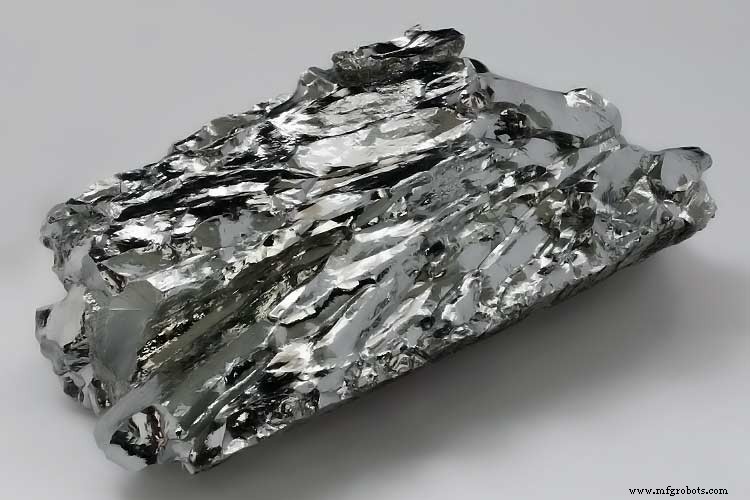
Molybdenum is a transition metal prized for its high melting point, density (10.23 g/cm³), excellent thermal conductivity, low thermal expansion, and low electrical resistivity. These attributes make it indispensable in the steel, mold, and automotive industries, as well as in high‑temperature components. TZM alloy, a molybdenum‑based high‑temperature alloy, adds a touch of titanium, zirconium, and carbon to enhance performance. But how does TZM stack up against pure molybdenum?
TZM Alloy vs Pure Molybdenum
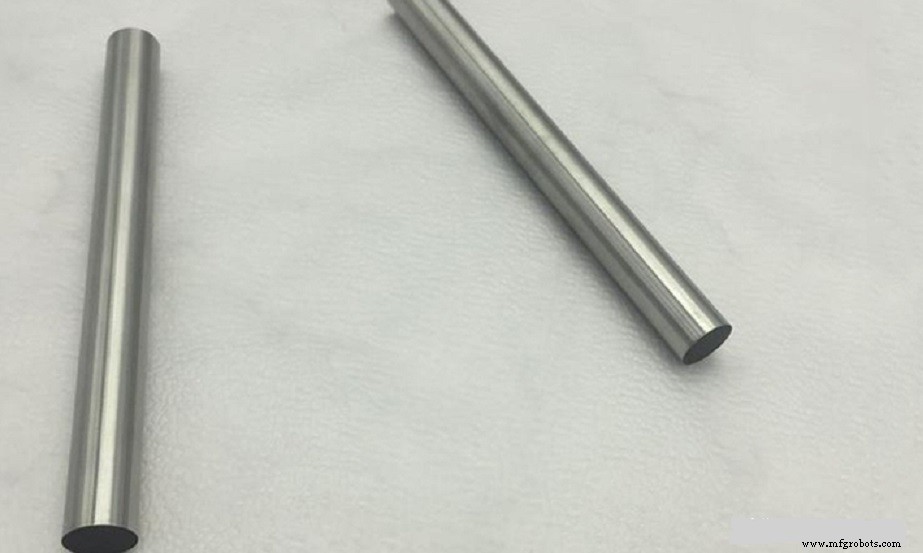
TZM alloy (molybdenum‑zirconium‑titanium) contains 0.50 % titanium, 0.08 % zirconium, and 0.02 % carbon. It is typically produced by arc‑melting followed by casting or by powder metallurgy, resulting in a fine‑grained microstructure that resists grain growth at elevated temperatures.
Pure molybdenum is reserved for applications demanding the highest purity, such as aerospace components and advanced electronics. However, its low recrystallization temperature, brittleness, and limited strength constrain its use in demanding environments.
Key physical data:
- Density: TZM 10.22 g/cm³ vs pure Mo 10.29 g/cm³
- Melting point: TZM 2,617 °C vs pure Mo 2,610 °C
- Boiling point: TZM 4,612 °C vs pure Mo 5,560 °C
Because the titanium and zirconium form finely dispersed particles, TZM’s recrystallization temperature rises by about 500 °C compared with pure molybdenum, and its final recrystallization temperature increases by roughly 450 °C. This microstructural stabilization translates into superior mechanical strength at both room temperature and high temperature.
Typical Applications
• TZM alloy – rocket nozzles, radiation shields, electron‑tube cathodes, and gas‑valve bodies for torpedo engines.
• Pure molybdenum wire – high‑temperature electric furnaces, EDM, and precision wire cutting.
• Pure molybdenum sheet – radio equipment, X‑ray tubes.
• Molybdenum crucibles – gun chambers and rocket nozzle manufacturing.
Conclusion
Understanding the distinct advantages of TZM alloy over pure molybdenum is essential for engineers designing high‑performance, high‑temperature components. For deeper insights into molybdenum and its alloys, we recommend consulting resources from ASM International or visiting Advanced Refractory Metals (ARM).
ARM, headquartered in Lake Forest, California, is a global leader in supplying high‑quality refractory metals and alloys—including molybdenum, tantalum, rhenium, tungsten, titanium, and zirconium—at competitive prices.
Metal
- Titanium‑Zirconium‑Molybdenum (TZM) Alloy: The Superior Choice for Hot Runner Nozzles
- TZM Alloy: The Key Material for High-Performance Rocket Nozzles
- Tungsten‑Copper vs. Molybdenum‑Copper Alloys: Key Differences & Applications
- Molybdenum–Copper Alloys: Key Properties and Cutting‑Edge Applications
- Molybdenum‑Rhenium Alloys: High‑Temperature Performance for Aerospace, Nuclear, and Electronics
- Tungsten‑Molybdenum‑Iron Alloys: Enhancing Steel Strength and Production Efficiency
- TZM Alloy: Properties, Applications & Advanced Manufacturing Techniques
- Molybdenum Alloys: Composition, History, and Industrial Applications
- High-Performance TZM Pickled Sheet – Titanium‑Zirconium‑Molybdenum Alloy
- Pure Molybdenum (Mo): High-Performance Material for Advanced Industries