



Molybdenum–Copper Alloys: Key Properties and Cutting‑Edge Applications
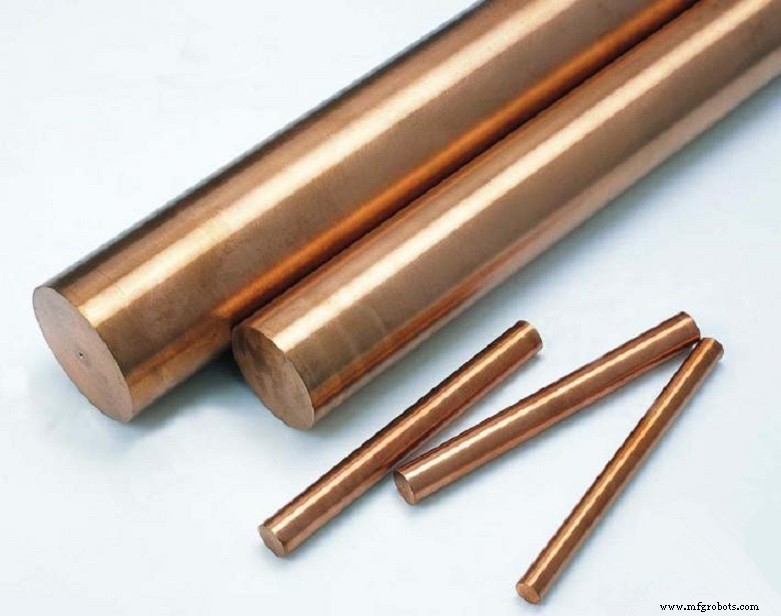
Molybdenum–Copper Alloys: Key Properties and Cutting‑Edge Applications
Molybdenum–copper alloys combine the outstanding electrical and thermal conductivity of copper with the high‑temperature resilience and low thermal expansion of molybdenum. These alloys are now essential in high‑performance electronics, aerospace, and vacuum technology.
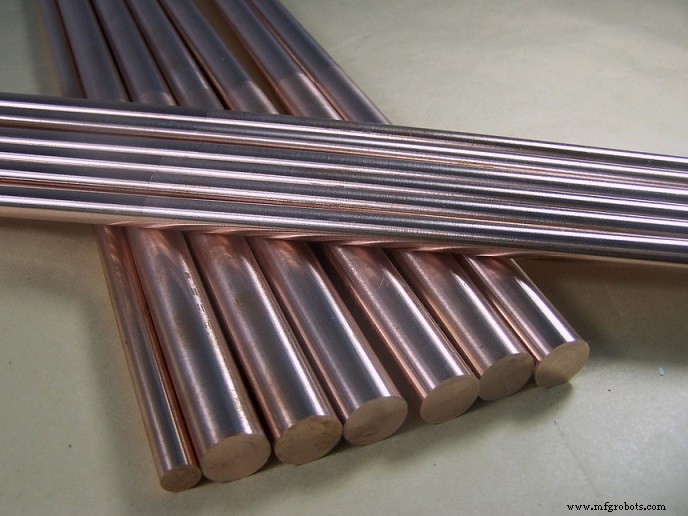
Molybdenum Copper Alloy
Core Properties of Molybdenum–Copper Alloys
1. Superior Electrical and Thermal Conductivity
These alloys rival pure copper, delivering electrical conductivity up to 95 % of copper’s value while maintaining excellent thermal transfer—critical for heat‑sensitive electronic components.
2. Low Coefficient of Thermal Expansion
By blending copper’s high expansion (~17 × 10⁻⁶ /°C) with molybdenum’s minimal expansion (~2.5 × 10⁻⁶ /°C), the resulting alloy achieves a stable coefficient around 3–4 × 10⁻⁶ /°C, reducing thermal stress in precision assemblies.
3. Exceptional High‑Temperature Performance
With a melting point of 2,610 °C, the alloy remains robust well above copper’s 1,083 °C. When temperatures exceed copper’s melting point, the alloy’s copper phase melts and vaporizes, absorbing heat and acting as a self‑cooling element—ideal for arc‑forming contacts.
4. Non‑Magnetic Nature
Both constituent metals are non‑ferromagnetic, making the alloy suitable for sensitive magnetic or cryogenic environments where magnetic interference must be avoided.
5. Ultra‑Low Outgassing for Vacuum Applications
Molybdenum and copper oxides reduce readily, and the alloy contains minimal nitrogen, hydrogen, and carbon impurities. This translates into exceptionally low outgassing rates, a key advantage in ultra‑high‑vacuum systems.
6. Excellent Machinability
While pure molybdenum is notoriously hard and brittle, the addition of copper softens the matrix, enabling machining of complex geometries with standard tooling and reducing production costs.
Practical Applications
These properties open a wide range of high‑tech uses:
- Vacuum contacts and electrodes for high‑power electronics.
- Heat‑dissipation plates in microwave devices and integrated circuits.
- Precision components requiring non‑magnetic, stable thermal expansion.
- High‑temperature structural parts in rockets, missiles, and advanced firearms.
- Solid dynamic seals, sliding‑friction reinforcements, and water‑cooled electrode tips.
Conclusion
Understanding the unique blend of conductivity, stability, and resilience that molybdenum–copper alloys provide is essential for engineers seeking reliable performance in demanding environments. For deeper insights into molybdenum and related refractory metals, visit Advanced Refractory Metals (ARM), a global leader in high‑quality refractory solutions.
Metal
- Tungsten–Copper Alloys: Key Properties, Manufacturing, and Applications
- Tungsten–Nickel–Iron Alloys: Properties, Applications, and Processing
- Tungsten‑Copper vs. Molybdenum‑Copper Alloys: Key Differences & Applications
- Tungsten–Nickel–Copper Alloys: Key Properties & Industry Applications
- TZM Alloy: Properties, Applications & Advanced Manufacturing Techniques
- Aluminium Alloys Explained: Composition, Properties, and Key Applications
- Copper–Nickel Alloys: Superior Corrosion Resistance & Versatile Uses
- NIBRON® 2.1504 Copper‑Nickel Alloy: Ultra‑Strong & Corrosion‑Resistant
- TROJAN CuNi3Si Alloy: Ultra-Strong, High-Conductivity Copper‑Nickel‑Silicon Solution
- VDM® Alloy 40 B – Premium, Cost‑Effective Heating Element Alloy