



TZM Alloy: Properties, Applications & Advanced Manufacturing Techniques
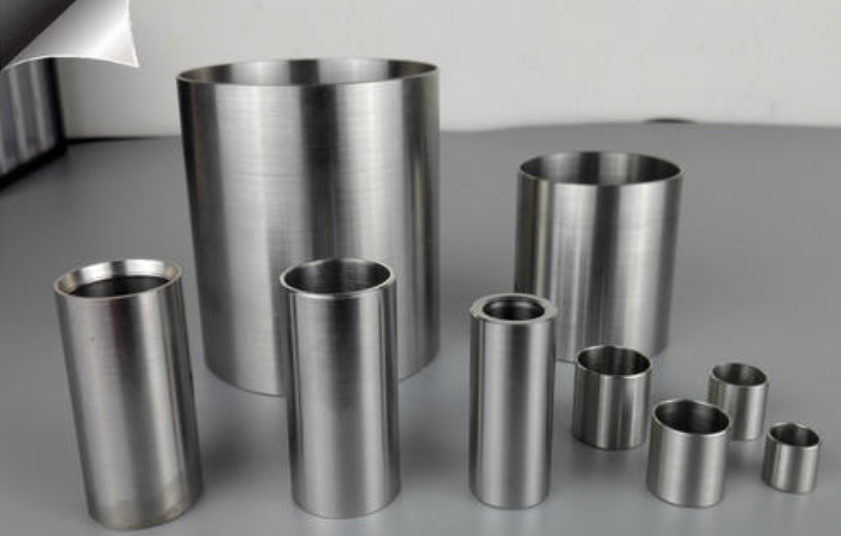
TZM Alloy: Properties, Applications & Advanced Manufacturing Techniques
The Titanium–Zirconium–Molybdenum (TZM) alloy is a benchmark high‑temperature material, prized for its remarkable combination of a high melting point (~1860 °C), excellent strength, low thermal expansion, and superior corrosion resistance. These attributes make TZM indispensable in aerospace, defense, nuclear, and high‑temperature processing sectors.
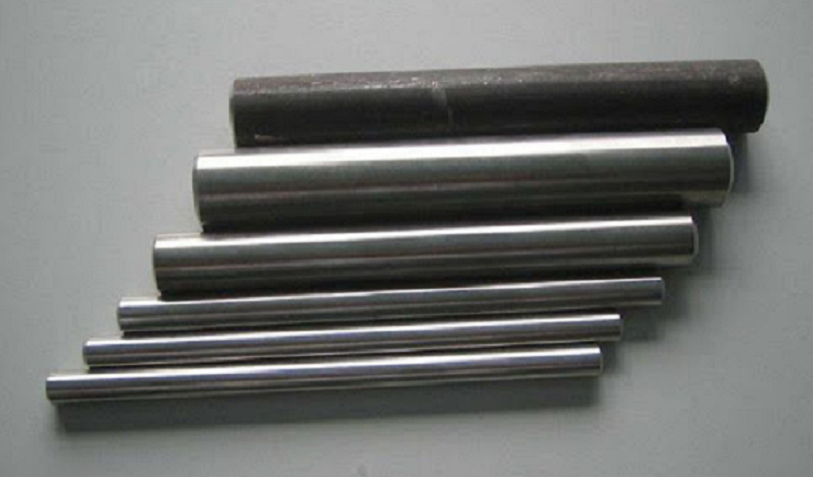
TZM Alloy Applications & Properties
Key Properties and Strategic Uses
- Mechanical performance at extreme temperatures: Yield strength > 1700 MPa at 800 °C, retaining 30 % of room‑temperature strength at 1200 °C.
- Thermal stability: Coefficient of thermal expansion < 5 × 10⁻⁶ /°C, ensuring dimensional stability in rapid temperature cycles.
- Corrosion and oxidation resistance: Excellent in molten metals, supercritical CO₂, and high‑temperature steam environments.
These traits drive applications such as:
- Rocket engine nozzles and nozzle throat liners.
- High‑temperature turbine blades and gas‑pipeline components.
- Stainless‑steel molds for die‑casting ferrous and non‑ferrous alloys.
- Electrical and electronic parts—cathode grids, high‑voltage rectifiers, and semiconductor package substrates.
- Radiation shielding, heat exchangers, and support structures in nuclear reactors.
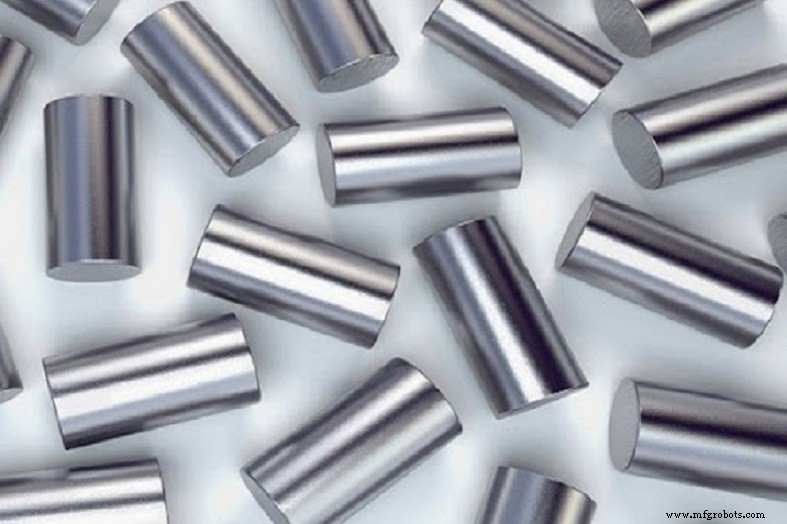
TZM Alloy Applications
Manufacturing Methods: Arc Melting vs. Powder Metallurgy
Arc Melting & Casting – Pure molybdenum is melted in an arc furnace, alloyed with Ti and Zr, and cast into billets. The process delivers near‑full density but requires large, energy‑intensive equipment.
Powder Metallurgy (PM) – High‑purity Mo, TiH₂, ZrH₂, and graphite powders are blended, cold‑isostatically pressed, and sintered in a protective atmosphere. PM reduces tooling costs, shortens cycle times, and yields high‑quality, defect‑free components.
Post‑processing typically includes high‑temperature forging or rolling, annealing, and warm finishing to refine grain structure and relieve residual stresses.
Conclusion
TZM alloy’s unique blend of high‑temperature strength, low thermal expansion, and chemical resilience secures its role in cutting‑edge aerospace, defense, and energy applications. For deeper insights into TZM and other refractory metals, visit Advanced Refractory Metals (ARM), a global leader in supplying high‑quality molybdenum, titanium, zirconium, and related alloys.
Metal
- TZM Alloy vs Pure Molybdenum: Performance, Properties, and Applications
- Tungsten–Copper Alloys: Key Properties, Manufacturing, and Applications
- Tungsten–Nickel–Iron Alloys: Properties, Applications, and Processing
- Molybdenum–Copper Alloys: Key Properties and Cutting‑Edge Applications
- How Tantalum Powder is Produced: Grades, Properties, and Manufacturing Techniques
- Tungsten–Nickel–Copper Alloys: Key Properties & Industry Applications
- Zirconium Dioxide (Zirconia): Key Properties & Industrial Applications
- Aluminium Alloys Explained: Composition, Properties, and Key Applications
- Copper–Nickel Alloys: Superior Corrosion Resistance & Versatile Uses
- VDM® Alloy 40 B – Premium, Cost‑Effective Heating Element Alloy