



How Tantalum Powder is Produced: Grades, Properties, and Manufacturing Techniques
Tantalum Powder Production: An Overview
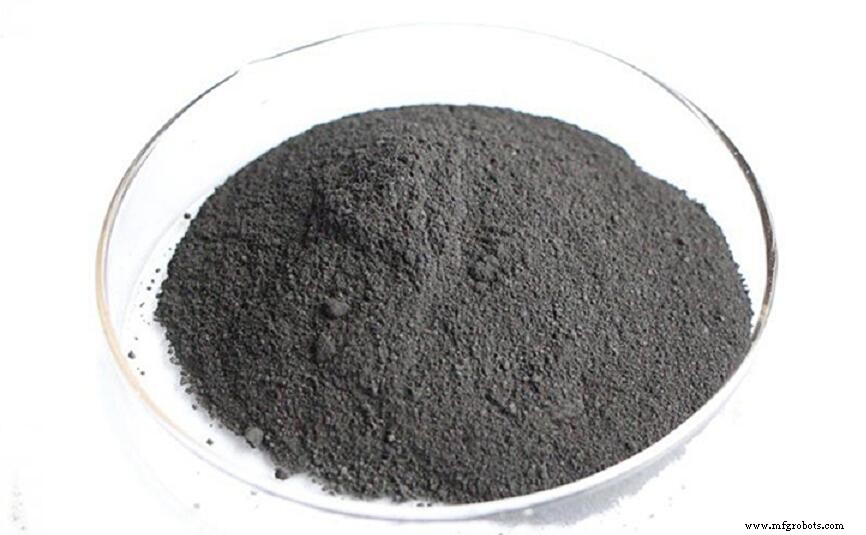
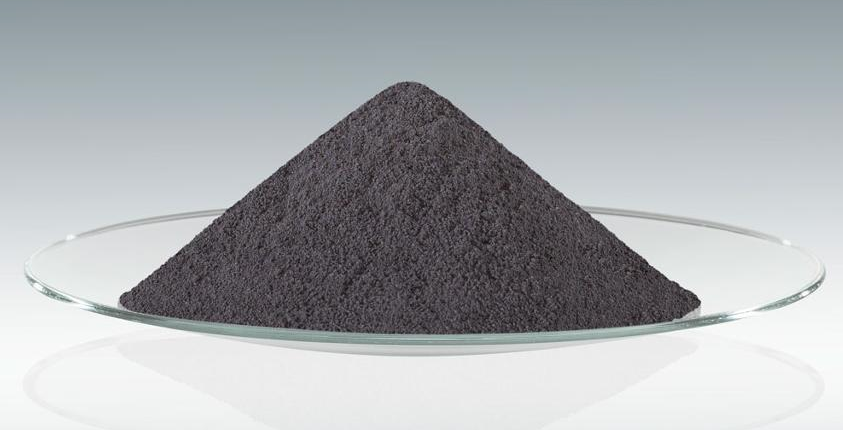
Tantalum powder—dark‑gray or silver‑gray—serves as a critical raw material for capacitors and various high‑performance alloys. This article delves into the two primary categories of tantalum powder, their key characteristics, and the industrial processes used to produce them.
Tantalum Powder Production Methods
Types of Tantalum Powder
Tantalum powder is typically divided into capacitor‑grade and metallurgical‑grade products, each tailored for specific applications.
Capacitor‑Grade Tantalum Powder
Capacitor‑grade powder is further segmented into low‑voltage (<25 V), medium‑voltage (32–40 V), and high‑voltage (≥50 V) series. Quality assessment focuses on physical, chemical, and electrical properties.
1. Physical Properties
- Average particle size, grain shape, fluidity, and forming density.
- Low‑voltage powders require finer particles, complex shapes, and lower density.
- High‑voltage powders feature larger particles, simpler shapes, and higher density.
- Fluidity is essential for automated forming machines, especially for mini‑chip capacitors.
2. Chemical Composition
Impurities such as phosphorus, boron, oxygen, carbon, potassium, sodium, and iron elevate leakage current and lower breakdown voltage. Trace additions of phosphate or aluminide can enhance specific capacitance and dielectric strength, respectively, as confirmed by industry trials.
3. Electrical Properties
DC leakage, breakdown voltage, and capacitance after compaction, vacuum sintering, and anodization are directly linked to the powder’s intrinsic oxide film quality and its physical and chemical makeup.
Metallurgical‑Grade Tantalum Powder
Used for alloy production and as an additive, metallurgical grade focuses on physical size and purity. Standards include a 150‑mesh pass, loose density of 3–6 g/cm³, and an oxygen content near 0.2 % to prevent composition loss during sintering. Content of high‑melting metals such as tungsten, molybdenum, and niobium must be strictly controlled.
Manufacturing Techniques
Key production routes include:
- Thermal reduction of tantalum pentoxide (Ta₂O₅)
- Carbon reduction
- Molten‑salt electrolysis
- Hydrogen reduction of tantalum halides
- Sodium reduction of potassium fluorotantalate (K₂TaF₇)
The sodium‑reduction method is currently dominant. The reaction proceeds as follows:
K₂TaF₇ + 5 Na → Ta + 2 KF + 5 NaF
In practice, K₂TaF₇ is blended with NaCl or KCl, heated to 300–800 °C under argon, and reduced with sodium. The product is washed to remove fluoride, iron, oxygen, and silicon, then dried to yield raw sodium‑reduced tantalum powder. Subsequent sieving, blending, and vacuum condensation produce capacitor‑grade or metallurgical‑grade powder.
Capacitor‑grade powder is typically pressed and vacuum‑sintered into a strip, then hydrogenated and ground. For high‑voltage series, the strip can be melted into an ingot via vacuum electron beam, followed by hydrogenation and grinding to achieve a simple grain shape.
Conclusion
Understanding the distinctions between capacitor‑grade and metallurgical‑grade tantalum powders—and the meticulous production methods—enables engineers to select the optimal material for their applications. For deeper insights into tantalum and other refractory metals, visit Advanced Refractory Metals (ARM), a global leader in high‑quality refractory metals and alloys.
Metal
- Spherical Tungsten Powder Production Techniques: Methods, Advantages, and Industry Applications
- Tantalum Products Explained: Powder, Wire, Capacitors & Their High-Tech Applications
- Submicron Tungsten Powder – Enhanced Performance & Applications
- Professional Guide to Producing High‑Purity Rhenium Powder
- Tantalum Powder: Types, Properties, and Industrial Applications
- TZM Alloy: Properties, Applications & Advanced Manufacturing Techniques
- Tungsten Powder: Applications, Production Methods, and Industry Insights
- Medical Tantalum Powders: 99%+ Purity, 2–3 µm D50, Superior Sintering for Bone Implants
- How Metal Powders Are Made: A Comprehensive Guide to Preparation Methods
- 11 Proven Metal Casting Techniques for Precision Manufacturing