



Tungsten Powder: Applications, Production Methods, and Industry Insights
Tungsten Powder: Applications, Production Methods, and Industry Insights
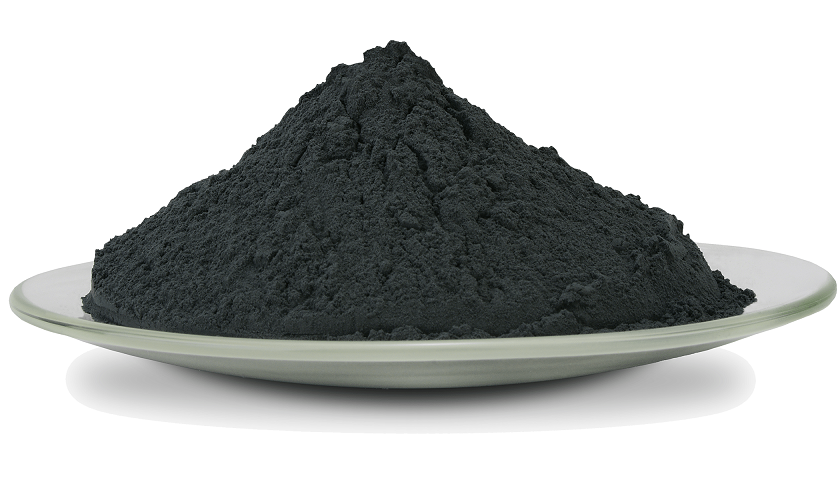
Tungsten powder is the finely ground form of the metal tungsten, essential for creating powder‑metallurgy components and high‑performance alloys. This article examines the principal industrial uses of tungsten powder and the two most common production methods.
Key Industrial Uses of Tungsten Powder
- Welding to Tungsten Carbide Powder: Tungsten powder reacts with carbon to produce tungsten carbide, a hard‑metal used in cutting tools, drill bits, and molds for machining challenging materials such as titanium alloys and nickel‑based superalloys.
- Direct Fabrication of Pure Tungsten Products: Pure tungsten powder can be sintered or forged into wires, rods, tubes, plates, and other shapes for use in electrical contacts, heating elements, and radiation shielding.
- Alloy Development: When blended with other metal powders—such as molybdenum, rhenium, copper, or zinc—tungsten powder yields high‑density alloys with tailored mechanical and thermal properties for aerospace, nuclear, and high‑temperature applications.
- Thermal Spray Coatings: In gas‑spray or plasma‑spray processes, tungsten powder is combined with a self‑fusible alloy that melts first, bonding the tungsten to a substrate and creating corrosion‑resistant, wear‑protective coatings.
- Porous Filter Media: Sintered tungsten powder can be fabricated into filters with controlled porosity, suitable for gas purification, catalyst support, and high‑temperature filtration systems.
Primary Production Methods
1. Hydrogen Reduction of Tungsten Oxides
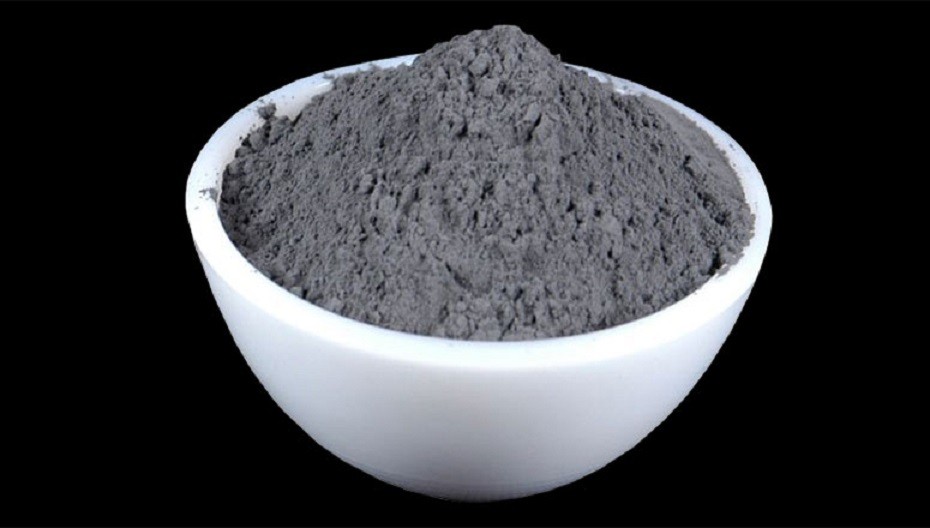
This two‑stage process begins with tungsten trioxide (WO₃) or ammonium paratungstate. In the first stage (500–700 °C), WO₃ is reduced to tungsten dioxide (WO₂). The second stage (700–900 °C) further reduces WO₂ to elemental tungsten powder. The reaction is typically conducted in a tube‑type or rotary electric furnace under a controlled hydrogen atmosphere.
2. Carbon Reduction of Tungsten Oxide
In this method, tungsten oxide is reduced by carbon at temperatures above 1,050 °C. While it produces tungsten powder more rapidly, the resulting product has lower purity due to carbon contamination. Research is underway to explore alternative reductants such as aluminum, calcium, and zinc for higher‑grade powders.
Conclusion
Understanding the applications and production routes of tungsten powder is essential for engineers and manufacturers working with high‑performance materials. For deeper insights into tungsten and other refractory metals, visit Advanced Refractory Metals (ARM), a leading global supplier headquartered in Lake Forest, California.
ARM offers a comprehensive range of refractory metals—including tungsten, molybdenum, tantalum, rhenium, titanium, and zirconium—at competitive prices, supporting innovation across aerospace, defense, energy, and industrial sectors.
Metal
- W‑Ag Alloy: Key Properties and Industrial Applications
- Tungsten Alloy Wafers: Applications, Benefits, and Industrial Uses
- Tungsten‑Nickel‑Iron Alloys: Key Applications in Modern Industry
- Spherical Tungsten Powder Production Techniques: Methods, Advantages, and Industry Applications
- Tungsten Flux: Key Properties & Industrial Applications
- Properties and Applications of Tungsten Alloy Counterweights
- Tungsten Diselenide (WSe₂): Structure, Properties, and Key Applications
- Submicron Tungsten Powder – Enhanced Performance & Applications
- How Tantalum Powder is Produced: Grades, Properties, and Manufacturing Techniques
- Tungsten Carbide: Properties, Applications, and Industrial Impact