



Tungsten Carbide: Properties, Applications, and Industrial Impact
Tungsten Carbide: Properties, Applications, and Industrial Impact
Tungsten carbide (WC) is a robust compound composed of tungsten and carbon, boasting a molecular formula of WC and a molecular weight of 195.85. Renowned for its superior mechanical and chemical attributes, it plays a pivotal role across a wide array of industrial sectors and everyday products.
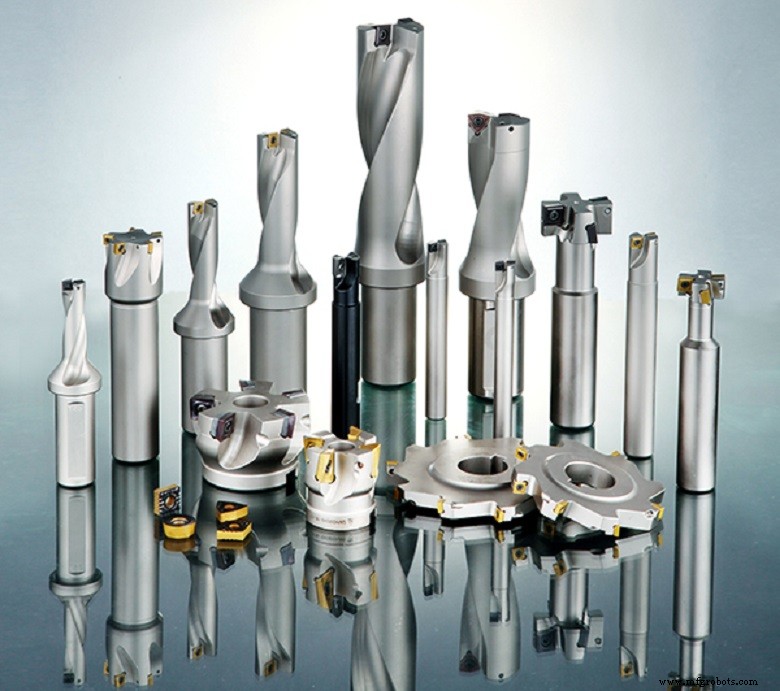
Physical Properties
Tungsten carbide exhibits exceptional hardness—microhardness of 17,300 MPa—and a high elastic modulus of 710 GPa. Its compressive strength reaches 56 MPa, while the coefficient of thermal expansion stands at 6.9 × 10⁻⁶ /K. The material crystallizes in a black hexagonal lattice, displaying a metallic luster and a hardness comparable to diamond. It is an excellent conductor of both electricity and heat. Pure WC, however, is inherently brittle; the addition of trace amounts of titanium, cobalt, or other metals mitigates this brittleness, enhancing toughness without sacrificing hardness.
Chemical Properties
Wolframite carbide is chemically inert in water, hydrochloric acid, and sulfuric acid. It dissolves readily in a mixture of nitric and hydrofluoric acids. Although it exhibits modest resistance to oxidation, it becomes susceptible to oxidation when exposed to air above 500 °C. The material remains unreactive with chlorine below 400 °C, but it reacts violently with fluorine at room temperature, producing tungsten oxide upon heating in air.
Industrial Applications
Tungsten carbide’s hardness and thermal stability make it indispensable for high‑speed cutting tools, precision turning tools, and wear‑resistant components. It is also employed in kiln furnaces, jet engine parts, cermet materials, and resistance heating elements. Beyond tooling, WC is integral to manufacturing cutting instruments, wear‑resistant metal parts, smelting crucibles for copper, cobalt, bismuth, and as a coating for semiconductor films.
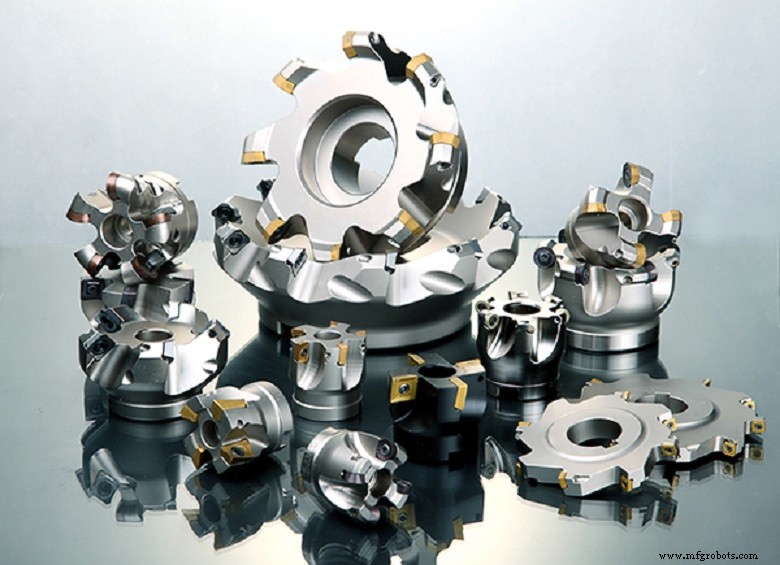
Applications of tungsten carbide
WC also serves as a super‑hard tool material and is frequently blended into cemented carbides, such as WC‑TiC‑Co, for enhanced performance. In ternary systems like NbC‑C and TaC‑C, WC acts as a modifying additive, lowering sintering temperatures while preserving superior mechanical properties, making it suitable for aerospace components.
WC powder can be synthesized by reacting tungsten trioxide (WO₃) with graphite under a reducing atmosphere at temperatures between 1,400 °C and 1,600 °C. Subsequent hot‑pressing or hot‑isostatic pressing yields dense ceramic products suitable for high‑performance applications.
Historical Development
The journey of tungsten carbide began in 1893 when German scientists successfully heated tungsten trioxide with carbon in an electric furnace, creating the first WC. They sought to harness its high melting point and exceptional hardness to replace diamond in wire‑drawing dies, yet the material’s brittleness limited industrial uptake.
In the 1920s, Karl Schroter discovered that incorporating low‑melting‑point metals into WC markedly improved toughness without compromising hardness. In 1923, he pioneered powder metallurgy: blending WC with a small amount of iron‑group metals (iron, nickel, cobalt), compressing the mix, and sintering in hydrogen at temperatures above 1,300 °C to produce durable, high‑hardness alloys.
Conclusion
Wolframite carbide’s unique combination of hardness, thermal resistance, and chemical stability underpins its extensive use in machining, aerospace, and high‑temperature environments. For deeper insights into tungsten and other refractory metals, visit Advanced Refractory Metals (ARM), a leading global supplier headquartered in Lake Forest, California.
ARM supplies high‑quality refractory metals—including tungsten, molybdenum, tantalum, rhenium, titanium, and zirconium—at competitive prices.
Metal
- W‑Ag Alloy: Key Properties and Industrial Applications
- Tungsten Alloy Wafers: Applications, Benefits, and Industrial Uses
- Tungsten‑Nickel‑Iron Alloys: Key Applications in Modern Industry
- Tungsten Flux: Key Properties & Industrial Applications
- Properties and Applications of Tungsten Alloy Counterweights
- Tungsten Diselenide (WSe₂): Structure, Properties, and Key Applications
- Tungsten Alloy Balls: Properties, Production, and Key Applications
- Physical and Chemical Properties of Tungsten – Key Insights for Industry
- Iridium: Key Uses, Properties, and Industrial Applications
- Tungsten Powder: Applications, Production Methods, and Industry Insights