



W‑Ag Alloy: Key Properties and Industrial Applications
W‑Ag Alloy: Key Properties and Industrial Applications
W‑Ag alloys combine tungsten and silver, typically containing 30 % to 70 % silver by weight. This composition yields a material that is exceptionally hard, exhibits excellent weldability, and resists arc erosion, adhesion, and fusion welding. These attributes make it indispensable in high‑current electrical devices such as circuit breakers, contact points, and heavy‑duty relays.
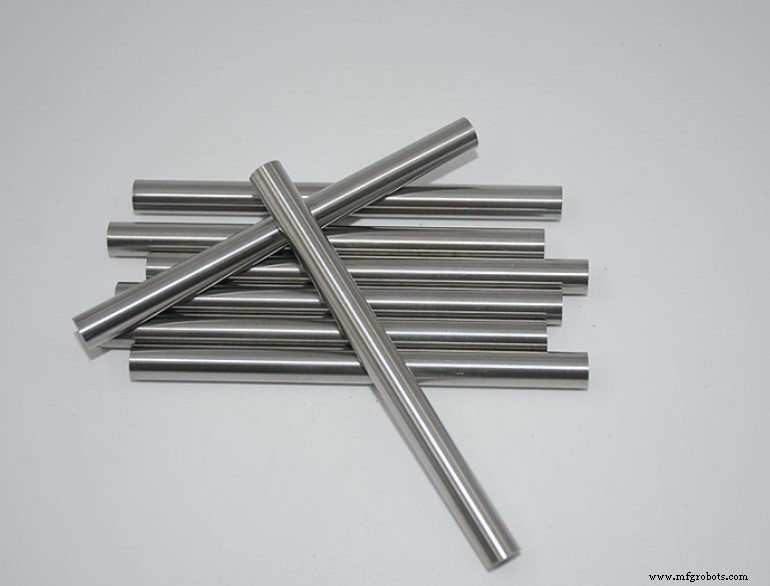
To further enhance wettability and lower contact resistance, alloying elements such as cobalt, nickel, copper, and molybdenum are often introduced. Higher silver content improves electrical conductivity, while a higher tungsten proportion enhances corrosion resistance and mechanical strength. In low‑voltage circuit breaker contacts where burnout risk is significant, a higher tungsten fraction is preferred, providing stable current handling and resistance to arc erosion.
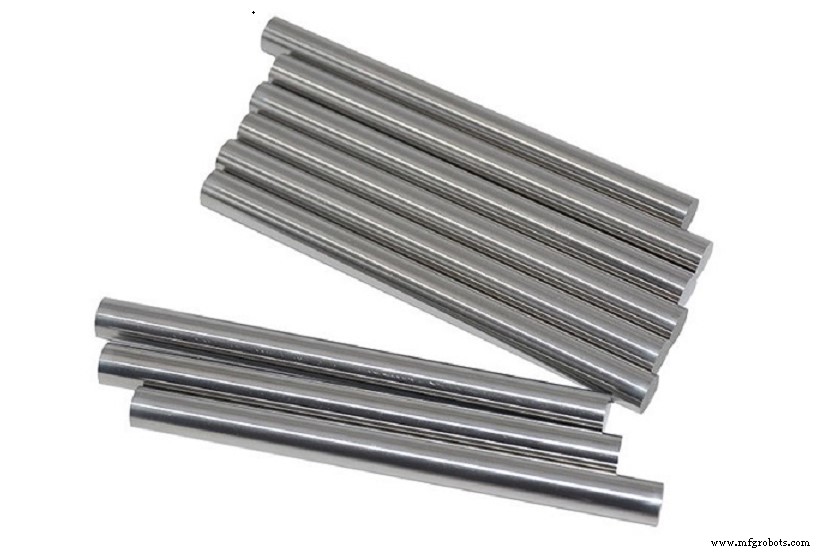
W‑Ag alloys are also a cornerstone in high‑temperature applications, high‑voltage switch contacts, electrical machining electrodes, and microelectronic components. Their reliability under extreme conditions has made them a standard choice across aerospace, aviation, electronics, power systems, metallurgy, and machinery industries.
Because tungsten melts at 3422 °C and silver at 961 °C, conventional melting processes cannot fuse the two metals. The alloy is therefore produced via powder metallurgy, which allows for precise control of composition and ensures uniform microstructure even at tungsten concentrations above 60 %.
Conclusion
We hope this overview has clarified the essential characteristics and versatile applications of W‑Ag alloys. For deeper insights into tungsten alloys and other refractory metals, visit Advanced Refractory Metals (ARM), a leading manufacturer and supplier of high‑quality refractory materials worldwide.
Headquartered in Lake Forest, California, ARM offers a comprehensive portfolio of tungsten, molybdenum, tantalum, rhenium, titanium, and zirconium alloys at competitive prices.
Metal
- Tungsten Alloy Wafers: Applications, Benefits, and Industrial Uses
- Tungsten Flux: Key Properties & Industrial Applications
- Properties and Applications of Tungsten Alloy Counterweights
- Tungsten Diselenide (WSe₂): Structure, Properties, and Key Applications
- Tungsten Alloy Balls: Properties, Production, and Key Applications
- Tungsten–Copper Alloys: Key Properties, Manufacturing, and Applications
- Tungsten–Nickel–Iron Alloys: Properties, Applications, and Processing
- Medical Tungsten Alloy Shields: Key Properties & Clinical Applications
- Unexpected Applications of Copper‑Tungsten Alloy
- Aluminum 6061: Exceptional Corrosion Resistance & Versatile Applications