



Tungsten Alloy Balls: Properties, Production, and Key Applications
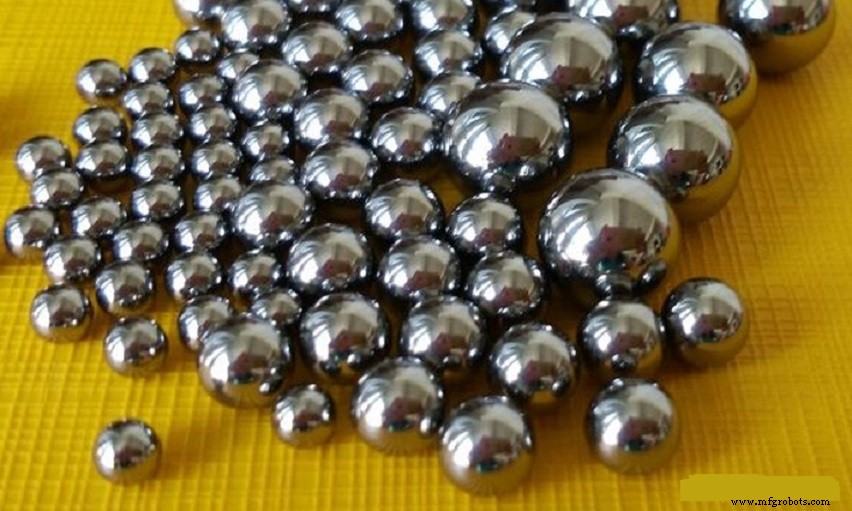
Tungsten Alloy Balls: Properties, Production, and Key Applications
Tungsten alloy balls—spherical components made from a high‑purity tungsten core (85–99%) alloyed with small amounts of nickel, copper, iron, cobalt, molybdenum, chromium, and other metals—are prized for their exceptional density, strength, and stability. With a specific gravity that rivals gold (up to 19.3 g/cm³) and twice that of lead, these balls provide precise weight control while remaining non‑toxic and environmentally friendly. Their combination of wear resistance, excellent machinability, and minimal thermal expansion makes them indispensable across defense, aerospace, medical, electronics, and industrial sectors.
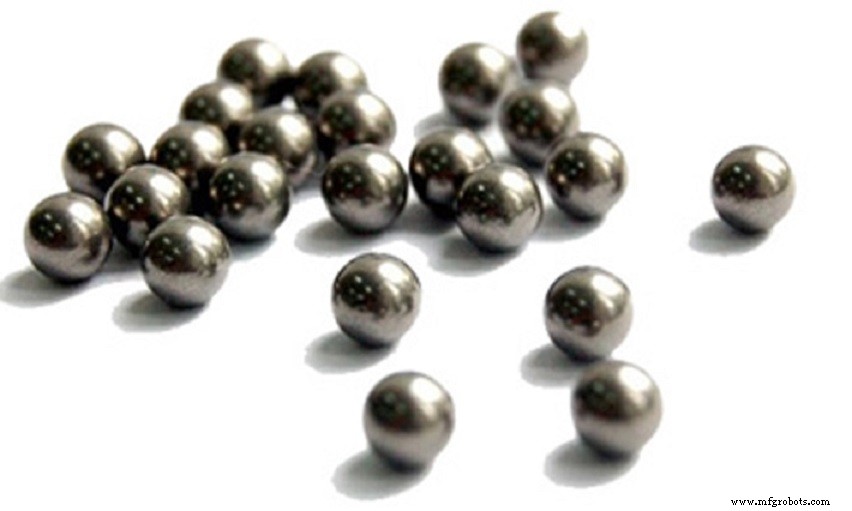
Properties and Uses of Tungsten Alloy Balls
Key Properties of Tungsten Alloy Balls
- High Specific Gravity: Density up to 19.3 g/cm³—ideal for precise weight classification.
- Eco‑Friendly: Non‑toxic and free of lead‑related pollution, making them safe counterweights.
- Superior Wear Resistance: Maintains shape and surface integrity even after prolonged use.
- Excellent Machinability: Easier to machine than many other alloys, reducing processing costs.
- Low Thermal Expansion: Stable volume across temperature fluctuations.
- Additional Advantages: High melting point, robust corrosion resistance, impact toughness, high elastic modulus, and outstanding radiation shielding.
Manufacturing Process
- Blend tungsten and nickel powders with a binder.
- Form the mixture into spherical shapes.
- Sinter under controlled pressure to create a rough ball.
- Polish to a smooth surface.
- Apply hard‑ground finishing for final product quality.
Applications
Tungsten alloy balls find critical roles in:
- Missile projectiles and armor‑piercing ammunition
- Shotgun shells and other small‑arms calibers
- Oil‑well logging tools
- Electronic devices such as mobile‑phone vibrators, clock mechanisms, and engine counterweights
- Flywheel counterweights and heavy‑machinery equipment
Conclusion
Understanding the unique properties of tungsten alloy balls enables engineers to select the right component for high‑performance applications. For deeper insights into tungsten alloys and other refractory materials, we recommend exploring resources from Advanced Refractory Metals (ARM), a global leader in high‑quality refractory metals including molybdenum, tantalum, rhenium, titanium, and zirconium.
Metal
- W‑Ag Alloy: Key Properties and Industrial Applications
- Tungsten Alloy Wafers: Applications, Benefits, and Industrial Uses
- Tungsten Flux: Key Properties & Industrial Applications
- Properties and Applications of Tungsten Alloy Counterweights
- Tungsten Diselenide (WSe₂): Structure, Properties, and Key Applications
- Tungsten–Copper Alloys: Key Properties, Manufacturing, and Applications
- Tungsten–Nickel–Iron Alloys: Properties, Applications, and Processing
- Medical Tungsten Alloy Shields: Key Properties & Clinical Applications
- Tungsten–Nickel–Copper Alloys: Key Properties & Industry Applications
- Tungsten Carbide: Properties, Applications, and Industrial Impact