



Tungsten–Copper Alloys: Key Properties, Manufacturing, and Applications
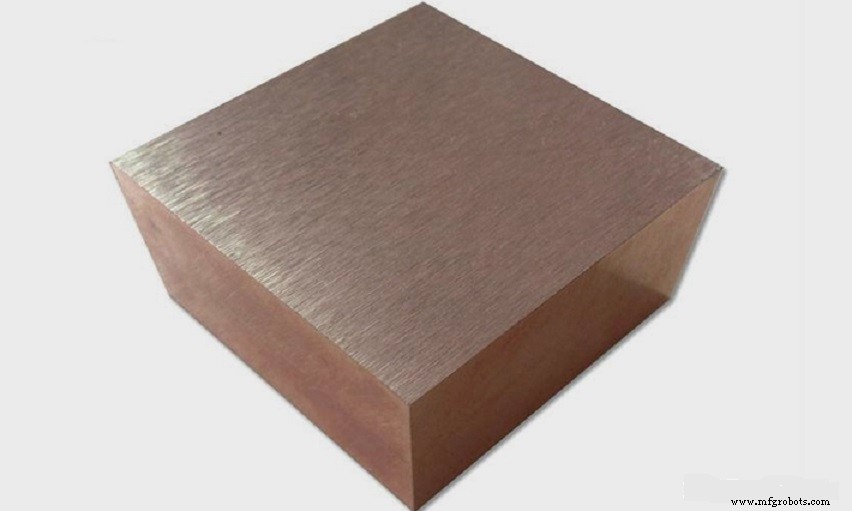
Tungsten–Copper Alloys: Key Properties, Manufacturing, and Applications
Tungsten–copper alloys combine the extraordinary high‑temperature resistance and density of tungsten with the excellent electrical and thermal conductivity of copper. Their unique balance of strength, thermal stability, and conductivity makes them indispensable in defense, aerospace, high‑performance electronics, and medical instrumentation. Because tungsten and copper are immiscible, these alloys are fabricated by powder metallurgy rather than conventional casting.
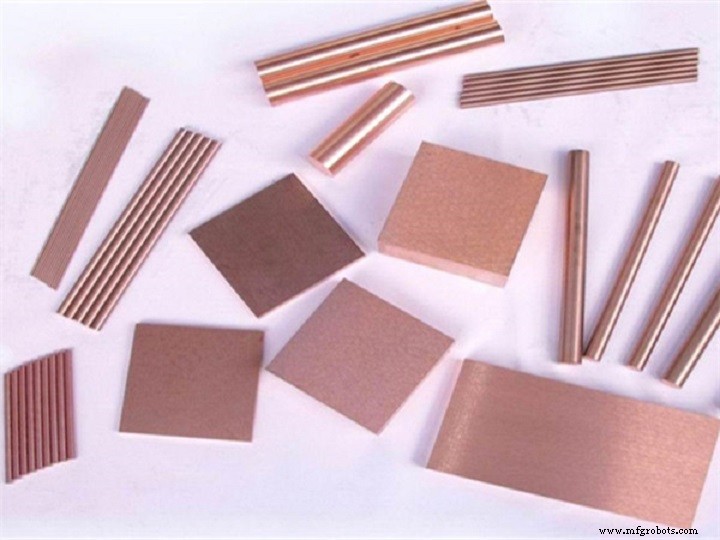
Properties and Applications of Tungsten Copper Alloy
Core Properties of Tungsten–Copper Alloys
• Low thermal expansion – minimizes dimensional changes under temperature swings.
• High wear and corrosion resistance – suitable for abrasive or chemically aggressive environments.
• Exceptional electrical and thermal conductivity – up to 90 % of pure copper, enabling efficient heat dissipation.
• High‑temperature stability – retains strength above 1,000 °C, essential for aerospace and high‑power electronics.
Manufacturing Process (Powder Metallurgy)
The production sequence is:
- Powder pulverization and blending of high‑purity tungsten and copper powders.
- Cold compaction into green compacts.
- Sintering and infiltration to achieve full density.
- Post‑sintering cold working for dimensional precision.
Applications
1. Tungsten–Copper Electrodes
These electrodes excel in arc‑welding and high‑power machining due to their resistance to arc erosion, high density, and ease of machining.
2. Tungsten–Copper Rods
Produced via static pressing and high‑temperature sintering, these rods offer superior arc‑break performance, high hardness, and no softening at elevated temperatures.
3. Tungsten–Copper Electronic Packaging Sheets
By adjusting the tungsten‑to‑copper ratio, manufacturers can tailor thermal expansion and conductivity to meet the stringent demands of modern electronics packaging.
4. Tungsten–Copper Tubes
These tubes are favored in cemented carbide tooling and refractory metal components. Their machinability and small inner diameters make them ideal for precision applications.
5. Tungsten–Copper Wire
When handling this wire, observe these precautions:
- Do not coat with colloidal graphite.
- Avoid contact with iron, nickel, or carbon at temperatures above 1,000 °C.
- Store in a dry environment; keep relative humidity below 65 % of room temperature, and avoid acids or bases.
6. Military High‑Temperature Components
In missiles and rocket engines, copper‑tungsten alloys serve as nozzles, gas and air rudders, and nose cones. They endure 3,000–5,000 K and resist airflow erosion, thanks in part to the copper vapor cooling effect at temperatures above 1,083 °C.
Conclusion
We hope this overview clarifies the strengths and uses of tungsten–copper alloys. For deeper technical insights and sourcing, visit Advanced Refractory Metals (ARM), a leading supplier of high‑quality refractory metals such as niobium, molybdenum, tantalum, rhenium, tungsten, titanium, and zirconium.
Metal
- Tungsten Silver vs. Tungsten Copper Alloys: Key Differences & Applications
- Tungsten Copper Alloy vs Tungsten Nickel‑Iron Alloy: A Technical Comparison
- Tungsten Flux: Key Properties & Industrial Applications
- Properties and Applications of Tungsten Alloy Counterweights
- Tungsten Alloy Balls: Properties, Production, and Key Applications
- Tungsten–Nickel–Iron Alloys: Properties, Applications, and Processing
- Tungsten‑Copper vs. Molybdenum‑Copper Alloys: Key Differences & Applications
- Molybdenum–Copper Alloys: Key Properties and Cutting‑Edge Applications
- Tungsten–Nickel–Copper Alloys: Key Properties & Industry Applications
- Copper–Nickel Alloys: Superior Corrosion Resistance & Versatile Uses