



Tungsten‑Copper Alloys: The High‑Performance Material for Microelectronics Packaging
Tungsten‑Copper Alloys: The High‑Performance Material for Microelectronics Packaging
Tungsten‑copper (W‑Cu) alloys fuse the superior high‑temperature stability of tungsten (melting point 3422 °C, density 19.25 g/cm³) with the excellent electrical and thermal conductivity of copper (melting point 1085 °C, density 8.96 g/cm³). This unique combination makes W‑Cu a cornerstone in microelectronic packaging, where reliable heat dissipation and dimensional stability are paramount.
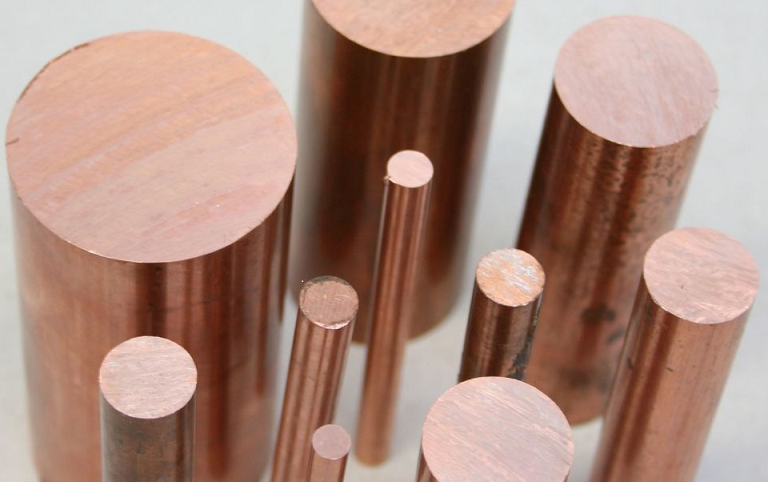
By tailoring the tungsten content, manufacturers can adjust the coefficient of thermal expansion (CTE) to match that of semiconductor die, reducing thermal stresses during operation. Surface finish—flatness and roughness—directly influences the bond quality between the package and the chip, affecting signal integrity and long‑term reliability.
Common Production Techniques
- Powder Metallurgy: Pulverization → blending → press molding → sintering infiltration → cold working. While versatile, it often yields lower density (<98 %) and residual porosity, limiting large‑scale production.
- Injection Molding: Nickel, tungsten‑copper, or iron powders are mixed with tungsten powder and an organic binder, injected, then binder‑removed and sintered in hydrogen. This process can produce high‑density components but requires stringent binder removal to avoid contamination.
- Copper Oxide Reduction: Copper oxide is chemically reduced to copper, forming a continuous matrix; tungsten provides the strengthening framework. The mixed powder is sintered in low‑temperature wet hydrogen, producing a dense alloy with balanced conductivity.
- Tungsten Frame Infiltration: A porous tungsten frame is first sintered, then molten copper infiltrates it. Ideal for low‑copper compositions, though the resulting density and conductivity can be lower than other methods.
Why W‑Cu Matters for Modern Electronics
In high‑frequency and high‑power devices, heat removal is critical. W‑Cu’s low thermal expansion mitigates mechanical stresses, while its conductivity ensures efficient heat transfer. These attributes translate into higher device reliability, lower failure rates, and the ability to pack more functionality into smaller footprints.
Learn More
For deeper insights into tungsten‑copper alloys and other refractory metals, visit Advanced Refractory Metals (ARM), a global leader in supplying high‑quality tungsten, molybdenum, tantalum, and more.

Tungsten‑Copper Alloy in Microelectronics Packaging
We hope this guide enhances your understanding of W‑Cu alloys. For further technical support or material sourcing, contact ARM’s expert team today.
Metal
- Tungsten Alloy: The Ultimate Forklift Counterweight Solution
- Tungsten‑Copper Alloy: The Engine Behind Rocket Throat Lining Performance
- Enhancing DC Motor Performance with Tungsten‑Copper Alloys
- Tungsten Copper Alloy vs Tungsten Nickel‑Iron Alloy: A Technical Comparison
- Tungsten Alloy Bullets: The Eco‑Friendly, High‑Performance Alternative to Lead
- Tungsten–Nickel–Copper Alloys: The Lead‑Free Solution for Advanced Medical X‑Ray Shielding
- Tungsten–Copper Alloys: Key Properties, Manufacturing, and Applications
- Tungsten‑Nickel‑Copper Alloy Shield: Advanced Lead‑Free Radiation Protection
- High‑Performance Tungsten‑Titanium Alloy Targets for Advanced Semiconductor Chips
- Tungsten‑Copper vs. Molybdenum‑Copper Alloys: Key Differences & Applications