



Tungsten‑Nickel‑Copper Alloy Shield: Advanced Lead‑Free Radiation Protection
Tungsten‑Nickel‑Copper Alloy Shield
The tungsten‑nickel‑copper (W‑Ni‑Cu) alloy shield is a cutting‑edge, lead‑free solution for medical radiation protection. Unlike the traditional tungsten‑nickel‑iron alloy, W‑Ni‑Cu is non‑magnetic, making it ideal for environments where magnetic interference must be avoided.
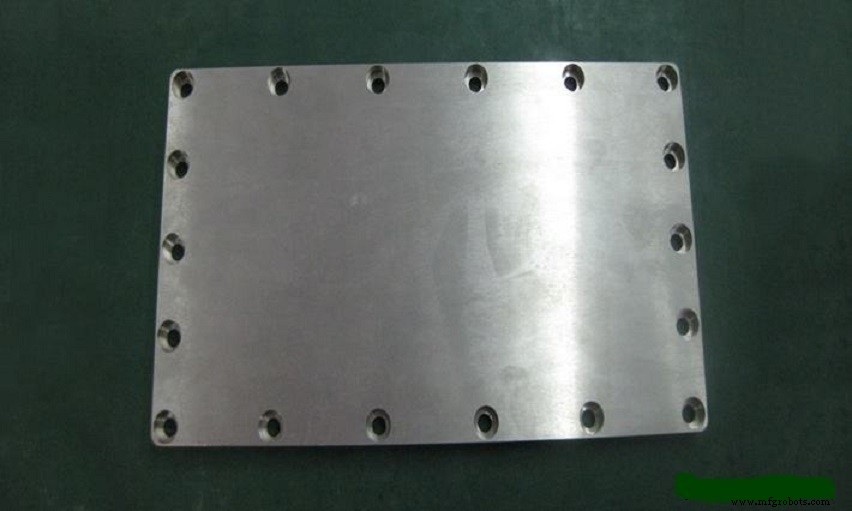
The alloy’s density of approximately 18.8 g/cm³ surpasses that of conventional lead, providing superior attenuation in a thinner profile. Research demonstrates that, at equal thickness, tungsten alloys deliver over 1.7× the shielding effectiveness of lead. As radiation levels increase, the performance gap widens, allowing for significantly reduced material thickness without compromising safety.

W‑Ni‑Cu’s combination of high radiation resistance, non‑toxic composition, and environmental friendliness makes it the preferred choice for both medical and industrial applications. Typical uses include:
- Collimators and radioisotope containers in nuclear research
- Shielding tanks, protective screens, and shielding plates for X‑ray equipment
- Syringe shields, shielding boxes, and medicine bottle covers
- Thin plates for CT detector assemblies and multi‑page gratings
Conclusion
We hope this overview has clarified the benefits of the tungsten‑nickel‑copper alloy shield. For further information on W‑Ni‑Cu or other refractory metal alloys, visit Advanced Refractory Metals (ARM).
ARM, headquartered in Lake Forest, California, is a global leader in manufacturing and supplying high‑quality refractory metals and alloys—including tungsten, niobium, molybdenum, tantalum, rhenium, titanium, and zirconium—at competitive prices.
Metal
- Tungsten‑Copper Alloy: The Engine Behind Rocket Throat Lining Performance
- Tungsten Copper Alloy vs Tungsten Nickel‑Iron Alloy: A Technical Comparison
- Tungsten‑Copper Alloys: The High‑Performance Material for Microelectronics Packaging
- Enhancing Tungsten‑Copper Alloy Performance: Proven Strategies and Processing Techniques
- Tungsten–Nickel–Iron Alloy Production: From Powder Blend to Final Sintering
- Tungsten–Nickel–Copper Alloys: The Lead‑Free Solution for Advanced Medical X‑Ray Shielding
- Tungsten–Copper Alloys: Key Properties, Manufacturing, and Applications
- Tungsten–Nickel–Iron Alloys: Properties, Applications, and Processing
- Tungsten‑Copper vs. Molybdenum‑Copper Alloys: Key Differences & Applications
- Tungsten–Nickel–Copper Alloys: Key Properties & Industry Applications