



Aluminum Alloy vs. Copper Cables: Which Is the Superior Choice?
Aluminum Alloy vs. Copper Cables: Which Is the Superior Choice?
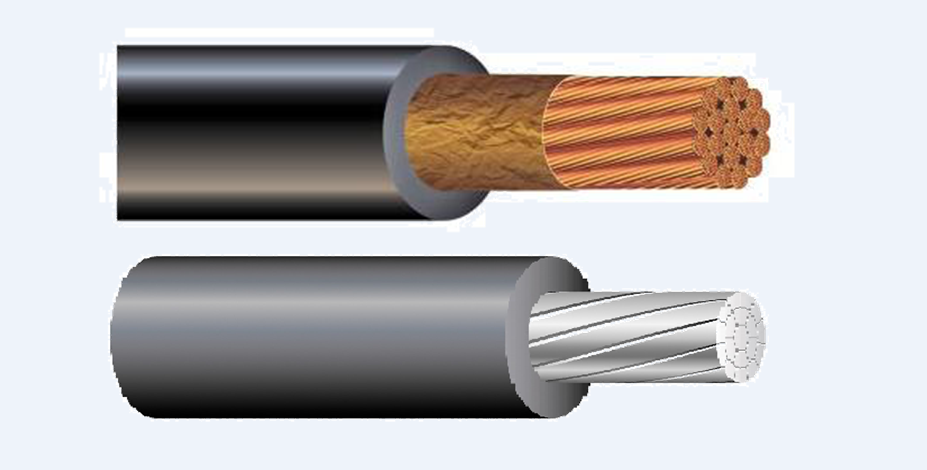
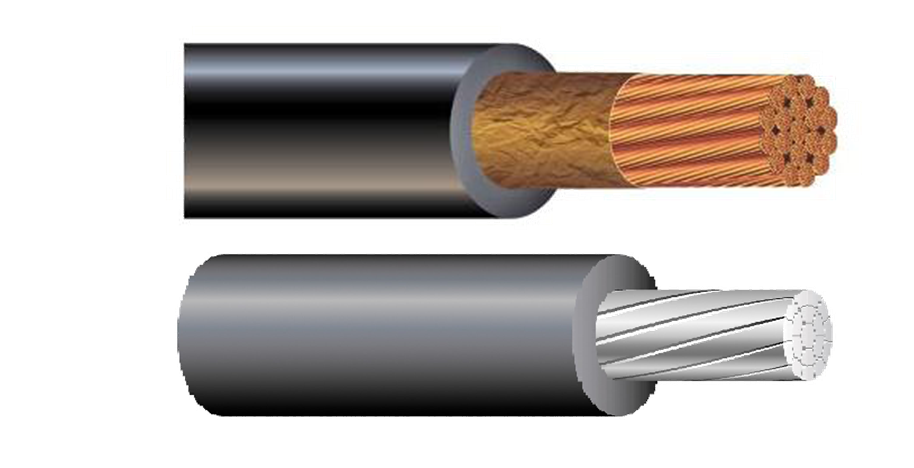
The aluminum alloy power cable, developed from the AA8030 series, uses advanced compaction and annealing techniques to create a high‑conductivity conductor that incorporates trace alloying elements to enhance performance. In contrast, copper cables rely on pure copper conductors that have long been the industry standard.
Aluminum Alloy Cable VS Copper Cable
Corrosion Resistance: Copper Leads the Pack
Aluminum alloy conductors suffer from limited corrosion resistance because the addition of elements such as magnesium, zinc, silicon, and copper introduces electrochemical gradients that can generate galvanic corrosion in environments containing electrolytes.
High‑Temperature Performance
The melting point of copper is 1080 °C, while that of aluminum is only 660 °C. In a fire scenario where temperatures can exceed 750 °C, copper remains solid and conductive, whereas aluminum or its alloys will melt, compromising the cable’s ability to supply power during emergencies.
Joint Reliability
Field data shows that 80 % of cable faults occur at the joint. Copper oxidation produces a conductive copper oxide layer that preserves low resistance, whereas aluminum or aluminum alloy oxidation yields a hard, insulating alumina that can cause contact resistance and overheating.
Space and Cost Implications
To match the current‑carrying capacity of copper, aluminum alloy cables require a cross‑section roughly 1.6 times larger. This necessitates larger conduit diameters, increases civil‑engineering costs, and consumes more underground space—critical factors in congested urban environments.
Bottom Line
For critical power delivery—especially where fire resistance, joint reliability, and space constraints matter—copper remains the preferred choice. Aluminum alloy cables may still be suitable for cost‑sensitive, non‑critical installations where the extra cross‑section can be accommodated.
For more detailed technical data and product offerings, visit https://www.samaterials.com, a company with over two decades of experience manufacturing and supplying aluminum alloy and copper cables.
Metal
- Tungsten Copper Alloy vs Tungsten Nickel‑Iron Alloy: A Technical Comparison
- Tungsten‑Nickel‑Copper Alloy Shield: Advanced Lead‑Free Radiation Protection
- Tungsten‑Copper vs. Molybdenum‑Copper Alloys: Key Differences & Applications
- Molybdenum–Copper Alloys: Key Properties and Cutting‑Edge Applications
- Titanium‑Aluminum Alloys: Advanced Preparation Techniques and Key Industrial Applications
- Your Comprehensive Guide to Copper Alloys: Types, Uses, and Benefits
- Top 3 Uses of Aluminum Bronze Alloy in Modern Manufacturing
- COLDUR-A® High Silicon Bronze: Superior Strength, Corrosion Resistance, and Easy Fabrication
- DTD498 Copper Alloy: High Strength, Ductility, and Excellent Conductivity
- COLSIBRO®: Premium Copper Nickel Silicon Alloy for Superior Strength & Corrosion Resistance