



Tungsten‑Copper vs. Molybdenum‑Copper Alloys: Key Differences & Applications
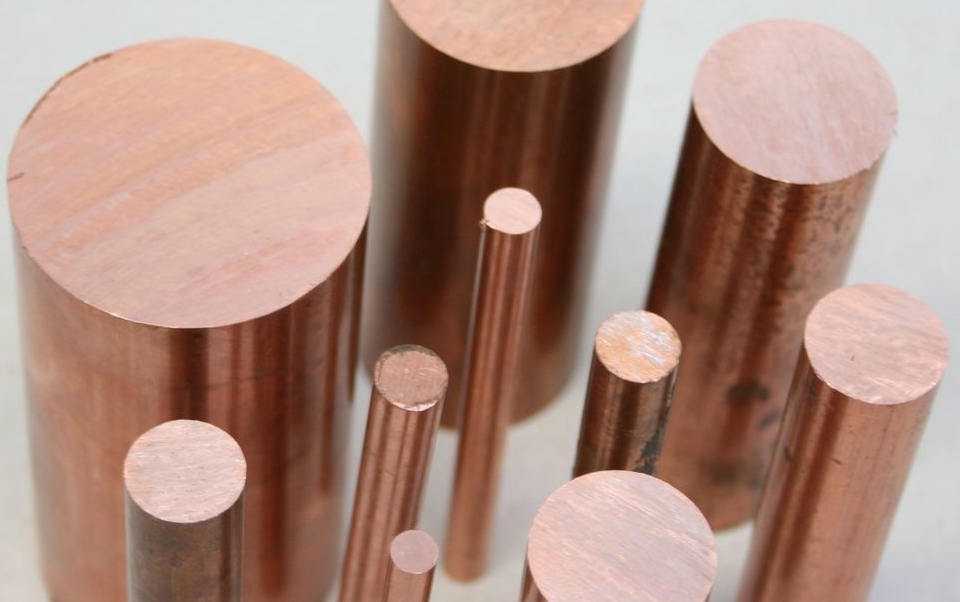
Tungsten‑Copper vs. Molybdenum‑Copper Alloys: Key Differences & Applications
Both tungsten‑copper and molybdenum‑copper alloys serve critical roles across aerospace, defense, electronics, and high‑performance machinery. While they can substitute each other in some contexts, their distinct compositions and properties dictate specialized applications. Below we compare the two alloys in detail.
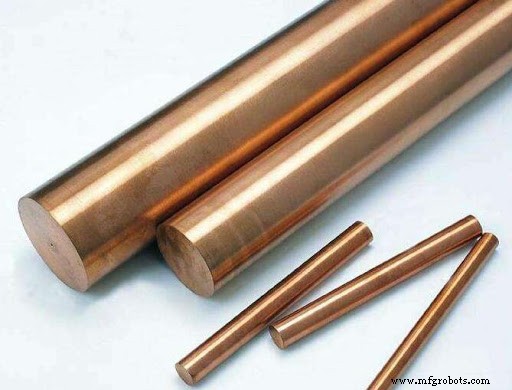
Tungsten‑Copper Alloy
1. Composition and Definition
Tungsten‑copper alloy is a binary composite of tungsten (30–95 wt%) and copper (10–50 wt%). Molybdenum‑copper alloy, on the other hand, consists of molybdenum (10–40 wt%) and copper, with grades such as MoCu10, MoCu15, MoCu20, MoCu25, and MoCu40; total impurities are kept below 0.1 wt%.
2. Physical and Chemical Properties
Tungsten‑copper alloys combine tungsten’s high melting point and copper’s excellent conductivity, delivering superior electrical and thermal performance, corrosion resistance, and wear resistance. At temperatures above 3,000 °C, the copper component melts and can vaporize. In contrast, molybdenum‑copper alloys are lighter and exhibit lower density, making them attractive where weight is critical. They are non‑magnetic, possess strong high‑temperature resilience, low thermal‑expansion coefficient, and excellent vacuum performance, but their heat resistance and wettability lag behind tungsten‑copper counterparts.
3. Manufacturing Processes
Tungsten‑copper is typically fabricated via powder metallurgy: powder mixing, pressing, sintering, infiltration, and cold working. Alternative routes include injection molding and tungsten skeleton infiltration. Molybdenum‑copper is produced by liquid‑phase sintering (1300–1500 °C after compression) or molybdenum skeleton infiltration.
4. Typical Applications
Tungsten‑copper alloys excel in high‑temperature components, spark‑plasma electrodes, microelectronic interconnects, and high‑voltage switching contacts. Molybdenum‑copper alloys find use in military and civilian high‑power microelectronic devices, where reduced weight and excellent vacuum compatibility are paramount.
Conclusion
Understanding the nuanced differences between tungsten‑copper and molybdenum‑copper alloys empowers engineers to select the optimal material for each application. For deeper insights into refractory metals and alloys, visit Advanced Refractory Metals (ARM).
ARM, headquartered in Lake Forest, California, is a leading global supplier of high‑quality refractory metals, including molybdenum, tantalum, rhenium, tungsten, titanium, and zirconium, at competitive prices.
Metal
- Tungsten‑Copper Alloy: The Engine Behind Rocket Throat Lining Performance
- Tungsten Copper Alloy vs Tungsten Nickel‑Iron Alloy: A Technical Comparison
- Tungsten‑Copper Alloys: The High‑Performance Material for Microelectronics Packaging
- Enhancing Tungsten‑Copper Alloy Performance: Proven Strategies and Processing Techniques
- Tungsten–Copper Alloys: Key Properties, Manufacturing, and Applications
- Tungsten‑Nickel‑Copper Alloy Shield: Advanced Lead‑Free Radiation Protection
- Molybdenum–Copper Alloys: Key Properties and Cutting‑Edge Applications
- Tungsten‑Molybdenum‑Iron Alloys: Enhancing Steel Strength and Production Efficiency
- Tungsten–Nickel–Copper Alloys: Key Properties & Industry Applications
- Unexpected Applications of Copper‑Tungsten Alloy