



Tungsten‑Molybdenum‑Iron Alloys: Enhancing Steel Strength and Production Efficiency
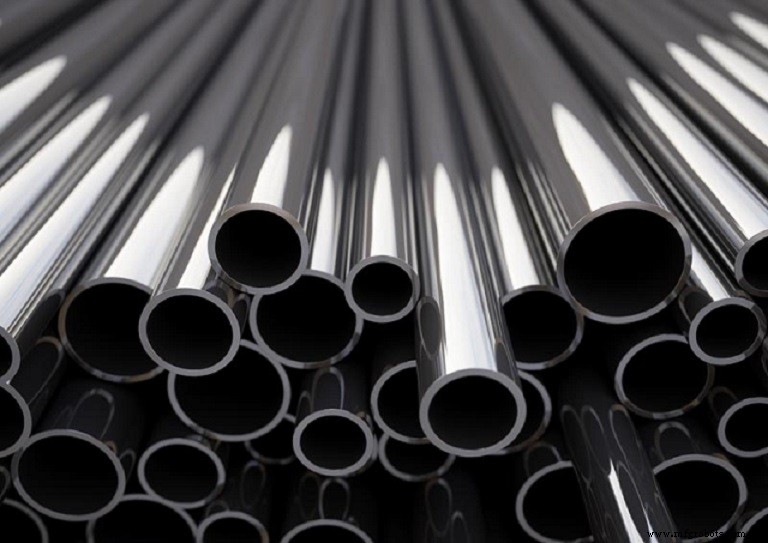
Tungsten‑Molybdenum‑Iron Alloys for Steelmaking
A tungsten‑molybdenum‑iron alloy combines three key metals—tungsten, molybdenum, and iron—to deliver superior mechanical performance and process benefits in the steel industry. Current market data show that tungsten accounts for roughly 40% and molybdenum 80% of the additive demand in steelmaking.
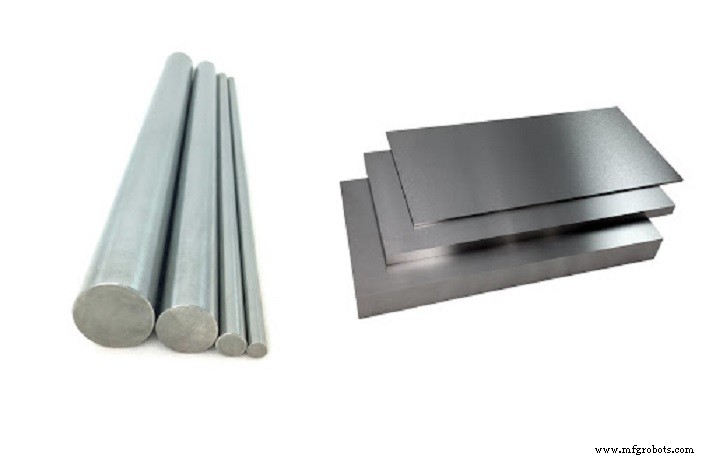
Tungsten‑Molybdenum‑Iron Alloy
In conventional practice, these elements are introduced as ferro‑tungsten (FeW) and ferro‑molybdenum (FeMo). However, modern chemical advances enable direct use of pre‑alloyed tungsten‑molybdenum‑iron blends, simplifying the process and reducing energy consumption.
Key Benefits of Tungsten and Molybdenum Additives
- Tungsten carbides improve toughness and wear resistance due to their fine, hard particles.
- W enhances tempering stability, red hardness, and thermal strength, raising the recrystallization temperature and markedly improving creep resistance.
- In steel, molybdenum exists as solid solutions and carbides, boosting hardenability and thermal strength while mitigating temper brittleness.
- It also increases remanence and coercivity, and enhances corrosion resistance in specific media.
Collectively, these effects refine grain structure, widen quench‑temper ranges, and elevate strength, elasticity, abrasion resistance, and impact toughness—crucial for high‑temperature cutting tools and demanding applications.
Process Efficiency Gains
Transitioning to tungsten‑molybdenum‑iron alloys eliminates separate ferro‑tungsten and ferro‑molybdenum steps, allowing a single‑stage addition that shortens the production cycle and cuts energy usage.
Conclusion
We hope this overview clarifies how tungsten‑molybdenum‑iron alloys strengthen steel and streamline manufacturing. For deeper insight into refractory metals and alloys, explore Advanced Refractory Metals (ARM), a global leader headquartered in Lake Forest, California.
ARM supplies high‑quality refractory metals—including molybdenum, tungsten, tantalum, rhenium, titanium, and zirconium—at competitive prices worldwide.
Metal
- Tungsten Alloy: The Ultimate Forklift Counterweight Solution
- Tungsten‑Copper Alloy: The Engine Behind Rocket Throat Lining Performance
- Tungsten Copper Alloy vs Tungsten Nickel‑Iron Alloy: A Technical Comparison
- Tungsten‑Copper Alloys: The High‑Performance Material for Microelectronics Packaging
- High‑Density Tungsten Alloys for Effective Gamma‑Ray Shielding
- Tungsten–Nickel–Iron Alloy Production: From Powder Blend to Final Sintering
- Tungsten Alloy Bullets: The Eco‑Friendly, High‑Performance Alternative to Lead
- High‑Performance Tungsten‑Titanium Alloy Targets for Advanced Semiconductor Chips
- Tungsten‑Copper vs. Molybdenum‑Copper Alloys: Key Differences & Applications
- Achieving Carbon‑Neutral Steel Production: Innovations & Strategies