



High‑Density Tungsten Alloys for Effective Gamma‑Ray Shielding
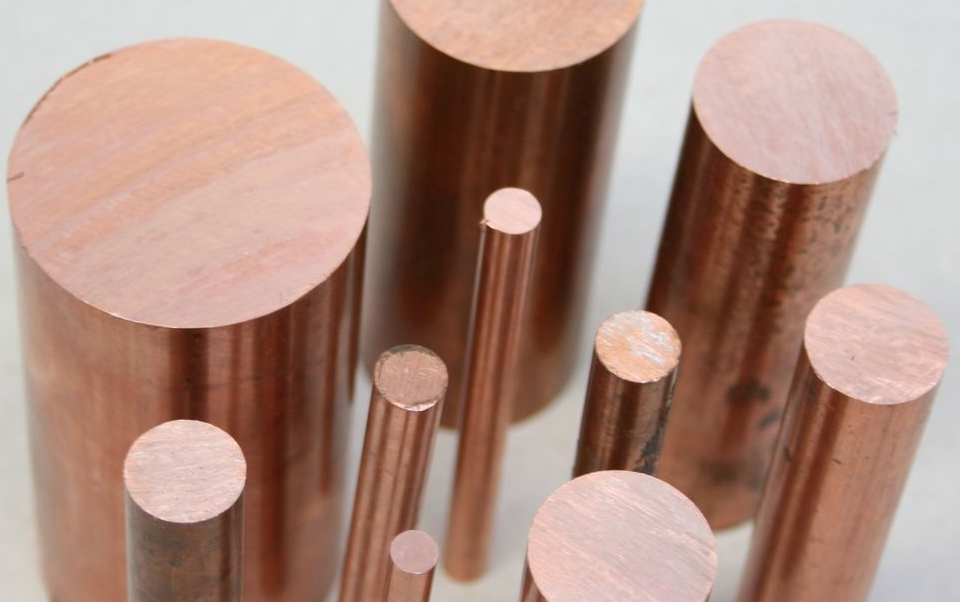
High‑Density Tungsten Alloys for Effective Gamma‑Ray Shielding
Beyond the well‑known tungsten‑nickel‑iron (W‑Ni‑Fe) composition, gamma‑ray shielding solutions also employ tungsten‑copper (W‑Cu) alloys. Both systems feature tungsten as the primary hard phase, yet their bonding metals, manufacturing steps, and resulting properties differ markedly.
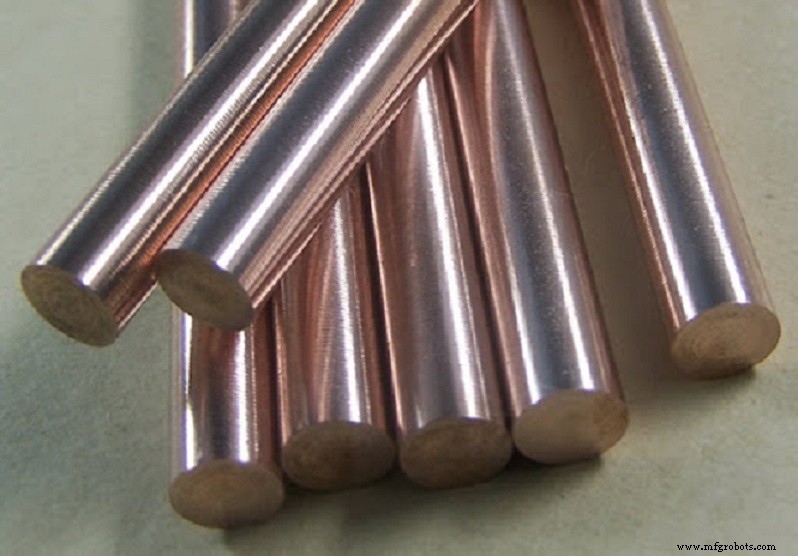
High‑density tungsten alloys engineered for gamma‑ray shielding.
1. W‑Ni‑Fe Alloy Production
Tungsten, nickel, and iron powders are wet‑ball‑milled together, then dried to form a homogeneous blend. Polyvinylpyrrolidone is dissolved in anhydrous ethanol and added to the powder mix, ensuring uniform coating. The mixture is then molded and cold‑pressed into a green plate at a controlled temperature.
The green plate undergoes a 2–5 h microwave treatment in anhydrous ethanol, followed by rinsing and drying to produce a porous slab. Multiple porous plates are consolidated under hydraulic pressure to create a green body, which is subsequently sintered via liquid‑phase sintering to yield a prefabricated alloy plate.
A final surface treatment—spraying the prefabricated plate with additional mixed powder, rolling, and polishing—produces a smooth, high‑density tungsten‑nickel‑iron alloy. This method addresses low processing yields found in earlier approaches by leveraging staggered layer filling and a perforated‑plate pressing strategy, eliminating the need for a separate forming agent.
2. W‑Cu Alloy Production
High‑density tungsten‑copper alloys are fabricated by injection molding. Nickel, copper, or iron powders (1–5 µm particle size) are blended with tungsten powders of 0.5–2 µm and 5–15 µm. The mixture is combined with a 25–30 % organic binder—such as paraffin or polymethacrylate—before injection. Binder removal is achieved through steam cleaning and irradiation, and the green part is sintered in a hydrogen atmosphere to achieve the final density.
Both W‑Ni‑Fe and W‑Cu alloys offer high density, hardness, wear resistance, and corrosion protection. The W‑Ni‑Fe alloy typically exhibits slightly superior toughness and strength, whereas the W‑Cu variant remains a viable option for gamma‑ray shielding applications.
Conclusion
We hope this overview clarifies the manufacturing pathways and performance traits of tungsten alloys used in gamma‑ray shielding. For deeper insight into tungsten, molybdenum, tantalum, rhenium, titanium, or zirconium alloys, visit Advanced Refractory Metals (ARM).
Headquartered in Lake Forest, California, USA, Advanced Refractory Metals (ARM) is a leading global supplier of high‑quality refractory metals and alloys, offering competitive pricing on tungsten, molybdenum, tantalum, rhenium, titanium, and zirconium.
Metal
- Tungsten Alloy: The Ultimate Forklift Counterweight Solution
- Tungsten‑Copper Alloy: The Engine Behind Rocket Throat Lining Performance
- Tungsten Alloys in Mobile Phone Vibrators: Performance and Advantages
- Enhancing DC Motor Performance with Tungsten‑Copper Alloys
- Tungsten‑Copper Alloys: The High‑Performance Material for Microelectronics Packaging
- Tungsten Alloy Bullets: The Eco‑Friendly, High‑Performance Alternative to Lead
- High‑Performance Tungsten‑Titanium Alloy Targets for Advanced Semiconductor Chips
- Tungsten Alloy Applications in Industrial Radiation Shielding
- Tungsten‑Molybdenum‑Iron Alloys: Enhancing Steel Strength and Production Efficiency
- Optimizing Material Selection for Reliable Thermal Processing Equipment