



Tungsten Alloys in Mobile Phone Vibrators: Performance and Advantages
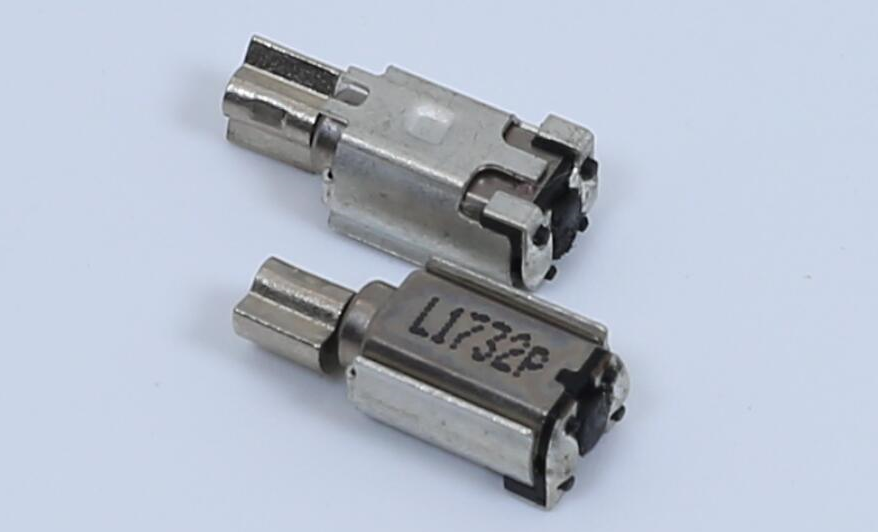
Tungsten Alloys in Mobile Phone Vibrators
Wolfram‑based alloys, composed of 85–99 % tungsten with trace additions of nickel, copper, iron, cobalt, molybdenum, chromium and other elements, exhibit densities between 16.5 and 18.75 g cm‑3. Their exceptional hardness, non‑magnetic nature, chemical inertness and high wear resistance make them indispensable in high‑performance electronics and precision mechanical components. In the mobile‑phone industry, tungsten alloys are the material of choice for vibrators that deliver consistent haptic feedback.
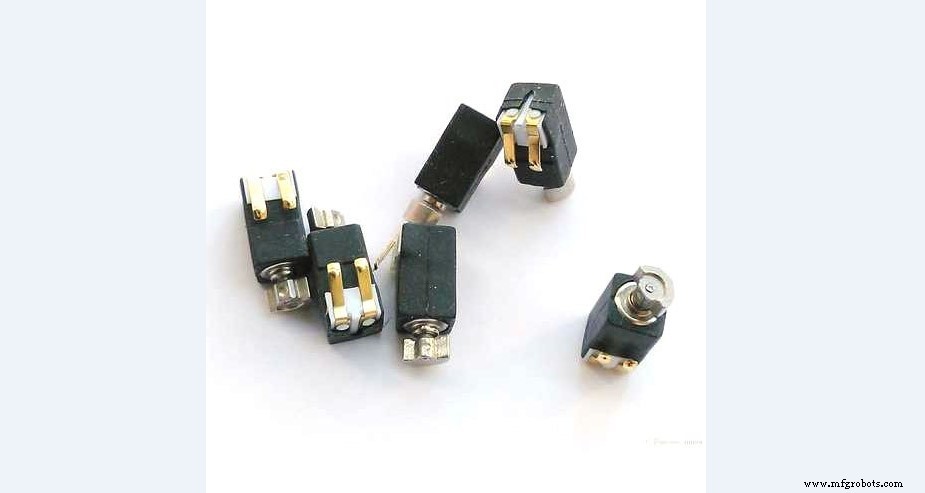
Tungsten Alloys in Mobile Phone Vibrators
Unlike conventional steels or aluminum, tungsten alloys maintain structural integrity under the rapid, high‑speed rotations required by mobile‑phone vibrators. Their high density allows for a compact, high‑moment‑of‑inertia design that maximizes vibration amplitude while keeping the device lightweight. The alloys’ resistance to oxidation and corrosion ensures a long service life, even in the humid, high‑temperature environments typical of mobile‑phone usage.
The vibrator’s motor operates on electromagnetic principles: a coil receives alternating current, creating forces that push the rotor alternately upward and downward. When the forces balance, the rotor spins, and the off‑center mass at the end of the rotor translates this rotation into a vibrating motion. Because the motor must spin continuously at high speeds, any material fatigue quickly degrades performance. Tungsten alloys’ superior wear resistance dramatically reduces this risk, extending the vibrator’s lifespan and maintaining consistent haptic feedback.
Why Tungsten Alloys Matter for Mobile Devices
- High Density & Small Size: Achieve high vibration output without increasing device thickness.
- Exceptional Wear Resistance: Sustain thousands of vibration cycles with minimal degradation.
- Chemical Stability: Resist corrosion, ensuring reliability in diverse climates.
- Non‑Magnetic & Radioactive‑Free: Safe for consumer electronics and regulatory compliance.
Conclusion
Understanding the role of tungsten alloys clarifies why modern smartphones can offer precise, long‑lasting haptic feedback. For further insights into tungsten and other refractory metals, visit Advanced Refractory Metals (ARM), headquartered in Lake Forest, California. ARM supplies high‑quality refractory alloys—including tungsten, molybdenum, tantalum, rhenium, titanium and zirconium—at competitive prices worldwide.
Metal
- Tungsten Alloy: The Ultimate Forklift Counterweight Solution
- Enhancing DC Motor Performance with Tungsten‑Copper Alloys
- Tungsten‑Nickel‑Iron Alloys: Key Applications in Modern Industry
- High‑Density Tungsten Alloys for Effective Gamma‑Ray Shielding
- Tungsten Alloy Bullets: The Eco‑Friendly, High‑Performance Alternative to Lead
- Refractory Metals & Alloys: Essential High‑Temperature Materials for Aerospace
- Top 3 Tungsten Alloys and Their Key Applications
- W Tungsten & Alloys: High‑Performance Applications in Steel, Heat‑Resistant Alloys, and Electronics
- Ensuring Compliance: Sourcing Tungsten Alloys for Defense Applications
- Bronze Alloys in Military Applications: From Ancient Armor to Modern Defense