



Why Tungsten‑Copper Electrodes Excel in Electrical Discharge Machining (EDM)

Tungsten‑Copper Electrodes for Electrical Discharge Machining
Compared to early copper or graphite electrodes, tungsten‑copper alloys deliver superior strength, rapid heat dissipation, and excellent electrical and thermal conductivity. They resist high‑temperature degradation and arc erosion, making them ideal for demanding EDM applications. While the material cost is higher, the operational savings from reduced electrode wear and higher productivity often offset the initial investment.
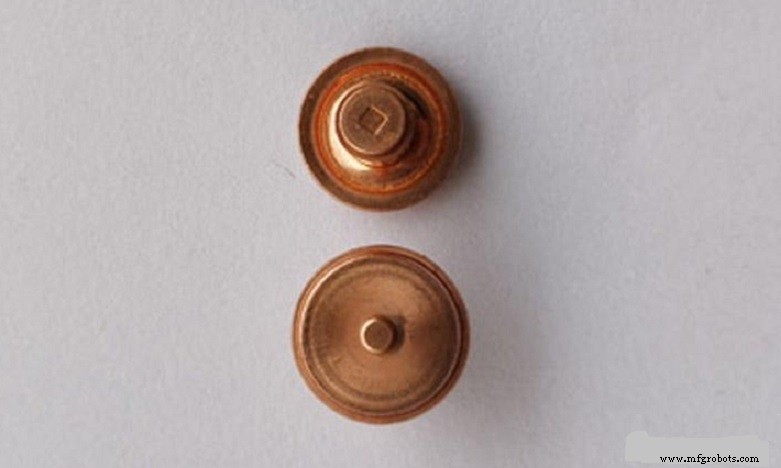
Tungsten‑Copper Electrode for Electrical Discharge Machining
What Is Electrical Discharge Machining?
Electrical Discharge Machining (EDM) uses a precisely controlled electric spark to remove material from a workpiece. A thin, continuously moving electrode wire delivers high‑energy pulses that melt and vaporize small amounts of the workpiece, allowing machining of hard or complex geometries that are otherwise difficult to cut.
The key advantages of EDM are:
- Ability to machine extremely hard materials such as cemented carbide, high‑speed steels, and even diamond or cubic boron nitride.
- High dimensional accuracy and surface finish for intricate parts.
- Flexibility to process both fine features and large blocks.
Electrodes must meet stringent criteria because they transport the pulse, sustain repeated spark events, and lose material during machining. Ideal electrode properties include:
- High electrical conductivity
- Efficient metal removal
- Minimal self‑loss
- High melting point
- Low coefficient of thermal expansion
- Excellent mechanical strength
Why Tungsten‑Copper Is the Preferred Choice for EDM
Modern EDM processes favor tungsten‑copper alloys because they combine the conductivity of copper with the hardness and thermal stability of tungsten. The benefits include:
- Reduced electrode wear – Tungsten particles remain embedded in the copper matrix, maintaining electrode geometry for longer.
- Consistent spark performance – The alloy’s uniform composition yields stable discharge characteristics, improving process reliability.
- High machining efficiency – Faster tool life and lower replacement frequency translate to cost savings.
- Versatility – Electrodes can be fabricated into a wide range of shapes to match tool or part geometry.
To achieve these advantages, manufacturers focus on:
- Precise control of tungsten content (typically 5–20 wt.%).
- Optimized forging and heat‑treatment processes for uniform microstructure.
- Custom electrode machining to meet specific tooling requirements.
Conclusion
Welding‑copper electrodes bring a blend of high conductivity, mechanical robustness, and thermal stability that elevates EDM performance. If you’re looking to improve machining precision, reduce electrode consumption, or handle high‑temperature workpieces, tungsten‑copper alloys are a proven choice.
For more information on tungsten‑copper alloys and other refractory materials, visit Advanced Refractory Metals (ARM), a global leader in high‑quality refractory metals such as molybdenum, tantalum, rhenium, tungsten, titanium, and zirconium. ARM’s products are available worldwide at competitive prices.
Metal
- Tungsten‑Copper Alloy: The Engine Behind Rocket Throat Lining Performance
- Enhancing DC Motor Performance with Tungsten‑Copper Alloys
- Tungsten‑Copper Alloys: The High‑Performance Material for Microelectronics Packaging
- Why Tungsten‑Copper Electrodes Excel in Electrical Discharge Machining (EDM)
- Barium Tungsten Electrodes: Enhancing Xenon Flash Lamp Performance
- Why Tungsten Contacts Power Reliable Electrical Appliances
- Electrical Discharge Machining (EDM): Precision, Contactless Metal Cutting
- Electrical Discharge Machining (EDM): The Ultimate Guide to Precision Metal Fabrication
- Electrical Discharge Machining (EDM): How It Works & Why It Matters
- Copper Tungsten: The Superior Choice for EDM Electrode Performance