



Enhancing DC Motor Performance with Tungsten‑Copper Alloys
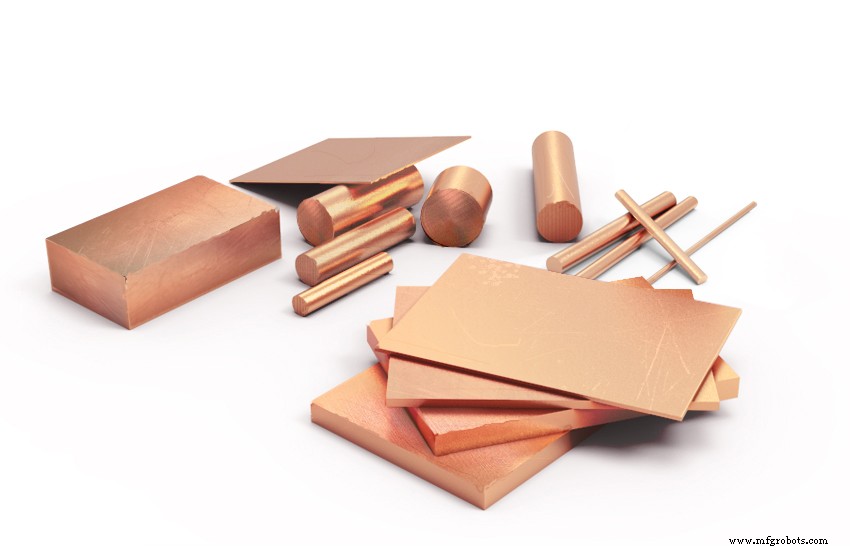
Enhancing DC Motor Performance with Tungsten‑Copper Alloys
The commutator segment is a critical component of a DC motor, traditionally fabricated from pure copper or silver‑copper alloy. Modern applications increasingly adopt tungsten‑copper alloys to combine the best attributes of both metals: copper’s high electrical conductivity and tungsten’s exceptional mechanical strength, thermal stability, and resistance to oxidation and arc erosion. This synergy delivers superior durability, consistent performance, and longer service life.

Tungsten Copper Alloys for Motors
The commutator, composed of segments and brushes, converts the AC generated in the armature winding into a steady DC output between the brushes. When current flows through the coil, the magnetic forces of the permanent magnet rotate the rotor. As each coil aligns with the brushes, the commutator ensures a continuous, unidirectional current, allowing the motor to rotate smoothly.
While pure copper segments are prone to oxidation and discoloration, and silver‑copper alloys can suffer from vulcanization and blackening, tungsten‑copper alloys eliminate these drawbacks. They maintain electrical conductivity, resist high‑temperature degradation, and possess a low coefficient of thermal expansion, which minimizes mechanical stresses during operation.
Manufacturing techniques for tungsten‑copper alloys include powder metallurgy, injection molding, copper‑oxide powder sintering, and tungsten frame infiltration. These processes yield a dense, homogeneous material that delivers consistent performance under demanding load and temperature conditions.
Conclusion
We hope this overview has clarified how tungsten‑copper alloys enhance DC motor reliability and efficiency. For further information on tungsten alloys or other refractory metals, visit Advanced Refractory Metals (ARM).
Headquartered in Lake Forest, California, ARM is a global leader in the manufacturing and supply of high‑quality refractory metals and alloys, including tungsten, molybdenum, tantalum, rhenium, titanium, and zirconium, all offered at competitive prices.
Metal
- Tungsten‑Copper Alloy: The Engine Behind Rocket Throat Lining Performance
- Tungsten Alloys in Mobile Phone Vibrators: Performance and Advantages
- Tungsten‑Copper Alloys: The High‑Performance Material for Microelectronics Packaging
- High‑Density Tungsten Alloys for Effective Gamma‑Ray Shielding
- Tungsten Alloy Bullets: The Eco‑Friendly, High‑Performance Alternative to Lead
- Why Tungsten‑Copper Electrodes Excel in Electrical Discharge Machining (EDM)
- Tungsten–Nickel–Copper Alloys: The Lead‑Free Solution for Advanced Medical X‑Ray Shielding
- Tungsten‑Copper vs. Molybdenum‑Copper Alloys: Key Differences & Applications
- W Tungsten & Alloys: High‑Performance Applications in Steel, Heat‑Resistant Alloys, and Electronics
- Key Copper Alloys for Precision Machining: Brass, Bronze, and Beryllium Copper