



Key Copper Alloys for Precision Machining: Brass, Bronze, and Beryllium Copper
Metal alloys which contains copper as the primary composition include brass(zinc added) and bronze(tin added to copper) .
Copper alloys have features of having good strength, ductility, thermal and electrical conductivity and great corrosion resistance. The hardest and strongest copper alloy is Beryllium Copper, and it has similar mechanical properties to a lot of high strength steels. However, it has better corrosion resistance.
Brass
Common Brass, Naval Brass, Brass astrolabe
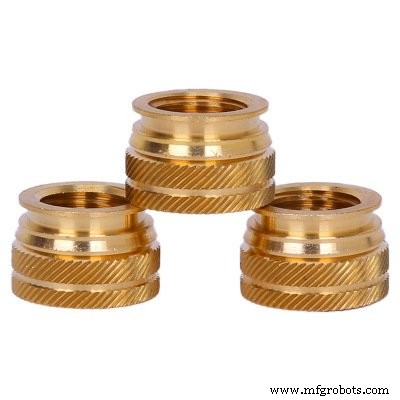
The main alloying composition of copper alloys is zinc, which is also called Brass. Brass is used for decorating purposes because of its gold-like appearance. It can also be used in places where low friction is needed, including gears, locks, bearings and valves. Brass is suitable for zippers. More importantly, brass is widely used for musical instruments such as bells and horns where good workability and durability are required.
Advantages
- Brass can be recycled easily.
- Brass can be machined easily.
- Brass is great for decorative purposes.
- Brass can well conducts electricity and heat.
- Brass has better malleability than that of bronze.
Disadvantages
- Brass requires a great deal of maintenance, because it is prone to blackish tarnish.
- Brass can be influenced by stress corrosion cracking, especially when it is exposed to ammonia.
Bronze – Copper Alloy With Tin
Bronze has many alloys such as 90-10 Bronze and Phosphor Bronze.
Bronze is a kind of alloy consisting mainly copper, about 12-12.5% tin and other metals such as nickel, zinc, aluminum or manganese sometimes non metals such as silicon, phosphorus or arsenic, which makes bronze harder than copper and have ductility, stiffness and machinability. Bronze is used for making coins over a long time, and it is especially applicable to boat and ship fittings due to its toughness and resistance to salt water corrosion.
Advantages
- Bronze has better corrosion and fatigue resistance than that of steel.
- Bronze is harder than brass.
- Bronze conducts electricity and heat better than steel.
Disadvantage
- Bronze has higher melting point than brass.
Copper Alloys – Wrought
C110, C11000
Copper alloys have copper as the main composition and have corrosion resistance, which are used for radiators, coins, fittings, etc.
Advantages
- Copper alloys can be machined easily.
- Copper alloys can be recycled easily.
- Copper alloys are perfect for decorative purposes.
- Copper alloys can conduct electricity and heat well.
Disadvantage
- Copper alloys has low melting point.
Industrial Technology
- Enhancing DC Motor Performance with Tungsten‑Copper Alloys
- Understanding Milling Machines: Functions, Applications, and Benefits
- Cobalt Chrome and Tungsten: Premium Materials for Advanced Machining Applications
- High-Temperature Nickel Superalloys for Precision Machining
- Aluminum in Machining: Properties, Applications, and Industry Use
- Choosing the Right Cast Iron for Precision Machining
- Top Soft Metals Ideal for CNC Machining: A Practical Guide
- Mastering CNC Machining of Titanium: Alloy Selection & Tooling Tips for Durable Parts
- CNC Milling & Machining Explained: Key Applications and Benefits
- Copper’s 4 Key Industrial Applications: From Wiring to Piping