



Copper, Bronze, and Brass: How to Distinguish Between Them
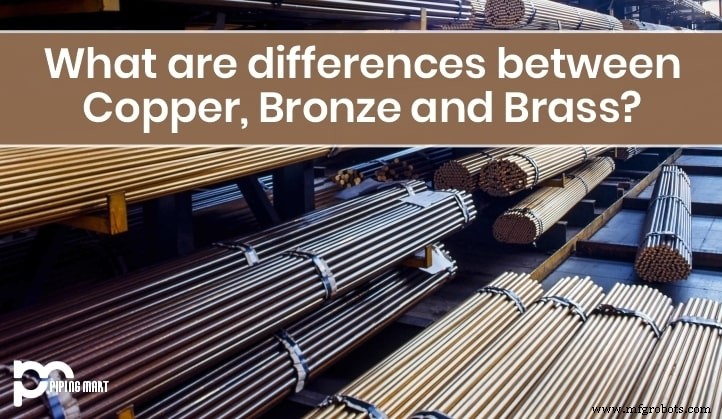
Copper, bronze, and brass are often mistaken for one another, yet each metal has a distinct composition and set of properties that set it apart. Understanding these differences not only enriches your technical knowledge but also helps you select the right material for every project.
Color
The most immediate visual cue is color. Brass typically displays a muted yellow‑gold hue, similar to antique brass fittings. Bronze, on the other hand, usually shows a reddish‑brown or dark gray tone, sometimes with a slight green patina when aged.
Composition
• Copper – 100 % pure copper, the base metal used in electrical wiring and decorative items.
• Brass – An alloy of copper and zinc (commonly 55 %–70 % copper). The zinc content gives brass its yellow appearance and improves machinability.
• Bronze – An alloy of copper and tin (typically 10 %–20 % tin). Tin strengthens the alloy and makes it more corrosion‑resistant.
Magnetic Properties
Pure copper and bronze are essentially non‑magnetic, so a strong magnet will not attract them. Brass contains zinc, which can give it a weak magnetic response; a good test is to hold a powerful magnet close to the metal. If it shows a slight attraction, the sample is likely brass.
Mechanical Strength & Durability
• Copper – Highly ductile and malleable, but not as hard as alloys.
• Bronze – Very hard and wear‑resistant, making it ideal for bearings, gears, and marine hardware.
• Brass – Stronger than copper but more prone to corrosion and surface oxidation, especially in humid environments.
Typical Applications
• Copper – Electrical wiring, plumbing pipes, decorative sculptures.
• Bronze – Bells, ship propellers, underwater bearings, decorative statues.
• Brass – Musical instrument valves, plumbing fittings, zippers, decorative hardware.
Choosing the correct alloy is critical. Using copper where bronze is required can lead to premature wear, while selecting brass for a high‑corrosion environment may result in rust and failure. If you’re ever uncertain, consult a reputable supplier or material specialist who can recommend the best metal for your specific use case.
Metal
- Tungsten Silver vs. Tungsten Copper Alloys: Key Differences & Applications
- Cloud vs. Virtualization: Key Differences & Business Impact
- Sensors vs. Transducers: Clear Differences & Practical Applications
- FRP vs Fiberglass: Understanding the Key Differences and Industrial Benefits
- Bolts vs. Screws: How to Choose the Right Fastener for Your Project
- Inconel vs. Incoloy: Key Differences, Properties, and Ideal High‑Temperature Applications
- Flat Face vs. Raised Face Flanges: Key Differences and Best Practices
- Understanding the Difference Between Tube Steel (TS) and Hollow Structural Steel (HSS)
- Python 2 vs Python 3: Key Differences and Choosing the Right Version
- Copper vs Brass vs Bronze: Key Differences in Properties & Applications