



Tungsten Silver vs. Tungsten Copper Alloys: Key Differences & Applications
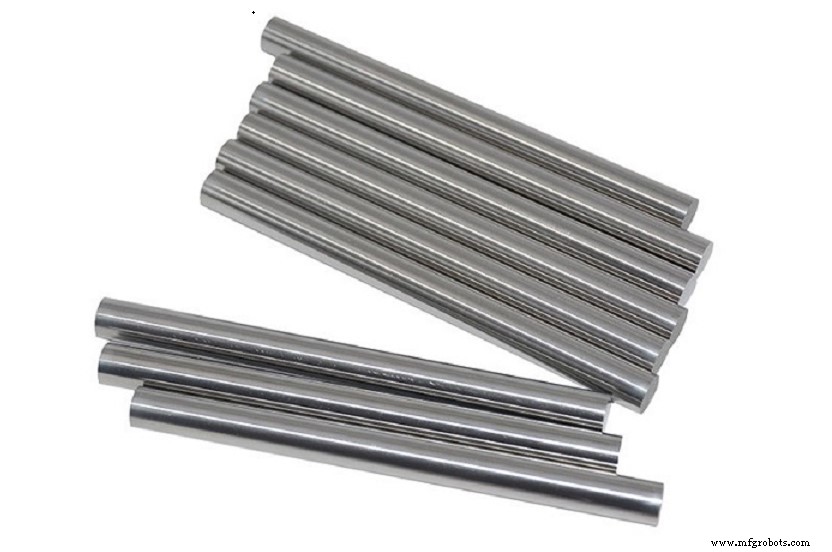
Tungsten Silver vs. Tungsten Copper Alloys: Key Differences & Applications
Tungsten alloys are the backbone of many high‑performance industries—from aerospace and defense to advanced electronics. Among them, tungsten–silver (W–Ag) and tungsten–copper (W–Cu) alloys stand out for their unique combinations of strength, conductivity, and temperature resistance. Understanding their distinct properties and manufacturing routes is essential for engineers selecting materials for critical components.
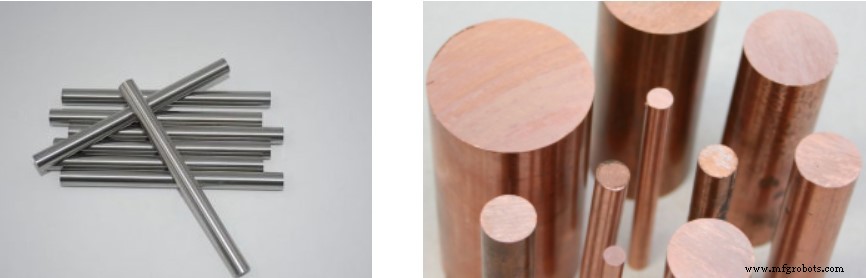
Tungsten Silver Alloy and Tungsten Copper Alloy
1. What They Are
W–Ag is a binary alloy of tungsten and silver, prized for its high strength and excellent electrical conductivity. W–Cu is a binary alloy of tungsten and copper, known for its high‑temperature stability and superior thermal conductivity.
2. Core Properties
- W–Ag – Exceptional hardness, resistance to welding and arc erosion, and outstanding electrical/thermal conductivity.
- W–Cu – Very high melting point (3,422 °C), high hardness, burn resistance, excellent toughness, low thermal expansion, and superior electrical/thermal conductivity.
3. Manufacturing Processes
W–Ag is typically produced via powder metallurgy: tungsten and silver powders are blended, compacted, and sintered to achieve a dense alloy.
W–Cu can be fabricated using several methods: powder alloying, injection molding, copper‑oxide sintering, and the tungsten‑frame infiltration technique. In the infiltration method, a sintered tungsten skeleton is formed first, then molten copper is forced into the pores, creating a uniform composite.
4. Typical Applications
- W–Ag – Ideal for electrical contacts, relays, circuit breakers, thermostats, and other high‑precision mechanical components.
- W–Cu – Used in high‑temperature parts such as plasma‑cutting nozzles, spark electrodes, welding heads, electronic packaging, rocket nozzle linings, and aircraft tail rudders.
Conclusion
Choosing between tungsten–silver and tungsten–copper alloys hinges on the required balance of mechanical strength, conductivity, and temperature tolerance. Both alloys are indispensable in sectors demanding durability and reliability.
For deeper insight into tungsten alloys and other refractory metals, visit Advanced Refractory Metals (ARM), a global leader headquartered in Lake Forest, California, delivering high‑quality refractory metals at competitive prices.
Metal
- Enhancing Tungsten‑Copper Alloy Performance: Proven Strategies and Processing Techniques
- Tungsten–Copper Alloys: Key Properties, Manufacturing, and Applications
- Bolts vs. Screws: How to Choose the Right Fastener for Your Project
- PTFE vs. Teflon: Same Material, Different Names – What You Need to Know
- Copper, Bronze, and Brass: How to Distinguish Between Them
- Understanding the Difference Between Tube Steel (TS) and Hollow Structural Steel (HSS)
- Python 2 vs Python 3: Key Differences and Choosing the Right Version
- Industry 4.0 vs Industry 5.0: What’s Changing and Why It Matters
- Understanding DC vs AC Motors: Key Differences and Buying Guide
- High-Speed Steel vs Tungsten Steel: Key Differences Explained