



Rare Earth Metals: Future Challenges and Strategies for Sustainability
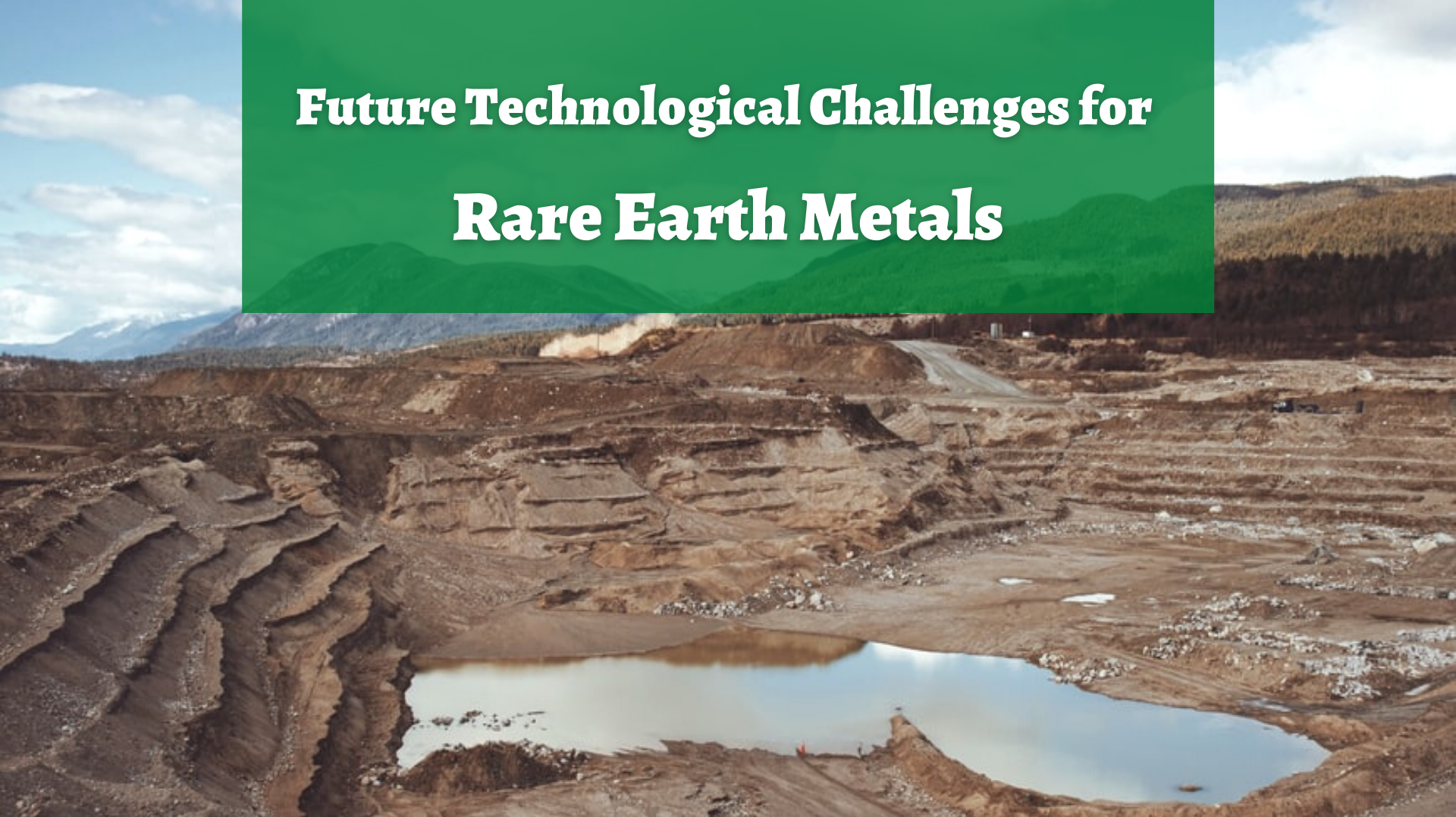
Over the past few decades, emerging technologies have opened unprecedented opportunities for businesses, while also introducing new challenges. As app developers continue to innovate, the next wave of breakthroughs will grow in influence and power. Although the long‑term impacts remain uncertain, companies must anticipate how these innovations will reshape their industries.
One looming threat is the depletion of the planet’s finite resources, particularly rare‑earth metals. The recurring concern about resource exhaustion raises a critical question: should we worry, and what alternatives can we pursue?
“Most of our most popular devices, such as smartphones, laptops, and earphones, rely on multiple materials.”
Natural‑resource experts often claim that many commodities we use daily will never be truly exhausted. However, this optimism is misleading. Smartphones, laptops, surgical supplies, and countless other devices contain over sixty distinct components in their batteries alone. “Most of these elements are found in small quantities, a milligram or less,” explains Armin Reller, a chemist at Augsburg University and chair of Resource Strategy. “Yet they are critical to the device’s operation.” These include common minerals like iron, aluminum, and copper, as well as lesser‑known “rare‑earth” elements that drive performance in smartphones, electric vehicles, wind turbines, and more.
China supplies roughly 90 % of the world’s rare‑earth metals, and its known deposits are projected to be exhausted within 15–20 years. Similar forecasts suggest that if demand persists, indium, platinum, and silver could run out in just a decade, while aluminum may be depleted in about 80 years.
Gold, platinum, rhodium, and tellurium rank among the planet’s rarest elements, both in abundance and economic value. Thomas Graedel, director of Yale’s Center for Industrial Ecology, cautions that a total depletion of resources like platinum or silver “would almost certainly never actually happen.” He notes that history has never shown a complete exhaustion of a natural resource.
Assessing the risk of “resource burnout” is complex. Proving a negative—such as asserting that no more silver deposits exist—is practically impossible without exhaustive global exploration. A more realistic view acknowledges that as reserves dwindle, the price of final‑scrap metals skyrockets, rendering further production unprofitable. Lawrence Meinert of the US Geological Survey’s Mineral Resources Program observes that “market forces adjust, costs shift, and consumers adapt their needs.” Consequently, demand may outpace supply, forcing a shift to alternative materials.
The cessation of cryolite mining in the 1980s illustrates this dynamic. Once the remaining deposits were too costly to extract, industry pivoted to general‑purpose substitutes. Scarcity, therefore, is not solely about physical abundance but also about extraction economics and demand drivers. Minat (2010) argues that the perceived value of a mineral depends on both its extraction difficulty and market demand.
Indium, a key component in tablet screens, is largely a by‑product of zinc mining. Because there is no dedicated indium mine—its limited quantity and low extraction efficiency—fluctuations in the zinc market directly influence indium prices. If automakers shift from steel to aluminum, the zinc demand may fall, lowering indium costs, illustrating the interconnectedness of commodity markets.
The German term “Gewürzmetall”—literally “spice metal”—describes elements that, like a pinch of cinnamon, are essential yet represent only a tiny fraction of a device’s mass. Palladium, for example, constitutes just 0.015 % of a mobile phone’s weight, yet the industry consumes about 15 tonnes per year.
Historical optimism about finding substitutes for exhausted metals is increasingly misplaced. Graedel’s recent analysis of 62 metals found that 12 had no viable replacements for their primary uses, and most of the remaining metals lack substitutes in many applications. Developing alternatives often reduces efficiency, slowing machines or weakening motors, which is unacceptable for high‑performance devices. Consequently, R&D teams should proactively explore resilient materials and design products that rely on more abundant elements.
Responsible recycling is another critical lever. In 2009, U.S. recycling rates were only 25 % for old TVs and laptops and 8 % for mobile phones. The loss of gold, platinum, and other valuable metals from discarded electronics represents a significant waste of time and money. While recycling alone cannot solve scarcity, large‑scale, technology‑enabled collection and reuse could extend the lifespan of essential components for centuries.
Ultimately, no metal is so rare that its extinction would go unnoticed. Yet many critical substances may vanish sooner than we anticipate, underscoring the urgency for sustainable sourcing, innovation, and circular economy practices.
Metal
- Advanced Rare‑Earth‑Doped Tungsten Electrodes for Superior Welding Performance
- Molybdenum Disulfide (MoS₂): Pioneering the Next Generation of Chip Technology
- Refractory Metals & Alloys: Essential High‑Temperature Materials for Aerospace
- Rhenium: Key Applications and Industrial Uses of the Rare Refractory Metal
- Top Heat‑Conducting Metals & Their Applications – A Practical Guide
- Future of Healthcare: Overcoming Challenges in Internet of Medical Things (IoMT)
- Why the U.S. Can't Break China's Rare Earth Metal Monopoly
- Why the U.S. Cannot Disrupt China’s Dominance in Rare Earth Metals
- Top Metals & Alloys for High‑Pressure Applications
- Key Factors That Promote Corrosion in Metals: A Comprehensive Guide