



Refractory Metals & Alloys: Essential High‑Temperature Materials for Aerospace

Refractory Metals & Alloys: Essential High‑Temperature Materials for Aerospace
Refractory metals are defined by melting points exceeding 2,000 °C. The principal members—tungsten, molybdenum, tantalum, niobium, rhenium, and vanadium—share exceptional high‑temperature strength, low thermal expansion, and resistance to liquid‑metal corrosion. Their operational window, typically 1,100–3,200 °C, far surpasses that of conventional superalloys, making them indispensable for aerospace structures that endure extreme temperatures.
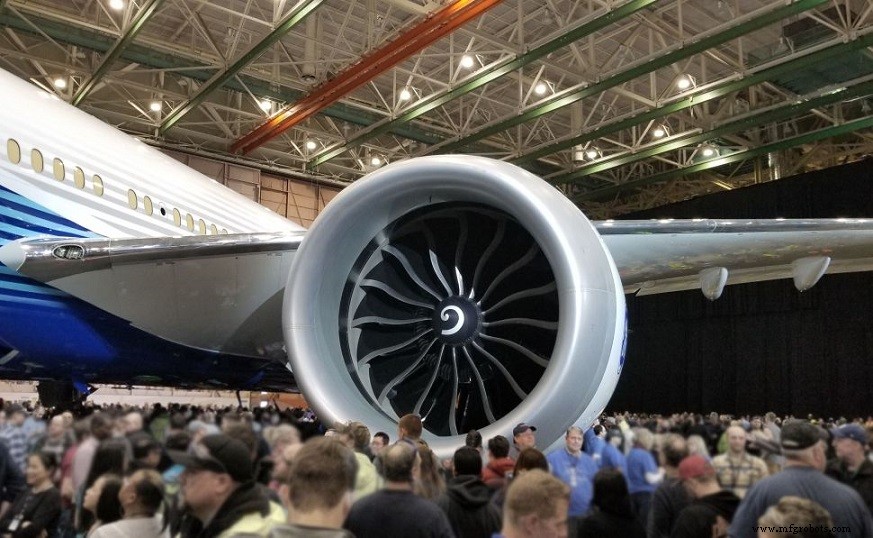
Refractory Metals & Alloys for Aerospace
1. Tantalum and Tantalum Alloys
Tantalum alloys combine high‑temperature strength, excellent thermal‑shock resistance, and superior creep resistance, while maintaining a low coefficient of thermal expansion. However, oxidation above 500 °C is a concern; protective coatings are typically applied.
Key U.S. developments include Ta‑10W, Ta‑12W, T‑111, T‑222, and ASTAR811C. Soviet‑era alloys such as Ta‑3Nb‑7.5V, Ta‑15W, Ta‑20W, and Ta‑10Hf‑5W are also noteworthy. Applications span the combustion chamber of the Ajina spacecraft, missile nose cones, rocket engine nozzles, and Apollo mission chambers.
2. Niobium and Niobium Alloys
Niobium alloys boast the lowest density among refractory metals, high strength between 1,100–1,650 °C, and excellent weldability. Their room‑temperature ductility allows fabrication into thin plates and complex geometries, making them ideal for thermal protection and structural roles in supersonic aircraft, space vehicles, satellites, missiles, and low‑altitude rockets.
In the U.S., niobium alloys are strengthened with W, Mo, and Hf; Russian variants incorporate W, Mo, and Zr.
3. Molybdenum and Molybdenum Alloys
Although molybdenum’s melting point is lower than tungsten and tantalum, its low density, high elastic modulus, and minimal thermal expansion grant it excellent high‑temperature creep performance. It is weldable, and the resulting welds meet stringent strength and plasticity criteria. Primary drawbacks are low‑temperature embrittlement and high‑temperature oxidation.
Russia has produced 14 molybdenum alloy grades, adding Ti, Zr, C, Re, and minor amounts of Ni, B, and Nb. The U.S. offers six major alloys, including TZM, Mo‑30W, TZC, HCM, and the Mo‑41–50Re series.
4. Tungsten and Tungsten Alloys
Tungsten remains the most heat‑resistant metal, with a density of 19.3 g cm⁻³ and the highest strength among refractory metals. It exhibits a high elastic modulus, minimal thermal expansion, and low vapor pressure. Challenges include low‑temperature brittleness and high‑temperature oxidation; alloying can mitigate these issues.
Applications include unguided rocket nozzles, ion‑engine rings, jet blades, positioning rings, hot‑gas reflectors, and gas rudders. Substituting tungsten for molybdenum in solid‑rocket motor liners elevates service temperatures from 1,760 °C to over 3,320 °C. Notable examples are the Polaris A‑3 missile nozzle (10–15 % Ag) and Apollo rocket nozzles. United Aircraft Corporation has pioneered a tungsten‑copper composite capable of withstanding combustion temperatures beyond tungsten’s melting point by 3,400 °C.
5. Rhenium and Rhenium Alloys
With a melting point of 3,180 °C and no brittle transition temperature, rhenium offers outstanding creep resistance under extreme thermal conditions. It is chemically inert to most fuel gases except oxygen. Its room‑temperature tensile strength is 1,172 MPa, and it retains 48 MPa at 2,200 °C, enabling nozzle lifespans of 100,000 thermal cycles at that temperature.
Rhenium alloys are employed in aerospace propulsion components, solid‑propulsion heat‑sensitive parts, and anti‑oxidation coatings. Chinese‑produced rhenium foil has successfully aided satellite recovery. Re‑Mo alloys maintain high mechanical strength up to 2,000 °C, suitable for supersonic aircraft and missile parts. Rhenium’s resistance to hot hydrogen corrosion and low hydrogen permeability make it ideal for heat‑exchanger components in solar rockets, where temperatures can reach 2,500 °C.
Conclusion
Refractory metals and their alloys are the backbone of aerospace engineering, delivering unmatched high‑temperature performance and durability. For deeper technical insight and supply options, consider consulting Advanced Refractory Metals (ARM), headquartered in Lake Forest, California. ARM supplies high‑quality molybdenum, tantalum, rhenium, tungsten, titanium, and zirconium at competitive prices.
Metal
- Tungsten Alloys in Mobile Phone Vibrators: Performance and Advantages
- Enhancing DC Motor Performance with Tungsten‑Copper Alloys
- Refractory Metals: Key Properties and Industrial Applications
- Powder Metallurgy: From Powder Production to Final Products – A Comprehensive Process Overview
- Abundant Refractory Metals: Properties, Applications, and Emerging Technologies
- What Are Refractory Metals? An Expert Overview of Their Properties and Applications
- Monel Nickel Alloys: Key Aerospace Applications & Performance
- Advanced TOMOPLEX Sensor Film for Real-Time Aerospace Monitoring
- Bronze Alloys in Military Applications: From Ancient Armor to Modern Defense
- Aluminum Alloys: The Ultimate Choice for Automotive, Aerospace, and Beyond