



Refractory Metals: Key Properties and Industrial Applications
Refractory Metals: Key Properties and Industrial Applications
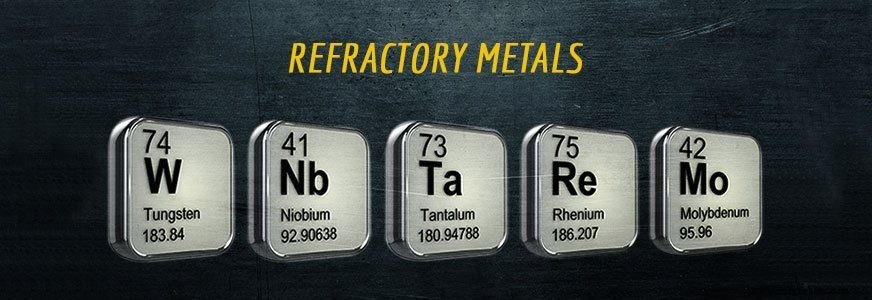
Refractory metals are a group of metals that maintain their strength and stability even at the highest temperatures. The core members—tungsten, tantalum, molybdenum, and niobium—are prized in aerospace, nuclear, and high‑temperature manufacturing. In this article we detail the defining characteristics of these four widely used refractory metals.
Refractory Metals Properties
Refractory Metals – 1. Tungsten
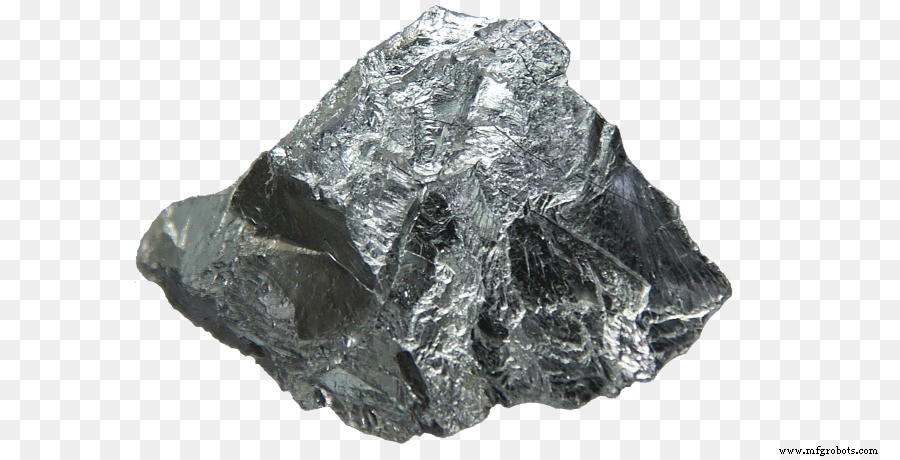
Tungsten boasts the highest melting point among common refractory metals at 3410 ± 20 °C. Its silver‑white appearance and steel‑like hardness make it ideal for demanding environments. Chemically, it is exceptionally inert: most acids and bases barely affect it, and even hydrogen, water, or dilute acids leave it unchanged. Corrosion only occurs in very aggressive media such as hot aqua regia or a 1:1 mixture of hydrofluoric acid and nitric acid.
Tungsten
Although tungsten is difficult to machine, its filaments and flakes can be welded with relative ease. These properties underpin its use in vacuum systems—electron emission filaments, X‑ray tube cathodes, high‑temperature thermocouples, furnace evaporators, and welding electrodes.
Refractory Metals – 2. Tantalum
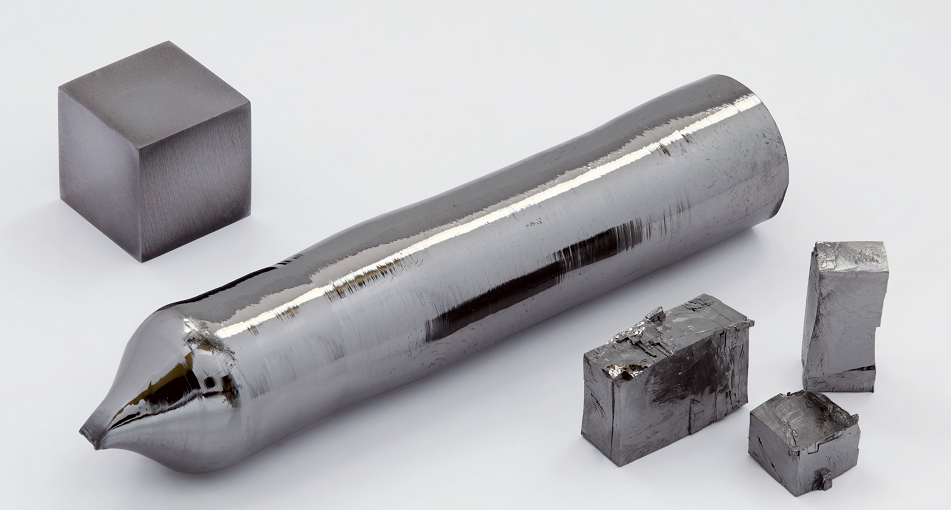
Tantalum is a lightweight, high‑strength metal with a melting point of 2996 °C. Its corrosion resistance is unparalleled; it does not react with aqua regia, chromic acid, nitric acid, sulfuric acid, or hydrochloric acid under both hot and cold conditions. It is only soluble in hydrofluoric acid, fluoride solutions, and oxalic acid.
Tantalum
Tantalum can form hydrides with hydrogen, which can compromise its mechanical properties and lead to brittleness. Additionally, it acts as a potent getter for active gases, absorbing most residual gases in vacuum systems except inert species.
Refractory Metals – 3. Molybdenum
Molybdenum is a non‑magnetic, hard metal with a melting point of 2620 °C. It remains stable in air or water at normal temperatures. Oxidation begins at about 520 °C and accelerates once the temperature exceeds 600 °C. Its corrosion resistance is limited to hot dilute hydrochloric acid and a 1:1 mixture of hydrofluoric acid and nitric acid. In vacuum applications, heat treatment or the addition of niobium boosts its tensile strength.
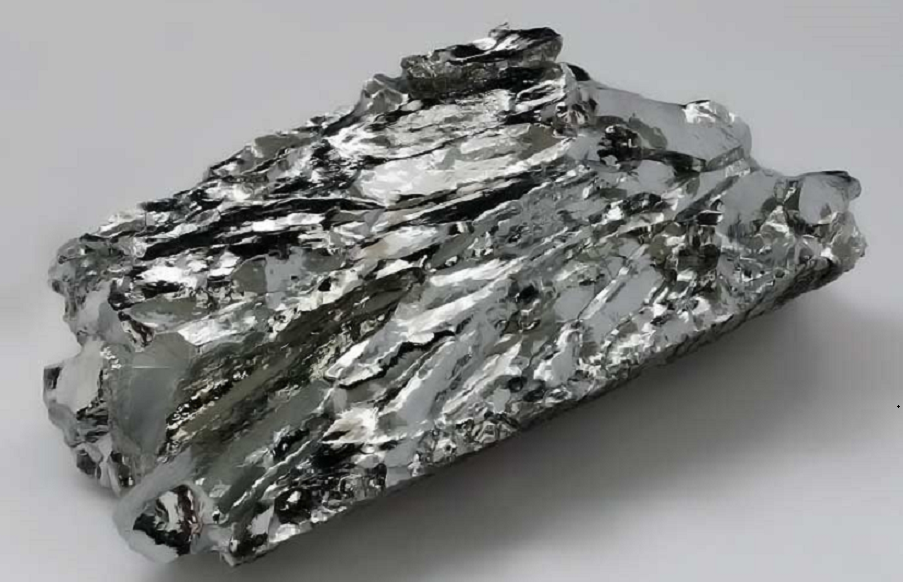
Molybdenum
Refractory Metals – 4. Niobium
Niobium melts at 2468 °C and offers high strength with a low specific gravity. Its properties resemble those of tantalum, but it has a lower melting point and higher vapor pressure, making it less suitable as a hot electron emitter. Niobium’s strong affinity for gases makes it an excellent high‑temperature getter.
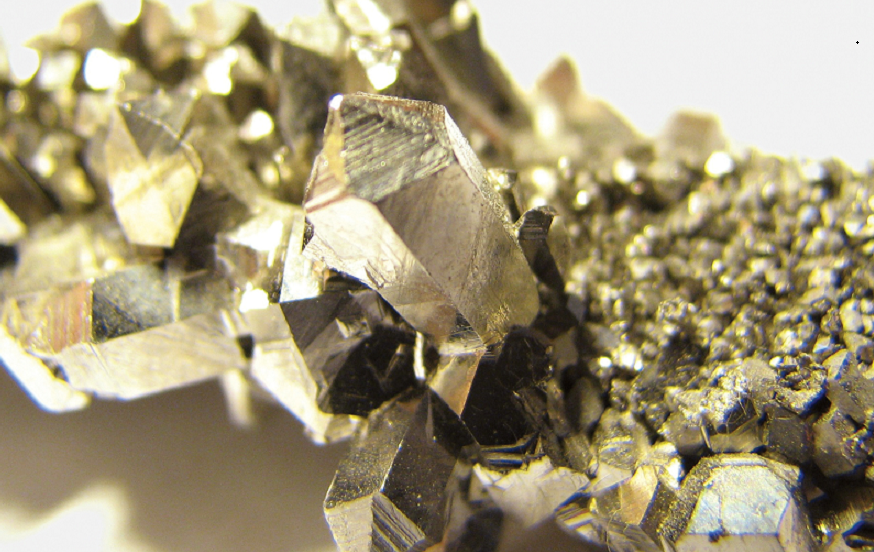
Niobium
In vacuum systems, niobium serves as a structural material and is widely used in electric or electron‑beam welding. It is also added to certain stainless steels to mitigate intergranular corrosion caused by carbon. Moreover, niobium is found in heating elements and heat shields within vacuum equipment.
Conclusion
We appreciate your interest in the unique properties of refractory metals. For deeper insight into these materials and their applications, visit Advanced Refractory Metals (ARM). Our company supplies high‑quality refractory metals to support your research, development, and production needs.
Metal
- Refractory Metals & Alloys: Essential High‑Temperature Materials for Aerospace
- Why Molybdenum Is a Strategic Metal: Applications, History, and Global Significance
- Common Refractory Metals in Vacuum Systems
- Abundant Refractory Metals: Properties, Applications, and Emerging Technologies
- What Are Refractory Metals? An Expert Overview of Their Properties and Applications
- What Are Non-Ferrous Metals? – A Comprehensive Overview
- Why Fiix Is Recognized as an Industry Innovator in CMMS
- Refractory Metals: Key Properties, Types, and Industrial Applications
- Understanding Rust: Which Metals Corrode and How It Happens
- Key Benefits of Lightweight Metals: Boost Performance & Efficiency