



Why Molybdenum Is a Strategic Metal: Applications, History, and Global Significance
Why Molybdenum Is a Strategic Metal: Applications, History, and Global Significance
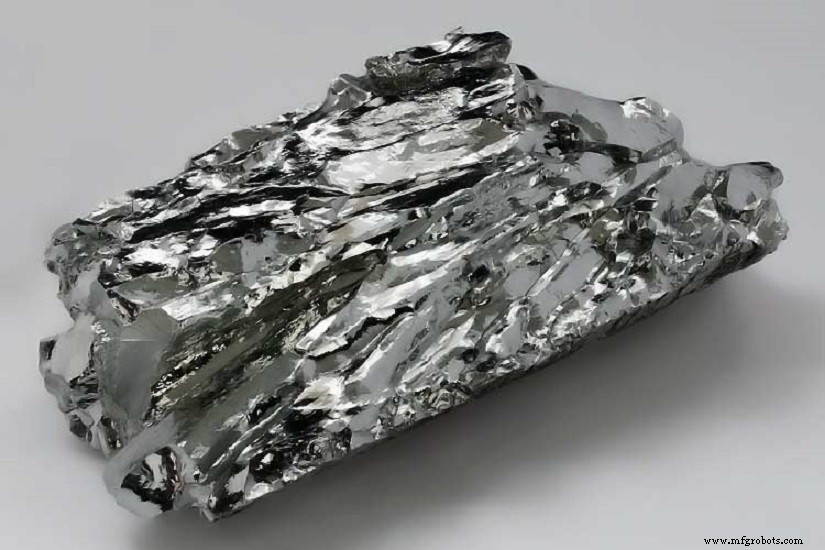
Molybdenum is a silver‑white transition metal that resists corrosion at room temperature and remains inert to acids such as hydrochloric and hydrofluoric. Its combination of high strength, low thermal expansion, and exceptional conductivity makes it indispensable in advanced engineering and defense applications.
Why Molybdenum Is a Strategic Metal
Discovery and Early Use
In 1779, Swedish chemist Carl Wilhelm Scheele distinguished molybdenum from lead and graphite by observing that nitric acid dissolved the ore but left graphite intact. He identified the resulting white powder as a metal oxide. Two years later, Swedish chemist Johan August Arfwedson used a carbon‑reduction method to isolate the pure metal, which he named “molybdenum.”
Industrial and Military Applications
Although it took until the 20th century for molybdenum to enter large‑scale production, its properties quickly found critical uses. Molybdenum and its alloys enhance the strength and wear resistance of alloy steels, stainless steels, tool steels, and cast irons. Adding just a few percent improves corrosion resistance and allows these materials to withstand extreme temperatures.
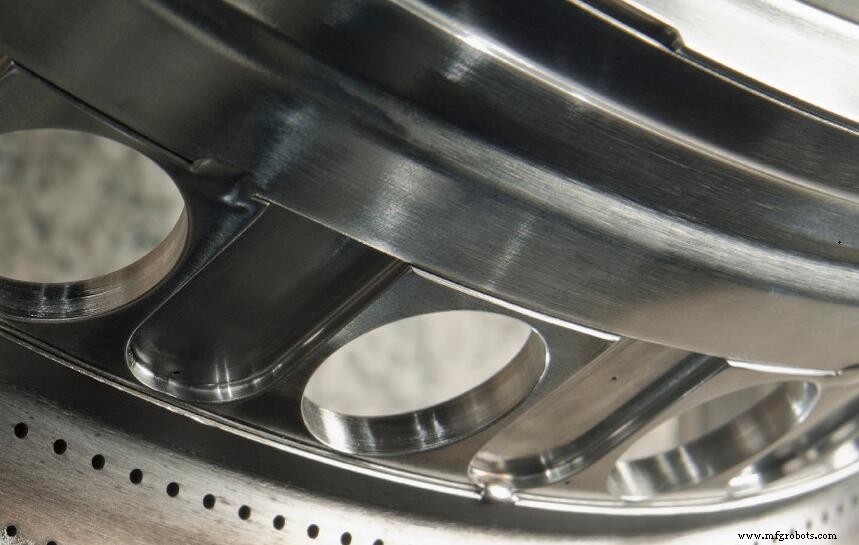
The alloying element is a cornerstone of high‑performance aerospace components. For example, an 18 % molybdenum nickel‑based superalloy offers a high melting point, low density, and minimal thermal expansion—ideal for jet engine parts and satellite structures.
In electronics, pure molybdenum wire is used in high‑temperature furnaces, electrical discharge machining, and wire‑cutting tools. Molybdenum sheets find applications in radio and X‑ray equipment, while molybdenum disulfide serves as a solid‑state lubricant in aerospace and mechanical systems.
Beyond metallurgy, molybdenum compounds act as catalysts in petrochemical processing, and the element is essential to plant nutrition, making it a critical agricultural fertilizer component.
Strategic Significance
The element first appeared in a 14th‑century Japanese samurai sword, marking its earliest military application. By 1891, French manufacturers had incorporated molybdenum into armor plates, noting its lower density—half that of tungsten—while delivering comparable strength. During World War I, the high demand for tungsten and its scarcity drove the defense industry to adopt molybdenum for hardening steels and creating impact‑resistant armor.
The 1918 opening of the Climax Mine in Colorado expanded U.S. supply, but global shortages and geopolitical tensions have kept molybdenum on many strategic metal watchlists. Modern defense systems—including warships, rockets, and satellites—continue to rely on molybdenum‑tungsten‑chromium‑vanadium alloys for components that must endure extreme temperatures and mechanical stresses.
Conclusion
Understanding molybdenum’s unique blend of properties, its evolution from a laboratory curiosity to a cornerstone of high‑technology materials, and its vital role in national defense explains why governments classify it as a strategic metal.
For deeper insights into refractory metals and supply chains, visit Advanced Refractory Metals (ARM), a leading global supplier of molybdenum, tantalum, rhenium, tungsten, titanium, and zirconium alloys.
Metal
- Understanding Metal Fatigue: Causes, Consequences, and Prevention
- What Is Machining? A Comprehensive Guide to Precision Metal Fabrication
- Understanding Foundries: The Backbone of Modern Manufacturing
- Annealing Explained: Reducing Hardness & Enhancing Metal Durability
- Metal Cladding Explained: Benefits, Types, and Design Tips
- Understanding Metal Processing: Turning Scrap into New Products
- Understanding Pot Metal: Composition, Uses, and Quality Concerns
- Palladium Explained: Properties, Uses, and Value
- Understanding Foundries: Where Metal Becomes the Building Blocks of Modern Industry
- Metal Spinning Explained: CNC Lathe Process for Precise, Seamless Metal Parts