



Molybdenum Metal and Alloys: Key Applications Across Industries
Application of Molybdenum Metal and Its Alloys
As science and technology advance, molybdenum metal finds growing use across high‑tech sectors. This article reviews its key applications.
Application of Molybdenum Metal and Its Alloys
1. Steel Industry
In global steel production, molybdenum remains the most critical alloying element. It enhances high‑temperature strength, toughness, corrosion resistance, wear resistance, hardenability, weldability, and heat resistance.
Formed carbides during steelmaking, molybdenum does not oxidize and can be used alone or with chromium, nickel, manganese, and silicon to produce stainless steel, tool steel, high‑speed steel, and alloy steel.
High‑speed steels containing molybdenum combine wear resistance, toughness, and excellent high‑temperature plasticity, making them ideal for forming tools. Molybdenum‑alloy steels are employed in machine‑tool components, industrial vehicles, and bulldozers.
2. Agricultural Fertilizer
Molybdenum is a vital trace element for plants, boosting the quality and yield of legumes, pastures, and other crops. Fertilizers often contain ammonium molybdate.
It promotes nitrogen fixation by rhizobia, facilitates phosphorus uptake, accelerates sugar metabolism, increases chlorophyll and vitamin C, and improves drought, cold, and disease resistance.
Low‑dose molybdenum fertilizers deliver high yields at low cost, especially enhancing soybean harvests.
3. Electronic and Electrical Industry
With excellent electrical conductivity and high‑temperature stability, molybdenum is used in core wires, lead wires, bulb filament rods, and as grid and anode support in electron tubes.
In advanced integrated circuits, molybdenum serves as a gate metal in metal‑oxide semiconductors, eliminating the bimetal effect. Ultra‑thin seamless molybdenum tubes (~15 µm) form anode brackets for high‑definition TV picture tubes, doubling the scanning line count (1125).
Molybdenum wafers act as substrates and heat sinks for power transistors and silicon rectifiers. Mo‑Re alloys (e.g., Mo‑50Re) and TZM alloys are used as structural materials in high‑power microwave and millimeter‑wave tubes.
4. Car Spraying
Boasting a 2620 °C melting point and superior high‑temperature performance, molybdenum is the primary thermal‑spray material for automotive parts. Thermal spray coatings improve the durability of piston rings, synchronizing rings, shift forks, and enable repair of worn crankshafts, rolls, and shafts.
5. High‑Temperature Components
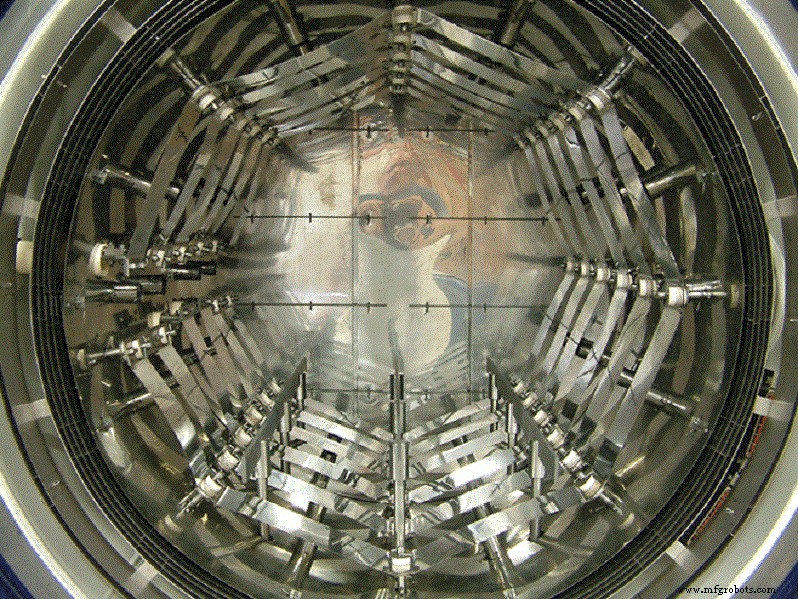
Molybdenum’s high purity, low steam pressure, and excellent high‑temperature resistance make it ideal for heating elements and structural parts in furnaces. It resists ablation in molten quartz, providing over‑one‑year service life as electrodes in the glass industry.
It also serves as a high‑temperature structural material in glass melting equipment, such as pipes and furnace components, reducing costs compared to platinum. Molybdenum silicide, with its oxidation resistance and high melting point, is widely used in electric heating elements.
6. Oil Extraction
Molybdenum is employed in drilling pipelines and, together with cobalt and nickel, serves as a catalyst for petroleum refining—particularly desulfurization of fuels, petrochemicals, and liquefied coal.
Beyond these, molybdenum alloys find use in nuclear, aerospace, and environmental protection sectors.
Conclusion
We hope this overview clarifies the versatile applications of molybdenum metal and its alloys. For deeper technical insights, visit Advanced Refractory Metals (ARM).
Based in Lake Forest, California, ARM is a global leader in refractory metals, supplying high‑quality molybdenum, molybdenum alloys, tungsten, titanium, tantalum, rhenium, and zirconium at competitive prices.
Metal
- Molybdenum‑Rhenium Alloys: High‑Temperature Performance for Aerospace, Nuclear, and Electronics
- Molybdenum and Its Alloys: Key Applications in Material Processing
- W Tungsten & Alloys: High‑Performance Applications in Steel, Heat‑Resistant Alloys, and Electronics
- Industrial Applications of Tantalum and Its Alloys
- Limestone in Iron & Steel Production: Processing, Uses, and Benefits
- Dolomite: Processing Techniques and Its Critical Role in the Iron & Steel Industry
- Understanding Copper and Its Alloys: A Trusted Guide to Conductive Materials
- Monel Alloys Explained: Key Properties and Real-World Applications
- Metal Alloys Unveiled: Yield Strength, Types, and Industrial Applications
- Top 5 Industrial Metal Alloys: Applications & Advantages