



Molybdenum‑Rhenium Alloys: High‑Temperature Performance for Aerospace, Nuclear, and Electronics
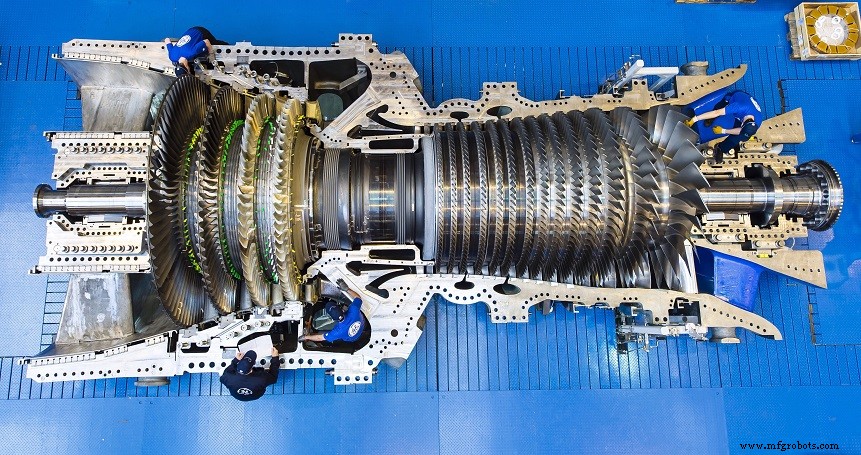
Application of Molybdenum‑Rhenium Alloys
Rhenium is the most effective alloying element for molybdenum, lowering the plastic‑brittle transition temperature, boosting room‑temperature toughness, and raising the recrystallization temperature, which in turn enhances high‑temperature strength. These improvements broaden the use of Mo‑Re alloys in aerospace, high‑temperature heating, and advanced electronics.
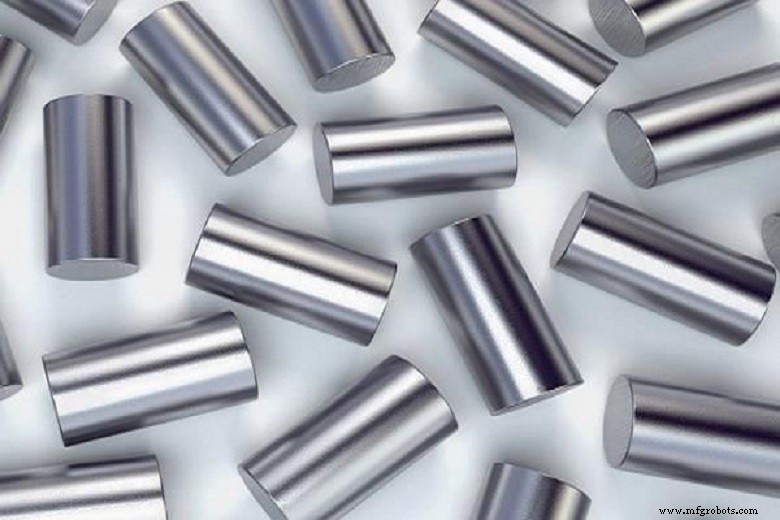
Application of Molybdenum‑Rhenium Alloys
High‑temperature strength is the decisive criterion for structural materials in thermionic energy conversion of space nuclear reactors. The French space‑reactor program employs Mo‑Re alloy cladding that tolerates peak temperatures of 1,425 K.
Mo‑47Re combines exceptional tensile strength with good ductility, enabling the manufacture of micron‑scale foil strips and ultra‑fine wire components. Rhenium’s higher resistivity and resistance to embrittlement make it ideal for high‑temperature heating elements.
Wires and sheets of Mo‑50Re can withstand operating temperatures up to 2,127 °C, and MoRe thermocouples—such as Mo‑20Re/Mo‑50Re and Mo‑20Re/Mo‑40Re—operate reliably at high temperatures in non‑oxidizing atmospheres.
Above 2,000 K, platinum‑group metals dominate temperature measurement, providing accurate readings without gas protection. Mo‑Re thermocouples (Mo‑20Re/Mo‑40Re, Mo‑20Re/Mo‑50Re) are well suited for non‑oxidizing environments like hydrogen furnaces. Because molybdenum’s carbonization rate is slower than tungsten’s, Mo‑Re thermocouples outlast W‑Re thermocouples in carbon‑rich atmospheres up to 2,000 K. The seamless value temperature of Mo‑50Re is 1,425 K.
Rhenium alloys deliver excellent electrical conductivity, wear resistance, and arc‑ablation resistance. As contact materials, their oxides maintain low contact resistance and long service life. Mo‑Re alloys are the structural material of choice for electron tubes and specialized bulbs, offering high thermal stability, thermionic emission, and electron escape in diverse gases. Even after heat treatment, they retain good plasticity, a high recrystallization temperature, robust thermoelectric performance, and mechanical shock resistance, underscoring their broad electronic applications.
Conclusion
We hope this overview deepens your understanding of molybdenum‑rhenium alloy applications. For more detailed information on molybdenum, rhenium, and Mo‑Re alloys, visit Advanced Refractory Metals (ARM).
Based in Lake Forest, California, ARM is a global leader in refractory metals and alloys. They supply high‑quality products—including molybdenum, tantalum, rhenium, tungsten, titanium, and zirconium—at competitive prices.
Metal
- TZM Alloy vs Pure Molybdenum: Performance, Properties, and Applications
- Titanium Alloys: Evolution, Applications, and Industry Impact
- Tungsten‑Copper vs. Molybdenum‑Copper Alloys: Key Differences & Applications
- Tungsten‑Rhenium Alloys: Production Techniques and High‑Temperature Applications
- Molybdenum Metal and Alloys: Key Applications Across Industries
- Tungsten Alloy in Modern Weaponry: Applications, Properties, and Global Resources
- Titanium Alloys in Maritime Applications: Enhancing Ship Performance and Durability
- Zirconium Alloys: Fundamentals, Development, and Applications
- 4 Advanced Rhenium Alloys and Their Key Applications
- Molybdenum Alloys: Composition, History, and Industrial Applications