



Zirconium Alloys: Fundamentals, Development, and Applications

Zirconium Alloys: Fundamentals, Development, and Applications
Zirconium is a silvery‑white transition metal prized for its low thermal neutron absorption cross‑section, high hardness, good ductility, and corrosion resistance. When alloyed with elements such as tin or niobium, it forms a solid solution that finds critical use in nuclear technology, particularly as cladding material for fuel rods in water‑cooled reactors. This guide provides a detailed look at zirconium alloys, covering their history, major types, welding techniques, key properties, and a range of industrial and medical applications.
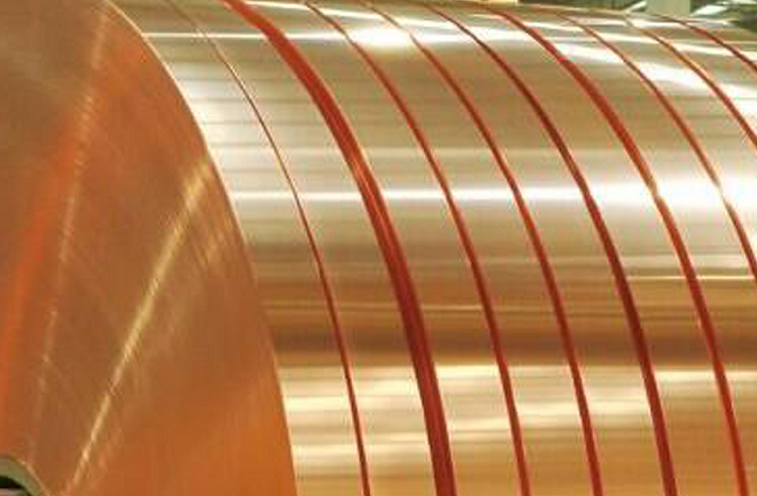
Zirconium Alloys
1. Evolution of Zirconium Alloys
In the late 1940s, the United States embarked on a research program to assess zirconium for use in water‑cooled reactors. By the mid‑1950s, the development of Zr‑2 alloy—a material with outstanding mechanical and corrosion performance—enabled its deployment as cladding in the world’s first nuclear submarine. Subsequent breakthroughs led to Zr‑4, Zr‑1Nb, and Zr‑2.5Nb alloys, each offering improved strength and resistance to high‑temperature steam.
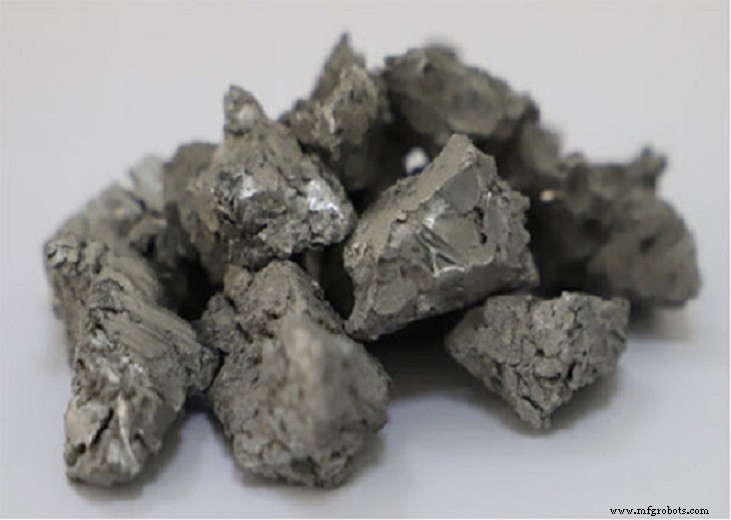
Sponge Zirconium
Today, industrial production of sponge zirconium and alloy forms is undertaken by the United States, Russia, France, Germany, Canada, and China.
2. Major Series of Zirconium Alloys
Commercially available zirconium alloys are grouped into two series:
- Zirconium‑Tin Series – e.g., Zr‑2. This series incorporates tin, iron, chromium, and nickel to enhance strength, corrosion resistance, and the thermal conductivity of the protective film, while mitigating surface sensitivity to corrosive environments.
- Zirconium‑Niobium Series – e.g., Zr‑2.5Nb. When niobium content reaches the solid‑solution limit of α‑Zr at operating temperatures, these alloys exhibit optimal corrosion resistance.
3. Welding Zirconium and Its Alloys
Zirconium and its alloys bond well through fusion welding. Tungsten inert gas (TIG) and electron‑beam welding are the most common methods. Because zirconium dust is highly flammable, strict safety protocols must be followed during machining and surface preparation.
4. Properties and Applications
Key attributes include:
- Corrosion resistance to high‑temperature (300–400 °C), high‑pressure water and steam.
- Low atomic neutron absorption cross‑section, enhancing compatibility with nuclear fuel.
- Excellent resistance to acids (HCl, HNO₃, H₂SO₄, CH₃COOH), alkalis, and salts.
- Strong affinity for oxygen and nitrogen, making zirconium and its alloys ideal as non‑evaporable getters in vacuum and bulb technologies.
- Biocompatibility, enabling use in orthopedic implants such as knee and hip prostheses, particularly the Zr‑2.5Nb alloy, which offers low friction and high wear resistance.
- Light‑emitting properties that support use in fireworks and flash devices.
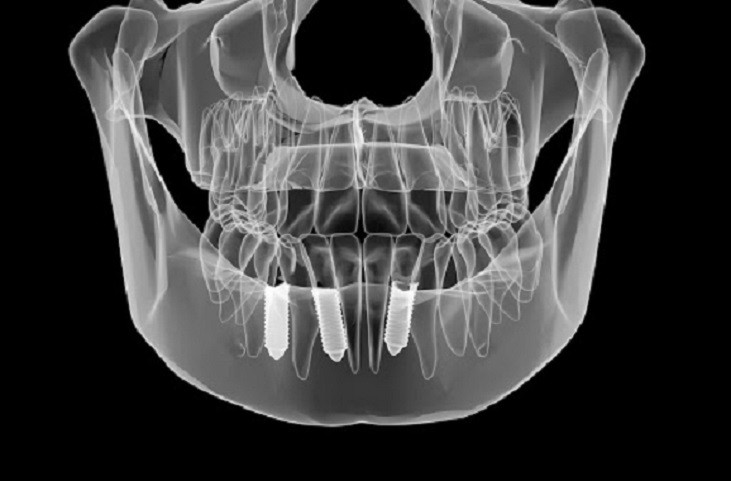
Applications of Zirconium Alloys
Conclusion
We hope this overview has deepened your understanding of zirconium alloys and their pivotal role across nuclear, industrial, and medical sectors. For further technical details, visit Advanced Refractory Metals (ARM), a leading manufacturer of high‑quality refractory metals worldwide.
ARM, headquartered in Lake Forest, California, supplies a wide range of refractory metals—including tungsten, molybdenum, tantalum, rhenium, titanium, and zirconium—at competitive prices.
Metal
- High‑Density Tungsten Alloys for Effective Gamma‑Ray Shielding
- Corrosion‑Resistant Zirconium Alloys: Key Properties & Applications
- Titanium Alloys: Evolution, Applications, and Industry Impact
- Molybdenum‑Rhenium Alloys: High‑Temperature Performance for Aerospace, Nuclear, and Electronics
- 4 Advanced Rhenium Alloys and Their Key Applications
- Molybdenum Alloys: Composition, History, and Industrial Applications
- Titanium Alloys Explained: Types, Properties & Key Applications
- Aluminum Alloys for Manufacturing: Lightweight, Durable, Versatile Solutions
- Alloy Steel Explained: Composition, Types, and Applications
- Comprehensive Guide to Machining Titanium Alloys