



5 Unexpected Ways Titanium Rods Are Used in Modern Industries
5 Unexpected Ways Titanium Rods Are Used in Modern Industries
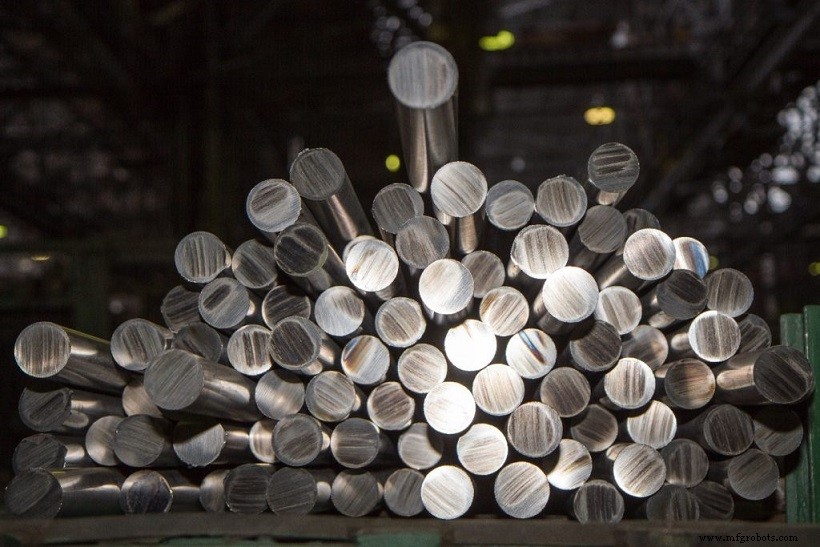
Titanium rods are renowned for their high strength-to-weight ratio, corrosion resistance, and thermal stability. These attributes make them indispensable across a spectrum of high-performance applications. Below are five areas where titanium rods play a pivotal role—some well-known, others less obvious.
Aerospace: Structural Backbone
In aviation and spaceflight, titanium rods are integral to airframe components, landing gear, and engine parts. Their lightweight nature reduces fuel consumption while their resistance to extreme temperatures ensures reliability during launch, re‑entry, and high‑speed flight. NASA and major aircraft manufacturers rely on titanium alloys to meet stringent safety and performance standards.
Consumer Electronics: Sleek, Durable Design
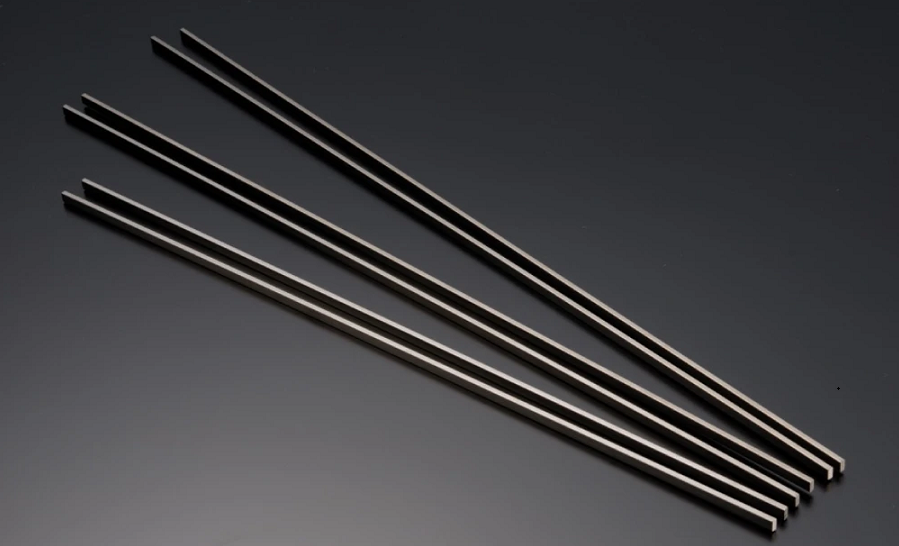
High‑end laptops and ultrabooks often feature thin titanium elements for chassis reinforcement. The metal’s subtle sheen and toughness provide a premium aesthetic without compromising portability. Apple, for instance, has incorporated titanium strips into the design of select PowerBook models, showcasing its commitment to both form and function.

Uses of Titanium Rods
Armored Vehicles: Lightweight Protection
Modern armor systems leverage titanium rods to achieve a balance between protection and mobility. By replacing heavier steel, vehicle designers can lower the center of gravity, improve fuel efficiency, and reduce wear on suspension components—all while maintaining ballistic performance.
Art and Architecture: Aesthetic and Structural Innovation
Titanium’s resistance to corrosion and its ability to be forged into intricate shapes make it a favorite for sculptors and architects. From stainless steel‑looking sculptures to structural supports in landmark buildings, titanium rods provide both visual appeal and long‑term durability. Notably, the Leaning Tower of Pisa benefits from titanium reinforcement to counteract its historic tilt.
Industrial Machinery: Reliability in Harsh Environments
Oil & gas rigs, power plants, and mining equipment often operate under corrosive and high‑temperature conditions. Titanium rods serve as critical components—piping, pumps, and pressure vessels—ensuring longevity and reducing maintenance costs. Their cost‑effectiveness stems from lower replacement frequencies and extended service life.
Conclusion
From the launchpad to the workshop floor, titanium rods prove their worth across diverse sectors. For those interested in exploring other refractory metals, Advanced Refractory Metals (ARM) offers a comprehensive catalog of titanium, tungsten, molybdenum, and more.
Headquartered in Lake Forest, California, Advanced Refractory Metals (ARM) is a leading manufacturer and supplier of refractory metals worldwide. We provide high‑quality products—including tungsten, molybdenum, tantalum, rhenium, titanium, and zirconium—at competitive prices.
Metal
- Unexpected Applications of Copper‑Tungsten Alloy
- 4 Surprising Ways Vanadium Powers Modern Industry
- Six Surprising Applications of Zirconium
- 7 Unexpected Ways Cobalt Shapes Modern Technology
- 4 Advanced Rhenium Alloys and Their Key Applications
- Titanium Wire: Applications, Types, and Industry Uses
- 6 Key Applications of Titanium in Modern Industry
- Discover 6 Hidden Asset Tag Uses That Boost Efficiency
- Titanium Investment Casting: Key Techniques, Benefits, and Expert Insights
- 5 Surprising Facts About Titanium: Strength, Weight, and More