



Indium Alloys Explained: Five Key Types and Their Applications
Indium Alloys Explained: Five Key Types and Their Applications
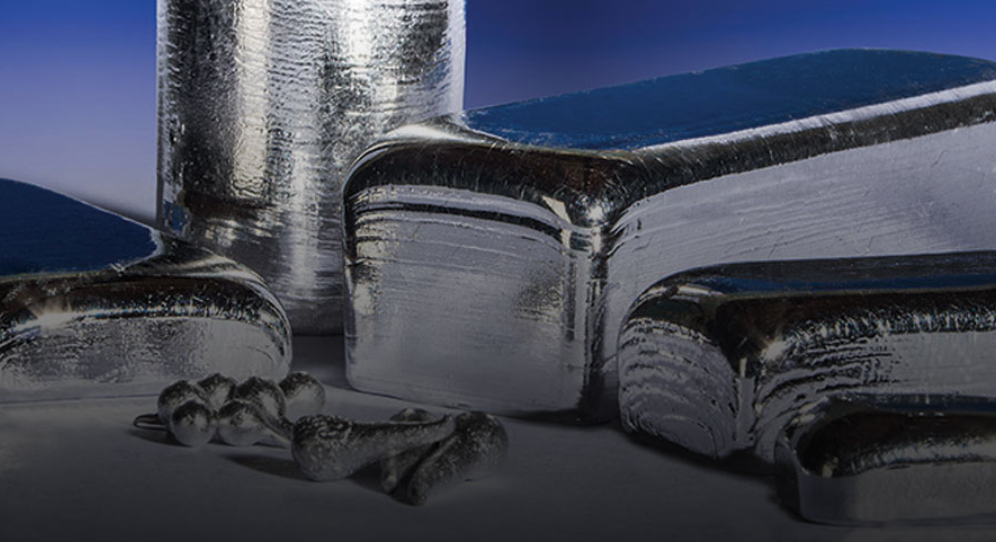
Indium is a scarce metal found in trace amounts across the Earth's crust. With a faint bluish sheen, a malleable texture, and excellent ductility, it is indispensable in aerospace, electronics, medical devices, defense, high‑tech and energy sectors. When alloyed with almost any element, indium can create a diverse array of high‑performance alloys.
Indium Alloys
Overview of Indium Alloys
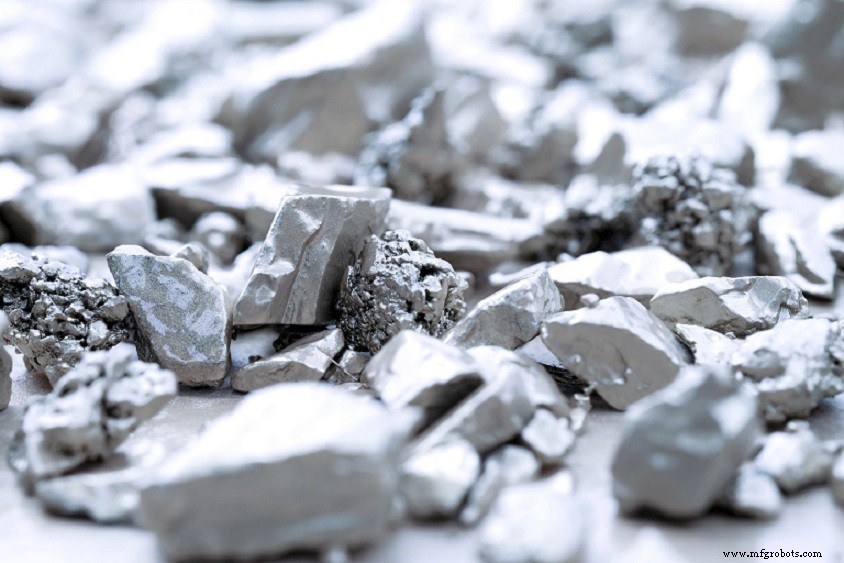
Indium alloys are typically categorized into binary, ternary, and multi‑component systems. Alloys dominated by indium tend to have low melting points, making them ideal for low‑temperature solders and soft‑metal applications. In contrast, indium added in trace amounts can dramatically enhance mechanical properties, corrosion resistance, and color of base metals.
Classification of Indium Alloys
Industry experts recognize five principal categories of indium alloys:
1. Bearing Alloys
Bearing alloys are essential for high‑speed, high‑load machinery in aviation and automotive engineering. Common compositions include:
- Silver‑Lead‑Indium (Ag‑Pb‑In)
- Lead‑Cadmium‑Indium (Pb‑Cd‑In)
- Cadmium‑Silver‑Copper‑Indium (Cd‑Ag‑Cu‑In)
- Silver‑Thallium‑Indium (Ag‑Tl‑In)
- Lead‑Tin‑Indium (Pb‑Sn‑In)
- Copper‑Tin‑Indium (Cu‑Sn‑In)
- Lead‑Tin‑Antimony‑Arsenic‑Indium (Pb‑Sn‑Sb‑As‑In)
2. Ferromagnetic Alloys
Often referred to as Heusler alloys, the most prominent ferromagnetic composition is Copper‑Manganese‑Indium (Cu‑Mn‑In), prized for its high spin polarization and temperature‑stable magnetic behavior.
3. Shape‑Memory Alloys
Indium‑Thallium (In‑Tl) and Indium‑Cadmium (In‑Cd) alloys belong to the next‑generation shape‑memory materials, offering reversible deformation with minimal hysteresis and superior corrosion resistance.
4. Decorative Alloys
Adding indium to precious‑metal matrices enhances hardness, durability, and hue. A classic example is the Au‑75/Ag‑20/In‑5 blend, popularly known as “green gold,” prized in fine jewelry for its distinctive green tint and improved wear resistance.
5. Dental and Gemstone Alloys
In dental prosthetics and gemstone applications, indium‑containing alloys typically consist of 5–65 % gold, 2–30 % palladium, 10–15 % silver, 10–15 % copper, and 0.5–5 % indium, providing optimal mechanical performance and biocompatibility.
Conclusion
Understanding the distinct types of indium alloys—and their tailored properties—enables engineers and designers to select the right material for high‑performance applications. For deeper insight into indium metallurgy and procurement, visit Advanced Refractory Metals (ARM), a global leader headquartered in Lake Forest, California, known for supplying high‑quality refractory metals such as tungsten, molybdenum, tantalum, rhenium, titanium, and zirconium at competitive prices.
Metal
- Tungsten: The Ultimate Refractory Metal – Facts, Uses, and Applications
- Unexpected Applications of Copper‑Tungsten Alloy
- Zirconium Alloys: Fundamentals, Development, and Applications
- 4 Advanced Rhenium Alloys and Their Key Applications
- Molybdenum Alloys: Composition, History, and Industrial Applications
- Four Key Superalloy Classes and Their Industrial Applications
- Titanium Alloys Explained: Types, Properties & Key Applications
- 5 Key Insights Every Business Should Know About Carbon‑Fiber Suppliers
- Exploring Metal Alloys: Key Types & Their Industrial Applications
- Unveiling Stainless Steel: Fascinating Facts You Didn't Know