



10 Key Applications of Indium in Modern Industry

10 Key Applications of Indium in Modern Industry
Indium is a silver‑white, slightly bluish metal (symbol In, atomic number 49, atomic weight 114.8). Its combination of ductility, low melting point, high boiling point, low electrical resistance, and corrosion resistance makes it indispensable across a wide spectrum of technologies. Below we explore the top ten ways indium is employed today.
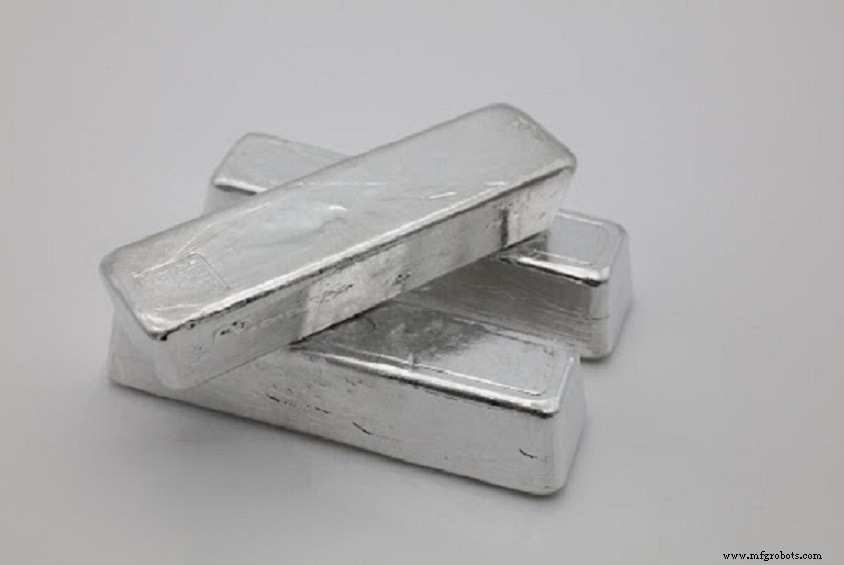
Uses of Indium
1. ITO Targets for Transparent Conductors
Indium’s excellent light permeability and conductivity allow it to form indium tin oxide (ITO), the gold standard for transparent conductive coatings on LCD and plasma displays, as well as on touch panels and gas‑sensing devices. Roughly 70 % of global indium consumption goes into ITO production.
2. Electronic Semiconductor Fabrication
The high boiling point, low resistivity, and robust corrosion resistance of indium make it a core component in semiconductor alloys and solders, especially in the manufacturing of power electronics and radio‑frequency devices.
3. Precision Contact Devices in Radio Electronics
Indium, blended with silver oxides, is used to create reliable contact elements that maintain conductivity under high pressure and temperature, essential for durable radio receivers and industrial control circuits.
4. Dental Alloys and Implants
In dental alloys, a 0.5 %–10 % indium addition enhances corrosion resistance and hardness, keeping implants white and durable while reducing wear on surrounding tissues.

Uses of Indium in the Field of Stomatology
5. Enhancing Alloy Performance
A touch of indium improves strength, ductility, wear resistance, and corrosion resistance in many base metals—earning it the nickname “alloy vitamin.” Its low melting point also allows the creation of fusible alloys (47–122 °C) used in fuses, temperature controllers, and safety devices.
6. High‑Efficiency Solar Cells
Copper‑indium‑gallium‑selenide (CIGS) thin‑film panels leverage indium’s properties to deliver high conversion efficiency under low‑light conditions, offering a low‑cost, environmentally friendly alternative to silicon photovoltaics.
7. Aerospace Gaskets and Liners
Indium’s ductility, low vapor pressure, and excellent adhesion make it ideal for sealing high‑altitude instruments and critical aerospace components, ensuring leak‑free operation in extreme environments.
8. Neutron Detectors in Nuclear Energy
Indium alloys serve as neutron indicators and control‑rod materials in nuclear reactors, providing reliable detection and regulation comparable to gallium.
9. Longevity in Industrial Bearings
Indium plating on bearing surfaces extends service life by up to five times compared with conventional coatings, reducing maintenance and downtime in heavy‑equipment applications.
10. Brazing of Sensitive Components
Fusible indium alloys are essential in brazing piezoelectric devices and multilayer integrated circuits, offering low‑temperature bonding that preserves delicate electronics.
Conclusion
We hope this overview deepens your appreciation for indium’s versatile role in today’s technology. For further details, visit Advanced Refractory Metals (ARM).
Headquartered in Lake Forest, California, Advanced Refractory Metals is a global leader in refractory metal manufacturing and supply, offering high‑quality tungsten, molybdenum, tantalum, rhenium, titanium, zirconium, and more at competitive prices.
Metal
- Iridium: Key Uses, Properties, and Industrial Applications
- Nickel: 5 Key Industrial Applications and Their Impact
- 4 Key Applications of Hafnium: From Electronics to Aerospace
- Top 10 Industrial Applications of Niobium: From Steel to Superconductors
- 6 Key Applications of Molybdenum – From Steel to Medicine
- The Top 3 Commercial Uses of Nylon: Fasteners, Cookware, and Fabric
- Flanges in Petrochemical Industries: Types, Applications, and Best Practices
- Key Insights About Gold: What You Need to Know
- Essential PCB Prototype Terms: Part 2 – Glass Transition Temperature Explained
- Top 5 Industrial Metal Alloys: Applications & Advantages