



Top 10 Industrial Applications of Niobium: From Steel to Superconductors
Top 10 Industrial Applications of Niobium
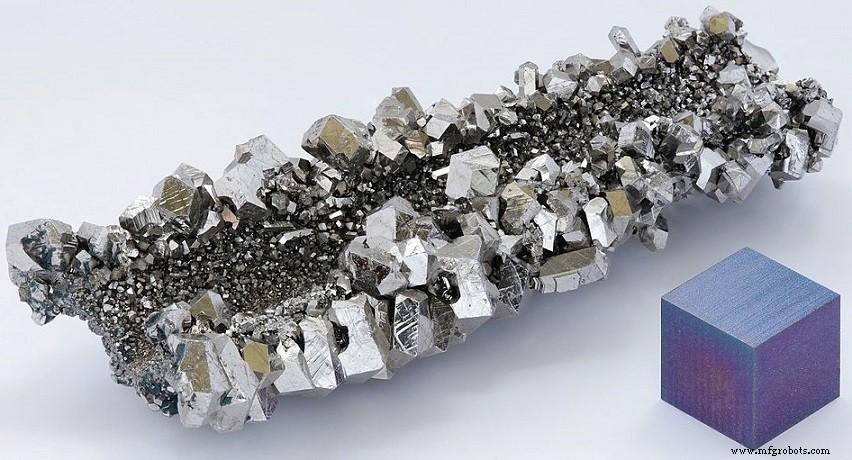
Niobium is a rare, high‑melting‑point metal that blends strength, corrosion resistance, and exceptional superconductivity. With a density of 8.57 g/cm³, a melting point of 2477 °C and a boiling point of 4744 °C, it is indispensable in many high‑performance sectors. Below we explore ten critical uses that showcase niobium’s versatility across modern industries.
Uses of Niobium
1. Steel and Iron Production
Approximately 85–90 % of global niobium supply goes into ferroniobium for steelmaking. Adding 0.03–0.05 % niobium boosts yield strength by over 30 % and improves toughness, high‑temperature oxidation resistance, corrosion resistance, weldability, and formability. Niobium also refines precipitate distribution, enabling fine‑tuned mechanical properties.
2. Superconducting Materials
Niobium‑titanium and niobium‑tin alloys are the backbone of modern superconductors, powering MRI machines, NMR spectrometers, high‑efficiency generators, and magnetic energy storage systems. Their high transition temperatures and stability make them industry standards.
3. Aerospace Engineering
High‑purity niobium is essential for rocket engines, spacecraft propulsion, and heat‑resistant aerospace components. Niobium‑tantalum heat‑strength alloys are favored for turbine blades and aero‑engine parts due to their superior thermal performance and machining ease. U.S. jet fighter engines rely heavily on niobium alloys.

Niobium in Aerospace Engineering
4. Nuclear Energy
Niobium’s low neutron capture cross‑section, high thermal conductivity, and corrosion resistance make it ideal for nuclear reactors. It serves as jacket material for fuel assemblies, alloying agent for fuel cladding, and structural component in heat exchangers.
5. Electronics and Optoelectronics
Niobate ceramics, including lithium niobate and potassium niobate, are key to capacitors, laser diodes, and infrared optics. Their piezoelectric and optical properties enable advanced sensors and communication devices. Niobium’s high melting point and electron emission capabilities also support vacuum tube manufacturing.

Niobium in Electronics
6. Medical Implants
Biocompatible and resistant to physiological corrosion, niobium is used in bone plates, cranial screws, dental implants, and surgical instruments. It tolerates sterilization processes and does not react with body fluids, ensuring patient safety.
7. Chemical Processing
Niobium’s acid resistance and stability against molten metals make it suitable for reactor vessels, heaters, and coolers. Niobium oxides serve as catalysts in various chemical transformations.
8. Foundry and Automotive Parts
In foundries, niobium promotes hard carbide formation and refines graphite morphology, improving wear resistance. Automotive applications include cylinder heads, piston rings, and brake pads. It also appears in gold and silver commemorative coins for its durability.
9. Optical Lens Production
Adding niobium to glass compositions enhances light transmittance and reduces optical aberrations, making it valuable for high‑precision lenses.
10. Lighting Systems
A 1 % zirconium‑doped niobium alloy provides high‑strength, thermally stable brackets for sodium‑vapor street lamps, resisting corrosive sodium vapor while maintaining mechanical integrity.
Conclusion
Niobium’s unique combination of mechanical, thermal, and electronic properties underpins a wide array of technologies. For further insights into niobium and other refractory metals, visit Advanced Refractory Metals (ARM), headquartered in Lake Forest, California.
Metal
- 10 Key Applications of Indium in Modern Industry
- Iridium: Key Uses, Properties, and Industrial Applications
- Nickel: 5 Key Industrial Applications and Their Impact
- 4 Key Applications of Hafnium: From Electronics to Aerospace
- 6 Key Applications of Molybdenum – From Steel to Medicine
- Niobium in Everyday Life: From Aerospace Alloys to Electronics
- Niobium: Applications in Industry, Jewelry, Gravimetry, and Orthopedic Implants
- Flanges in Petrochemical Industries: Types, Applications, and Best Practices
- Key Insights About Gold: What You Need to Know
- Top 5 Industrial Metal Alloys: Applications & Advantages