



Niobium in Everyday Life: From Aerospace Alloys to Electronics
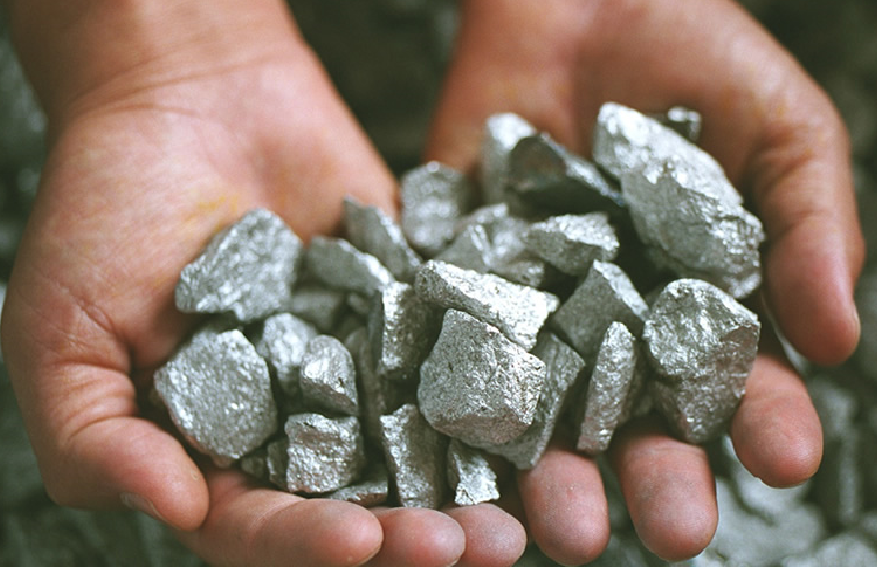
Niobium in Everyday Life
Niobium (Nb) is a lightweight, high‑melting‑point metal that is indispensable in a variety of high‑performance industries. With a melting point of 4,474 °F (2,465 °C)—just 256 °F below molybdenum—niobium’s thermal stability makes it a prime candidate for components that must endure extreme temperatures.
Its low neutron‑capture cross‑section gives niobium an edge in nuclear applications, where it can be fabricated into structural materials that retain strength at elevated temperatures while minimizing radioactive decay.
Like other refractory metals, niobium oxidizes rapidly in air above 500 °F. Over the past decade, researchers have developed specialized alloying strategies and protective coatings to mitigate this oxidation without compromising manufacturability.
Pure niobium is highly ductile and can be cold‑worked at room temperature. However, it tends to seize and gall during wire drawing, spinning, and threading, so specialized techniques are required. In contrast, niobium alloys can be extruded from 1,200 to 3,000 °F and forged at 2,300 °F, with some high‑strength grades even extrudable at room temperature when contamination is tightly controlled.
Because its density is only slightly higher than that of steel and far lower than other high‑melting metals, niobium alloys are attractive for lightweight, high‑strength applications such as airborne nuclear reactors and advanced aerospace components.
Beyond nuclear and aerospace, niobium is used in:
- Electron tubes and other electronic equipment
- Stainless steels and low‑alloy steels for corrosion resistance
- Nickel‑base superalloys and iron‑based electrical alloys for high‑temperature service
Current Niobium Alloys for Elevated‑Temperature Service
FS‑80 (Cb‑0.75Zr) · Cb‑65 (Cb‑7Ti‑0.8Zr)
FS‑82 (Cb‑34Ta‑0.75Zr) · Cb‑74 (Cb‑10W‑4Zr)
FS‑83 (Cb‑10Ta‑11W‑10Zr) · Cb‑7 (Cb‑28W‑7Ti)
F‑48 (Cb‑15W‑5Mo‑1Zr‑0.050‑0.050C) · Cb‑16 (Cb‑10W‑10Ti‑3V)
F‑50 (Cb‑15W‑5Mo‑10Zr‑5Ti‑0.050‑0.050C) · 15‑20 (Cb‑15W‑20Ta)
D‑31 (Cb‑10Mo‑10Ti) · 20‑20 (Cb‑20W‑20Ta)
Conclusion
Niobium’s unique combination of high‑temperature strength, low density, and nuclear resilience ensures its continued relevance across modern technology sectors. For deeper insights into niobium and other refractory metals, explore Advanced Refractory Metals (ARM). ARM, headquartered in Lake Forest, California, is a leading supplier of tungsten, molybdenum, tantalum, rhenium, titanium, and zirconium, delivering high‑quality refractory metals worldwide.
Metal
- Rhenium in Modern Industry: From Aerospace to Catalysts and Electronics
- Molybdenum Compounds: Key Industrial Applications and Benefits
- Key Applications of Hafnium: From Nuclear Control Rods to Advanced Alloys
- Rhenium: Key Applications and Industrial Uses of the Rare Refractory Metal
- Niobium: Applications in Industry, Jewelry, Gravimetry, and Orthopedic Implants
- Aluminum Bronze: Applications, Properties, and Advantages
- Laser Cutter Applications: From Wood to Aerospace
- CNC Routers: Applications, Benefits, and Industry Uses
- ASA Filament: A UV-Resistant 3D Printing Alternative to ABS
- Explore the Versatile Applications of 3D Printing in Industry and Healthcare