



Why Vanadium Is Classified as a Transition Metal
Why Vanadium Is Classified as a Transition Metal
Vanadium’s position in the periodic table and its distinctive electronic configuration qualify it as a transition metal. Unlike the high‑melting columbium (niobium), vanadium melts at a temperature roughly 1,000 °C lower, which limits its use in extreme‑temperature applications but makes it highly valuable for alloy development.
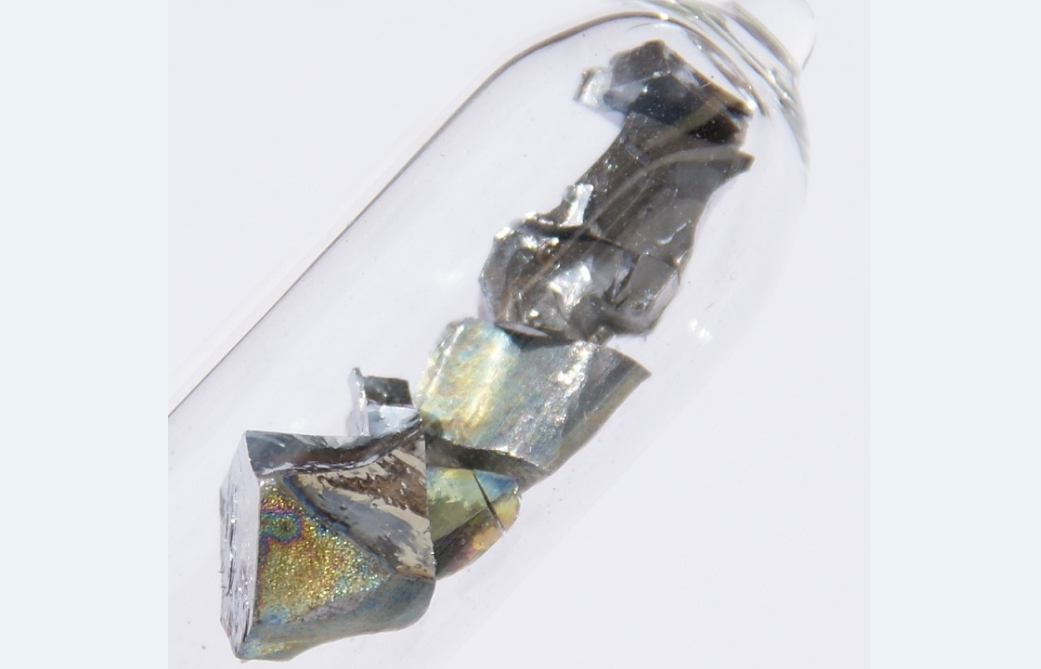
In its pure form, vanadium is remarkably ductile and resists work hardening, allowing it to be shaped at room temperature through extrusion, swaging, drawing, stamping, and machining. However, it oxidizes rapidly above moderate temperatures, so hot‑working must be performed under protective atmospheres or with a stainless‑steel jacket surrounding the ingot.
Welding of vanadium requires an inert environment; argon shielding or a sealed, protective atmosphere ensures clean joints. The metal’s low fission‑neutron cross‑section, combined with good high‑temperature strength and high thermal conductivity, makes it a candidate for structural components in fast‑neutron reactors. Additionally, vanadium foil serves as an effective bonding layer in titanium‑clad steel sheets.
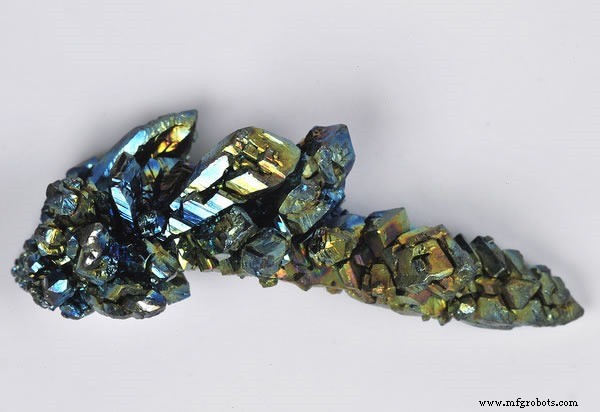
While vanadium is not widely used in standalone components today, its role as an alloying element is well established. It enhances the mechanical properties of steel, titanium alloys, and other metallic systems. The most promising alloys involve vanadium‑columbium and vanadium‑columbium‑titanium combinations, which exhibit superior strength and corrosion resistance.
Conclusion
We hope this overview clarifies why vanadium is considered a transition metal and highlights its unique properties. For more detailed information on vanadium and other refractory metals, visit Advanced Refractory Metals. We supply high‑quality vanadium and related refractory materials at competitive prices.
Metal
- How Molybdenum Wire Cuts Metal: The Science Behind Wire EDM
- Beryllium Metal: Key Properties Driving Its Use in Missile Gyroscopes
- Why Zirconium Is Classified as a Transition Metal
- Why Platinum Holds the Title of the Most Expensive Metal
- Understanding Metal Fatigue: Causes, Consequences, and Prevention
- Top Reasons Businesses Outsource Metal Fabrication Projects
- 11 Proven Metal Casting Techniques for Precision Manufacturing
- Cold Metal Transfer (CMT) Welding: The Smart Choice for Light‑Gauge Sheet Metal Fabrication
- Precision Metal Shearing Solutions for Steel & Aluminum
- Discover the Benefits of Metal Laser Cutting: Precision, Quality, and Versatility