



Why Zirconium Is Classified as a Transition Metal
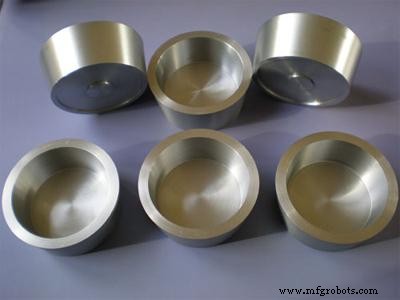
Why Zirconium Is Classified as a Transition Metal
When produced to high purity, zirconium is a soft, ductile metal that combines excellent corrosion resistance with a remarkably low absorption cross‑section for thermal neutrons. These attributes make it indispensable for structural components in nuclear reactors, particularly fuel cladding where radiation damage must be minimized. Since the onset of nuclear power after 1945, zirconium production has surged to meet these demanding requirements.
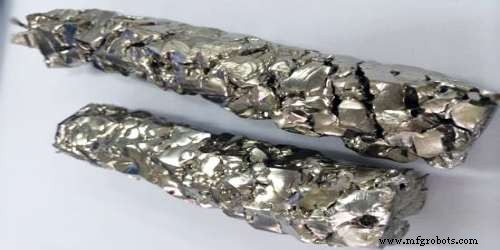
Zirconium processing stages
Zirconium is extracted from zircon sand, which also contains hafnium oxide. For reactor‑grade material, hafnium must be reduced to below 0.01 % by weight because its neutron absorption is far higher. Because zirconium and hafnium share similar chemistry, separation is challenging and relies on advanced chemical or electrolytic techniques.
The primary production routes include arc melting and powder‑metallurgical processes. The resulting ingots or compacts can be hot forged and rolled without protective atmospheres. Typical forging temperatures are approximately 1550 °F for pure zirconium and 1800 °F for Zircaloys. A final vacuum anneal refines surface properties and eliminates internal stresses.
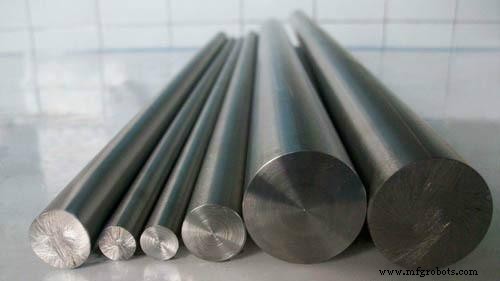
Zirconium rod tube used in reactors
Hot extrusion of zirconium occurs around 1800 °F, often within a salt bath to protect the surface during heating. Cold working and welding are also feasible in controlled atmospheres to preserve material integrity.
Specialized alloys—collectively known as Zircaloys—enhance strength and corrosion resistance across a wide temperature range. Zircaloy‑2 contains roughly 1.5 % tin, while Zircaloy‑3 has about 0.5 % tin, with trace amounts of iron, chromium, nickel, and other elements. These compositions are engineered to maintain low neutron absorption while withstanding the aggressive environments found in nuclear reactors.
Beyond the nuclear sector, zirconium metal serves in high‑corrosion environments of the chemical industry, in photoflash bulb housings, and in surgical instruments that require a combination of biocompatibility and durability.
Conclusion
Thank you for exploring the unique properties that classify zirconium as a transition metal. For further insights into zirconium and other refractory metals, visit Advanced Refractory Metals (ARM).
Headquartered in Lake Forest, California, ARM is a global leader in manufacturing and supplying high‑quality refractory metals—including tungsten, molybdenum, tantalum, rhenium, titanium, and zirconium—at competitive prices.
Metal
- How Molybdenum Wire Cuts Metal: The Science Behind Wire EDM
- Why Zirconium Is Essential for Nuclear Reactor Safety and Efficiency
- Zirconium Metal: The Industrial Powerhouse
- Beryllium Metal: Key Properties Driving Its Use in Missile Gyroscopes
- Why Platinum Holds the Title of the Most Expensive Metal
- Why Vanadium Is Classified as a Transition Metal
- Top Reasons Businesses Outsource Metal Fabrication Projects
- Cold Metal Transfer (CMT) Welding: The Smart Choice for Light‑Gauge Sheet Metal Fabrication
- Precision Metal Shearing Solutions for Steel & Aluminum
- Discover the Benefits of Metal Laser Cutting: Precision, Quality, and Versatility