



Zirconium Metal: The Industrial Powerhouse
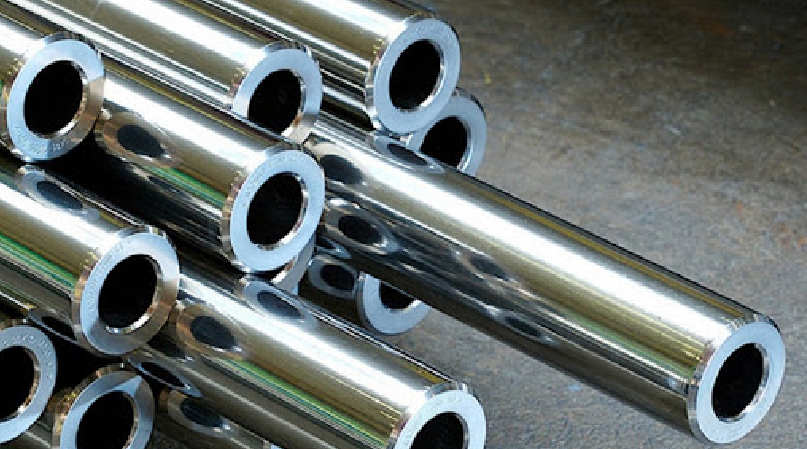
Zirconium Metal: The Industrial Powerhouse
As a high‑temperature, corrosion‑resistant refractory metal, zirconium is indispensable in aerospace, defense, nuclear reactors, and cutting‑edge industrial processes. While titanium alloys are widely used for their strength, zirconium offers a higher melting point (~1,800 °C versus 1,600 °C for titanium) and a zirconia form that withstands temperatures above 2,700 °C, giving it a decisive advantage in extreme environments.
Getter Properties
Zirconium’s affinity for reactive gases makes it a powerful getter. At temperatures above 900 °C it violently absorbs nitrogen, and even at 200 °C a mere 100 g of zirconium can uptake 817 L of hydrogen—over 800,000 times the capacity of iron. Its ability to scavenge oxygen, hydrogen, and ammonia when heated renders it ideal for vacuum systems, electron tubes, and as a protective support in high‑voltage grids.
Industrial Vitamin
In metallurgy, zirconium is often added in trace amounts (as little as 0.1 % by weight) to steel to dramatically improve hardness, strength, and resistance to deoxygenation, nitrogen, and sulfur. Zirconium‑containing steels are foundational in armored vehicles, artillery, and ballistic‑proof panels. When alloyed with copper, zirconium maintains electrical conductivity while raising the melting point, making it suitable for high‑voltage conductors. Zr‑enriched zinc‑magnesium alloys are twice as strong as conventional magnesium and are now used in jet engine components.
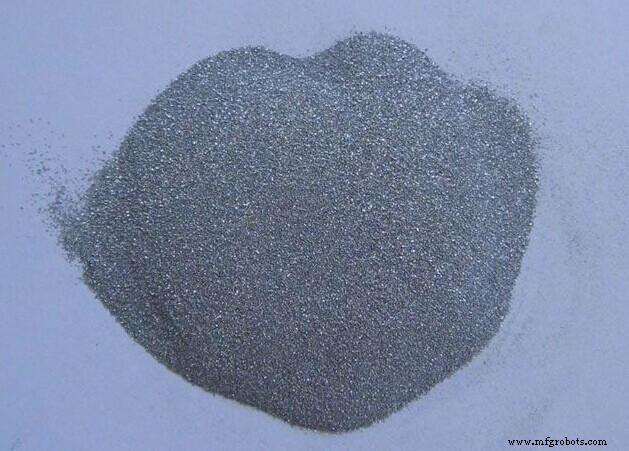
Zirconium Powder
Low‑ignition, fast‑burning zirconium powder serves as a potent starting agent for detonators, including underwater variants. Adding zirconium powder to an oxidizer dramatically increases combustion intensity, making it valuable for tracers, flares, and advanced propellants.
Zirconium Alloy
Zirconium alloys—typically combined with tin, niobium, or iron—offer excellent corrosion resistance, moderate mechanical strength, and low neutron absorption, making them ideal for the core structures of water‑cooled nuclear reactors. Their compatibility with nuclear fuel and resilience under high pressure and temperature also find applications in chemical processing equipment and pharmaceutical machinery.
Zirconium Oxide (Zirconia)
As a ceramic, zirconia excels in high‑temperature environments. It is incorporated as an additive in acid‑proof enamel and glass to enhance elasticity, chemical stability, and heat resistance. Its superior reflectance and thermal stability also make it a preferred optic material in advanced ceramics and glass.
Thank you for reading. For more detailed information on zirconium metal and its applications, visit SAMaterials.com.
Metal
- Zirconium in Nuclear Reactors: The Essential Cladding Metal
- Zirconium Applications: How This Rare Metal Shapes Modern Technology
- Why Zirconium Is Essential for Nuclear Reactor Safety and Efficiency
- Zirconium: From Ancient Gem to Modern Metal—A Historical Overview
- Why Zirconium Is Classified as a Transition Metal
- Choosing the Best Industrial Binder‑Jetting 3D Printers: Top 5 Picks
- Plates vs. Sheets: Understanding the Key Differences in Steel and Aluminum
- Industrial Automation on the International Space Station: Powering Daily Operations
- 7 Steps to Manage the Full Life Cycle of a Used Industrial Machine
- Top Metals for Fabrication: Strength, Conductivity & Corrosion Resistance