



Zirconium: From Ancient Gem to Modern Metal—A Historical Overview
Zirconium: From Ancient Gem to Modern Metal—A Historical Overview
In this article we explore the fascinating journey of zirconium, tracing its roots from a prized gemstone to a vital industrial metal.
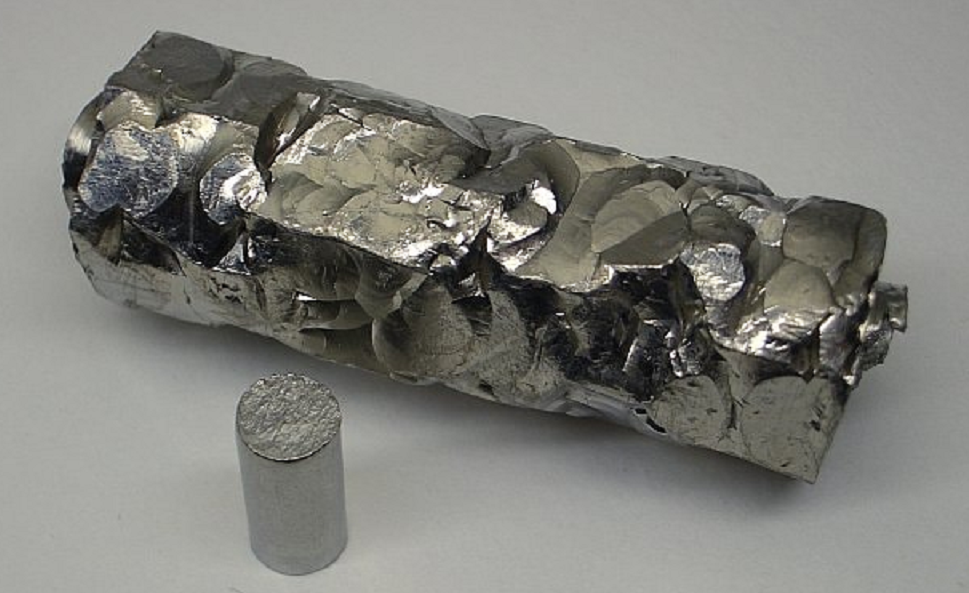
Zircon, named after the mineral zircon (ZrSiO4), has dazzled humans for centuries. Its wide spectrum of colors—from deep orange to clear, diamond‑like brilliance—made it a favorite in jewelry, even appearing among the 12 precious stones mentioned in biblical texts.
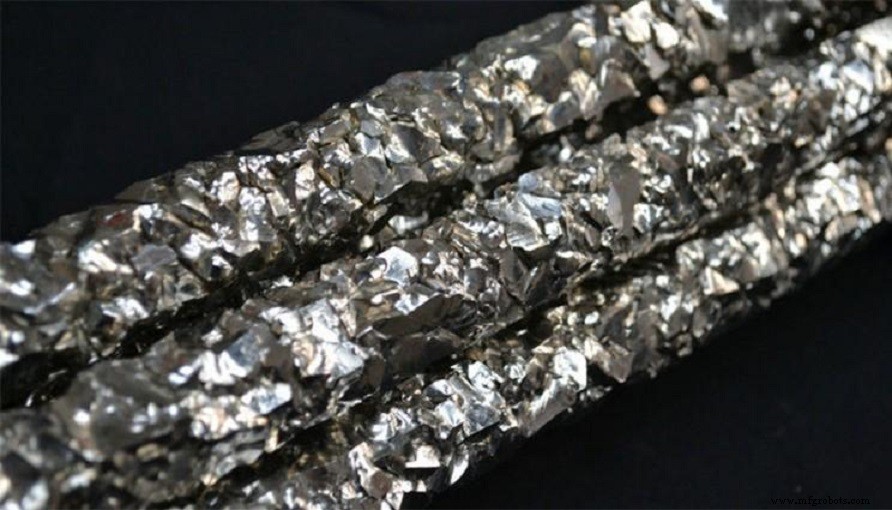
The Discovery of Zirconium
While zircon was revered for its beauty, its true chemical identity remained elusive until the late 18th century. German chemist Martin Heinrich Klaproth demonstrated in 1789 that zircon was not diamond. By heating zircon with sodium hydroxide, Klaproth produced an oxide he identified as a new element, which he named zirconium.
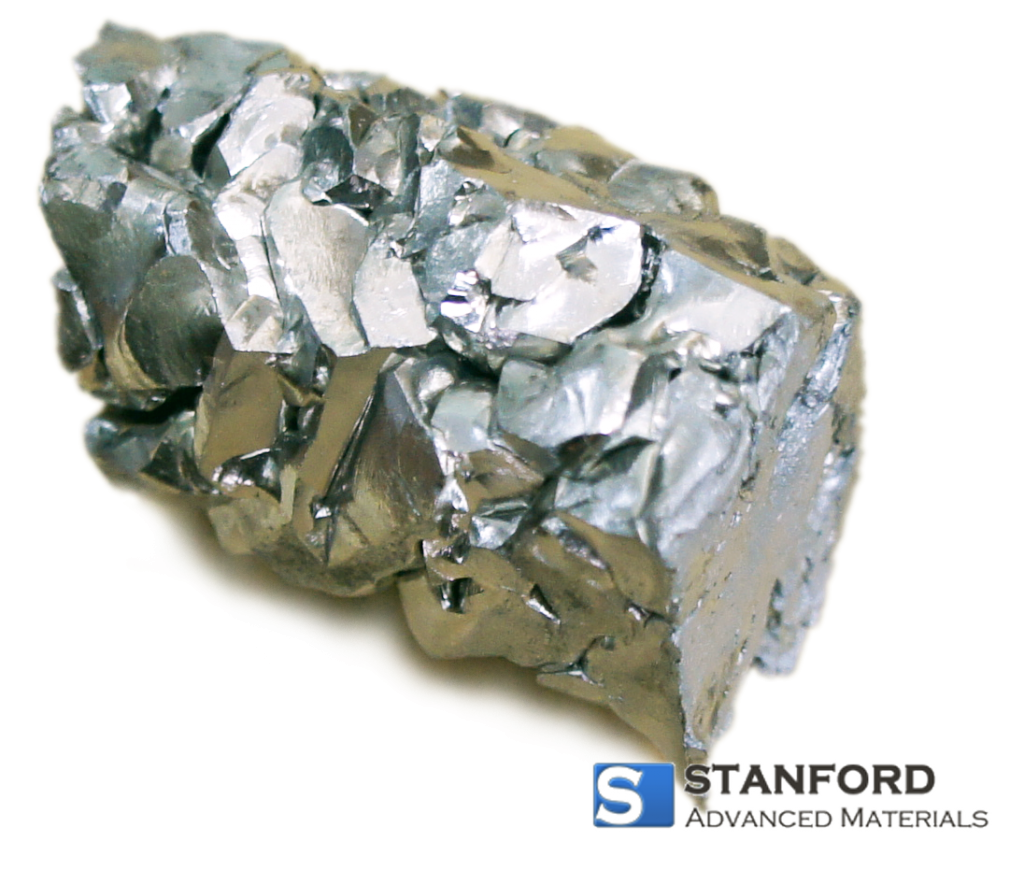
The Discovery of Zirconium
Extracting pure zirconium proved challenging because its chemistry closely mirrors that of hafnium, a neighboring element that co‑occurs in natural ores. Klaproth’s work laid the groundwork, but it wasn’t until 1824 that Swedish chemist Jöns Jacob Berzelius successfully isolated zirconium powder with an impressive 93% purity—an achievement that stood unmatched for nearly a century.
Berzelius employed a high‑temperature reduction of a potassium‑zirconium fluoride mixture inside a sealed iron tube. This breakthrough set the stage for modern extraction methods.
Today, zirconium is predominantly obtained through the Kroll Process, which reduces zirconium tetrachloride (ZrCl4) to metallic zirconium using magnesium. The resulting metal is essential in a range of high‑temperature, corrosion‑resistant applications—from nuclear reactors to aerospace components.
Conclusion
We hope you enjoyed this look into zirconium’s remarkable history. For more information on zirconium and other refractory metals, visit Advanced Refractory Metals, where we offer high‑quality products at competitive prices.
Metal
- Zirconium in Nuclear Reactors: The Essential Cladding Metal
- Corrosion‑Resistant Zirconium Alloys: Key Properties & Applications
- Zirconium Dioxide (Zirconia): Key Properties & Industrial Applications
- Zirconium Alloys: Fundamentals, Development, and Applications
- Zirconium Applications: How This Rare Metal Shapes Modern Technology
- Zirconium Metal: The Industrial Powerhouse
- Applications of Zirconium‑Containing Refractories: Performance, Use Cases, and Benefits
- The Accidental Discovery of Cadmium: From Zinc Ore to Toxic Heavy Metal
- Zirconium: From Mineral Origins to Nuclear Reactor Applications
- UGI® 4313 +A: High‑Performance Low‑Carbon Nickel‑Alloyed Martensitic Stainless Steel