



Beryllium Metal: Key Properties Driving Its Use in Missile Gyroscopes
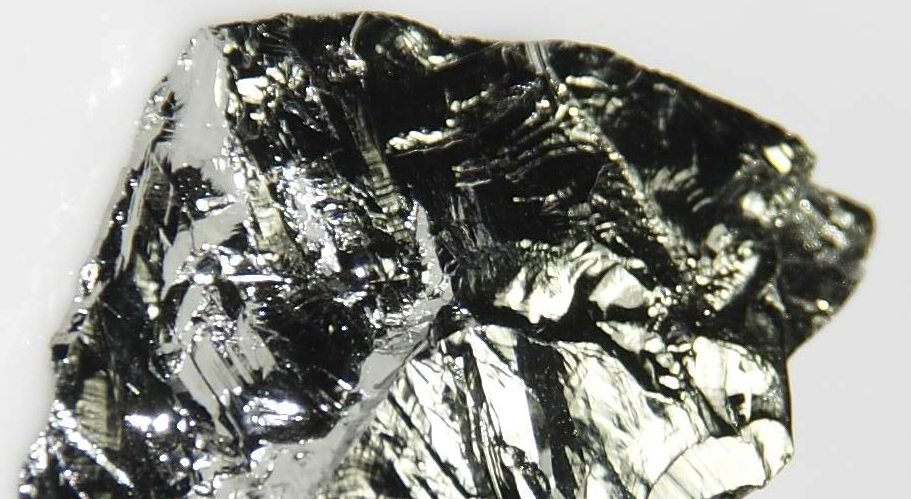
Why Beryllium Metal Is Ideal for Missile Gyroscopes
Beryllium is a unique metal whose physical and nuclear characteristics set it apart from conventional alloys such as steel, titanium, and aluminum. Its growing adoption spans aerospace, nuclear, automotive, and electronics sectors, with missile technology benefiting the most from its exceptional performance.
Why Beryllium Metal Is Ideal for Missile Gyroscopes
Three Core Advantages of Beryllium
- Superior Thermal Conductivity: Beryllium’s thermal conductivity is roughly three times that of steel and five times that of copper, ensuring even heat distribution in high‑speed gyroscope rotors. Its coefficient of thermal expansion is less than half of magnesium, minimizing deformation under temperature fluctuations.
- Exceptional Mechanical Strength: With an elastic modulus three times that of titanium, aluminum, and magnesium—and five to seven times higher than the respective materials—beryllium delivers a 1.7× higher specific strength than aluminum alloys, 2.1× that of magnesium alloys, and 1.5× that of steel. Replacing conventional alloys in a three‑stage missile’s inertial navigation system can reduce weight by several kilograms, lightening the overall guidance payload.
- Outstanding Stability & Corrosion Resistance: Beryllium maintains structural integrity even after repeated stress cycles, a critical feature for maintaining gyro centroid accuracy to within micro‑scale tolerances. Its natural oxidation layer protects the surface without additional treatments, outperforming many stainless steels.
These properties make beryllium the preferred material for precision gyroscopes in long‑range missile systems, where weight, heat management, and mechanical reliability directly impact performance.
To learn more about beryllium and its applications, visit Advanced Refractory Metals (ARM).
Nickel‑Titanium Alloys (Nitinol): Composition, Phases, and Shape‑Memory Properties
Zirconium: From Ancient Gem to Modern Metal—A Historical Overview
Metal
- How Molybdenum Wire Cuts Metal: The Science Behind Wire EDM
- Why Zirconium Is Classified as a Transition Metal
- Why Vanadium Is Classified as a Transition Metal
- Why IPv6 Is Critical for the Future of IoT
- Why Plastic Bearings Outperform Metal: 6 Key Advantages
- Niobium: Applications in Industry, Jewelry, Gravimetry, and Orthopedic Implants
- 6 Proven Strategies to Keep Your Iron and Steel Rust‑Free
- Deburring in Metal Fabrication: Enhancing Precision, Safety, and Performance
- Why Hybrid Cloud is Essential for Manufacturers: 4 Key Advantages
- Three Essential Metals for Precision Fabrication: Carbon Steel, Stainless Steel, and Aluminum