



Nickel‑Titanium Alloys (Nitinol): Composition, Phases, and Shape‑Memory Properties
Nickel‑Titanium Alloys (Nitinol): Composition, Phases, and Shape‑Memory Properties
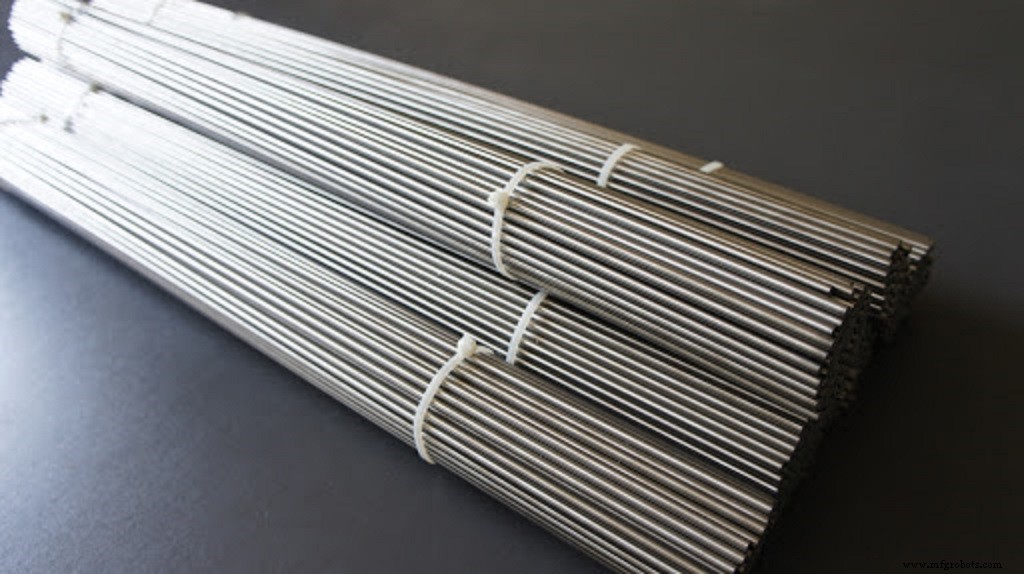
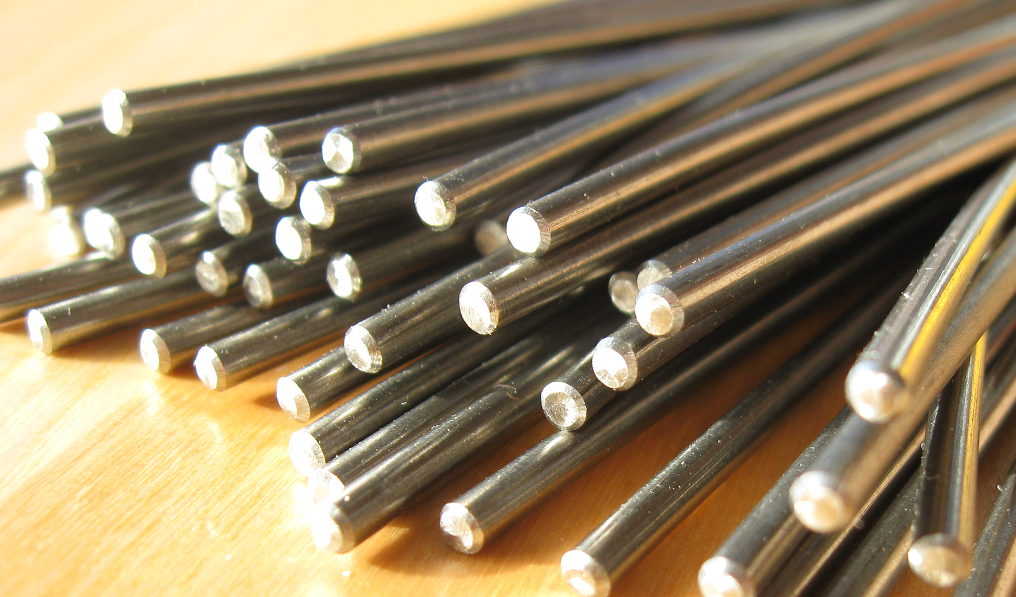
Nickel‑titanium alloy, commonly called Nitinol, is a binary alloy composed of roughly equal atomic percentages of nickel and titanium. Commercial grades such as Nitinol 55 and Nitinol 60 have a Ni/Ti ratio close to 55/45 and 60/40, respectively, giving them a unique combination of mechanical and functional properties.
Nickel‑Titanium Alloy microstructure
The alloy can exist in two crystalline states that are temperature‑dependent: the high‑temperature austenitic phase and the low‑temperature martensitic phase. When heated above the austenite finish temperature (Af), the material transforms fully into the austenitic phase. Cooling below the martensite finish temperature (Mf) reverses the transformation.
Transformation Temperatures
The transition is defined by four key temperatures:
- As – Austenite start: temperature at which austenite begins to form during heating.
- Af – Austenite finish: temperature at which austenite is fully formed during heating.
- Ms – Martensite start: temperature at which martensite begins to form during cooling.
- Mf – Martensite finish: temperature at which martensite is fully formed during cooling.
Because of thermal hysteresis, As ≠ Mf and Af ≠ Ms, which is essential for the material’s functional behavior.
Shape‑Memory Effect (SME)
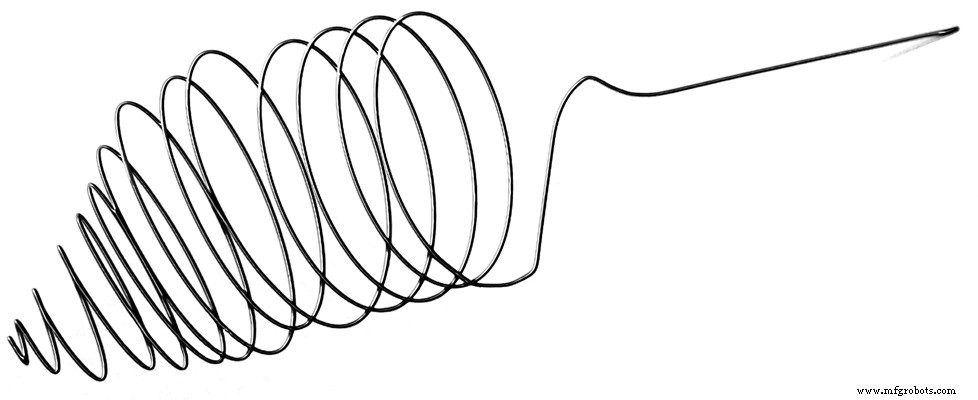
The SME is a thermally induced phase transformation that allows Nitinol to recover a pre‑set shape when heated above its transition temperature. A deformed martensitic specimen cools below Mf, locks into a new shape, and then returns to its original configuration upon reheating past Af.
This effect is widely used in medical devices, actuators, and adaptive structures.
Superelasticity (SE)
When operating in the austenitic phase at room temperature, Nitinol exhibits superelasticity: it can sustain large strains (up to ~8%) under load and recover almost fully when the load is removed. Unlike the SME, this property does not require temperature changes and arises from stress‑induced martensitic transformation.
The superelastic limit far exceeds that of conventional metals and makes Nitinol ideal for stent fabrication, orthodontic wires, and vibration dampers.
Applications and Further Reading
For more information on Nitinol and other high‑performance alloys, visit Advanced Refractory Metals, where we offer a range of premium refractory metals at competitive prices.
Thank you for reading. We hope you found this overview helpful and encourage you to explore the many possibilities of nickel‑titanium alloys in modern engineering.
Metal
- Nitinol: The Shape‑Memory Alloy Driving Innovation
- Alloy 31 Stainless Steel Plate – Superior Strength & Ductility for Extreme Environments
- Alloy 36 (Invar®): Precision Low‑Expansion Nickel‑Iron Alloy
- AuGe12: Premium Gold-Based Soft Solder Alloy
- Rhenium: The Ultra‑High‑Density Metal for Filaments and Refractory Applications
- Alloy 718 – High‑Performance Nickel‑Chromium Steel
- 5252-O: High-Purity, Non-Heat-Treatable Aluminum Wrought Alloy for Superior Brightening and Anodizing
- AA 2219 T3 Aluminum Alloy – Superior Strength & Heat Resistance
- AA 2219 T8 Aluminum Alloy – High Strength, Heat‑Resistant, Ideal for Advanced Metalworking
- Alloy 52 Plate – High-Performance Nickel-Iron Composite for Industrial Applications