



Nitinol: The Shape‑Memory Alloy Driving Innovation
Nitinol: The Shape‑Memory Alloy Driving Innovation
Nitinol—short for nickel‑titanium—has been a cornerstone of modern engineering since the 1960s. Its unique ability to recover a pre‑set shape when heated, coupled with superelastic behavior, makes it indispensable across multiple high‑performance sectors.
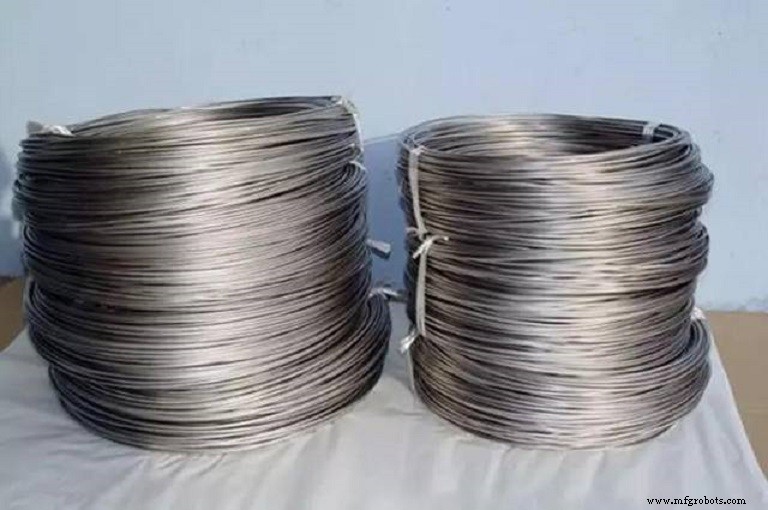
Nitinol Wire
Key Properties of Nitinol
- Shape Memory: When deformed at room temperature and subsequently heated above its transformation temperature (typically 55–80 °C), Nitinol returns to its original geometry.
- Superelasticity: At temperatures above the austenite finish point, the alloy can undergo large strains (~6–8 %) and recover fully upon unloading.
- Corrosion Resistance: Its surface forms a passive TiO₂ layer that outperforms even high‑grade stainless steels in biomedical and marine environments.
- Biocompatibility: The TiO₂ barrier limits nickel ion release, allowing widespread use in implantable devices while adhering to ISO 10993 standards.
- Shock Absorption: Nitinol’s elastic modulus (≈30–40 GPa) and damping properties reduce vibration energy, making it ideal for vibration‑critical applications.
Applications Across Industries
Aerospace
From adjustable landing‑gear joints to antenna positioning actuators, Nitinol’s resilience to temperature extremes and fatigue makes it a preferred material in aircraft and spacecraft components.
Automotive
Engine cooling fans, variable valve timing actuators, and adaptive suspension linkages all benefit from Nitinol’s shape‑memory and low‑friction characteristics.
Medical Devices
Endovascular stents, orthodontic archwires, and minimally invasive surgical tools rely on Nitinol’s predictable shape change and biocompatibility. Clinical trials have validated devices such as self‑expanding aneurysm clips and micro‑pump elements for artificial kidneys.
Consumer Products
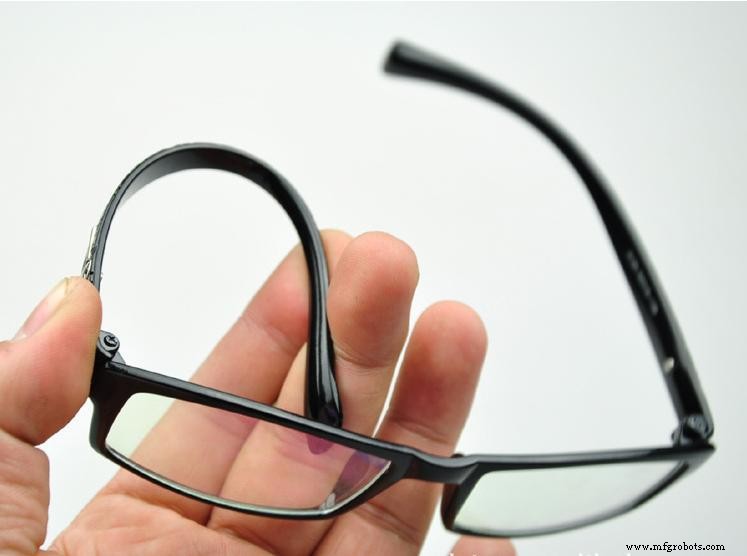
From flexible eyewear frames to high‑performance fishing lines, Nitinol’s versatility is also visible in everyday items that demand durability and adaptability.
Future Outlook
Despite challenges like surface oxidation and higher material costs, ongoing research in surface coatings, alloy composition, and manufacturing techniques is steadily expanding Nitinol’s application horizon.
For more detailed technical data and supply information, visit Advanced Refractory Metals (ARM), a leading global supplier of titanium and related alloys.
Metal
- Nitinol: The Shape‑Memory Alloy Driving Innovation
- Nickel‑Titanium Alloys (Nitinol): Composition, Phases, and Shape‑Memory Properties
- Shape Memory Materials: How They Bend, Rebound, and Transform Under Heat
- 7 Cutting‑Edge Tech Trends Revolutionizing Modern Engineering
- Alloy 31 Stainless Steel Plate – Superior Strength & Ductility for Extreme Environments
- Alloy 718 – High‑Performance Nickel‑Chromium Steel
- AA 2219 T3 Aluminum Alloy – Superior Strength & Heat Resistance
- AA 2219 T8 Aluminum Alloy – High Strength, Heat‑Resistant, Ideal for Advanced Metalworking
- Alloy 52 Plate – High-Performance Nickel-Iron Composite for Industrial Applications
- Alloy 52 Bar: High-Performance Nickel-Iron Steel with Superior Strength