



Why Platinum Holds the Title of the Most Expensive Metal
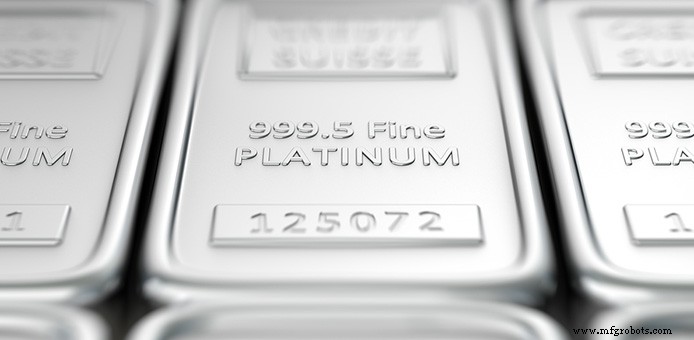
Why Platinum Holds the Title of the Most Expensive Metal
The platinum‑group metals—platinum, osmium, iridium, ruthenium, rhodium, and palladium—are renowned for their extraordinary high melting points and exceptional resistance to corrosion. These refractory metals are scarce and command premium prices, with platinum often topping the list as the world’s most expensive metal.
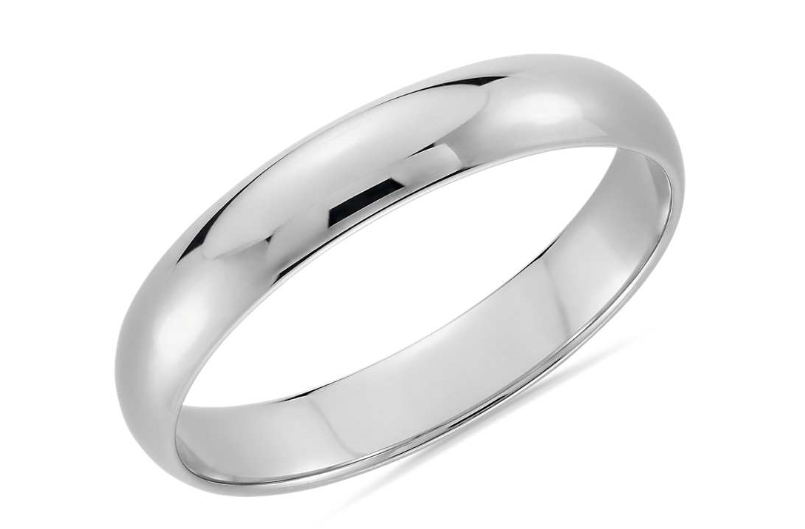
Why Platinum Is The Most Expensive Metal
Because of their exceptional properties, platinum‑group metals are reserved for highly specialized applications. Over the decades they have become indispensable in laboratories, aerospace, and advanced manufacturing.
Common uses include laboratory apparatus, glass‑fiber production, spinnerets for viscose rayon, chemical reactors, electrical contacts, spark‑plug electrodes, catalysts, thermocouples, resistance thermometers, heating elements, dental instruments, jewelry, pen nibs, phonograph needles, and cathodic protection systems.
Even trace additions dramatically enhance performance. For example, adding just 0.1 % platinum or palladium to titanium substantially raises its resistance to boiling hydrochloric and sulfuric acids. Similarly, 0.1 %–1 % platinum or palladium in stainless steel markedly improves corrosion resistance in sulfuric environments. Roughly 40 % of the total consumption of platinum‑group metals is platinum itself, while palladium accounts for about 57 %.
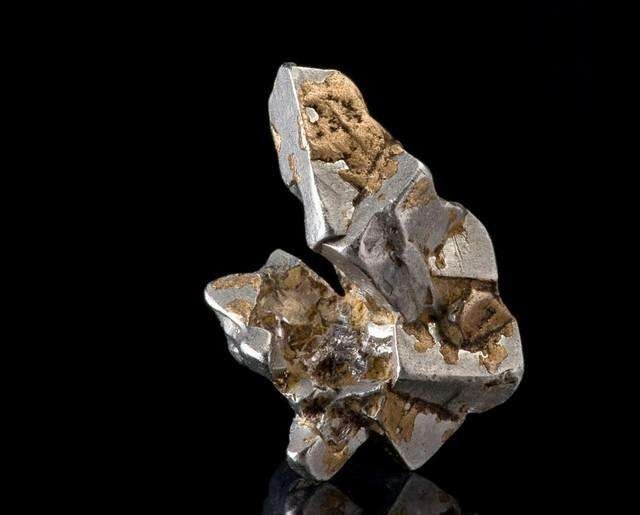
Platinum metal
Their high melting points and oxidation resistance make these metals ideal for high‑temperature alloys. While research continues into broader applications, scarcity limits widespread adoption.
Platinum and rhodium are frequently explored as protective coatings—for instance, platinum cladding can shield molybdenum from oxidation, though the cost pushes researchers toward less expensive plating alternatives. Rhodium is prized for its superior oxidation resistance and high‑temperature strength. Osmium poses handling challenges because its oxide is highly toxic.
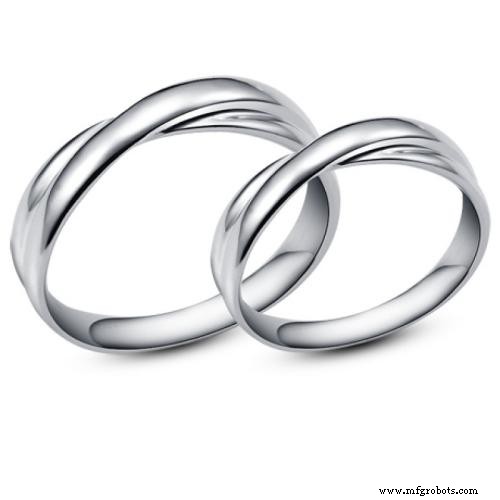
Platinum ring
Processing these metals demands specialized techniques due to their cost and the minute quantities involved. Melting is typically performed with torches or induction heating in lime or zirconia crucibles, either in air, a protective atmosphere, or vacuum. Platinum and palladium are commonly available as sheets, foils, wire, or ribbon, whereas ruthenium and osmium are too hard and brittle for hot working.
A wide array of platinum‑group alloys has been engineered for specific roles, often prioritizing chemical resilience over structural strength. Consequently, this article focuses on functional applications rather than mechanical properties.
Thank you for exploring the reasons behind platinum’s status as the most expensive metal. For deeper insights into platinum and its applications, visit Samaterials Platinum Overview.
Metal
- Tungsten: The World’s Most Refractory Metal and Its Applications
- Tungsten: Properties, Applications, and Industry Overview
- The Complete Brass Recycling Process: From Scrap to New Products
- Key Metals in Modern Architecture: A Comprehensive Overview
- Top Eco-Friendly Metals for Sustainable Manufacturing
- Top Corrosion-Resistant Metals for Industrial Success
- Top High‑Temperature Metals for Industrial Applications
- Top 5 Everyday Uses of Copper: From Kitchenware to Industry
- Key Metals That Make Modern Aircraft Strong, Lightweight, and Reliable
- Maximizing Profitability in Metal Machining: Cost‑Efficiency and Quality