



Abundant Refractory Metals: Properties, Applications, and Emerging Technologies
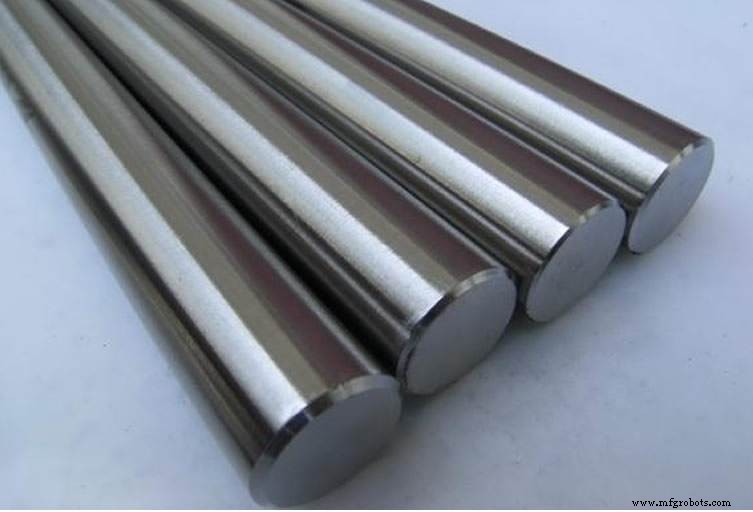
Abundant Refractory Metals: Properties, Applications, and Emerging Technologies
Tungsten, tantalum, molybdenum, niobium, vanadium, and chromium are considered abundant refractory metals, each with global reserves exceeding 100,000 tons.
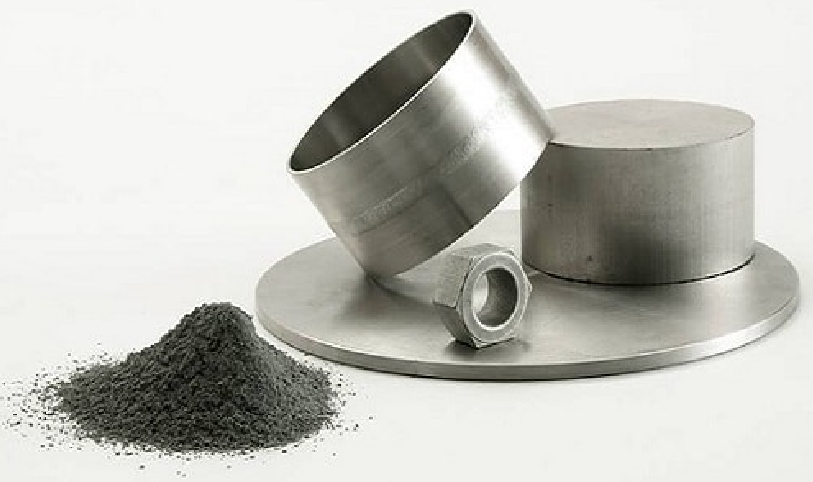
Abundant Refractory Metals
While all six elements share high melting points, the first four—tungsten, tantalum, molybdenum, and niobium—excel in temperatures above 2000 °F, making them prime candidates for ultra‑high‑temperature engineering. These materials are already integral to rocket nozzles, hypersonic re‑entry vehicle heat shields, advanced gas turbines, and ramjet engines.
Refractory Metal Bars
Tungsten and molybdenum have long served as alloying agents in steels, while tungsten, molybdenum, and vanadium also find use in the lamp and electron‑tube industries. Commercially pure tantalum, known for its corrosion resistance, has been employed in chemical‑process equipment for decades.
It was only after World War II that these metals were seriously explored as standalone high‑temperature structural materials. Today, a significant share of their production is directed toward such applications.
Recent decades have seen a growing demand for structural materials that outperform nickel‑ and cobalt‑based alloys in power and efficiency. This has spurred extensive R&D into the performance of abundant refractory metals at elevated temperatures.
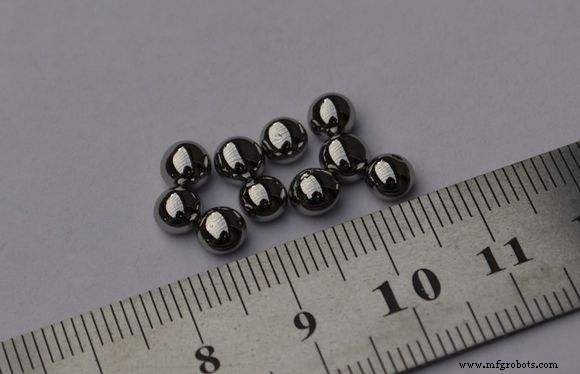
Refractory Metals
Challenges—low‑temperature brittleness (except for tantalum and niobium), oxidation at high temperatures, purity control, and difficulties in forging and welding—have historically limited their use. Nevertheless, advances in melting, purification, consolidation, coating, fabrication, and welding have mitigated many of these issues, allowing several alloys to enter high‑temperature service.
Future research will refine our understanding of their properties, enabling precise predictions of performance in demanding environments.
For more technical details, visit SAMaterials.
Metal
- Refractory Metals & Alloys: Essential High‑Temperature Materials for Aerospace
- Refractory Metals: Key Properties and Industrial Applications
- Rhenium: A Rare Refractory Metal with Strategic Value
- Top 5 Strategic Metals Shaping Modern Defense & Aerospace
- What Are Refractory Metals? An Expert Overview of Their Properties and Applications
- Key Properties of Refractory Metals – What You Need to Know
- Why Non‑Ferrous Metals Matter: Key Advantages for Industry
- Top Corrosion-Resistant Metals for Industrial Success
- Essential Construction Metals: Strength, Durability, and Design
- Maximizing Profitability in Metal Machining: Cost‑Efficiency and Quality