



Why Tantalum Is a Cornerstone of High‑Performance Materials
Why Tantalum Is a Cornerstone of High‑Performance Materials
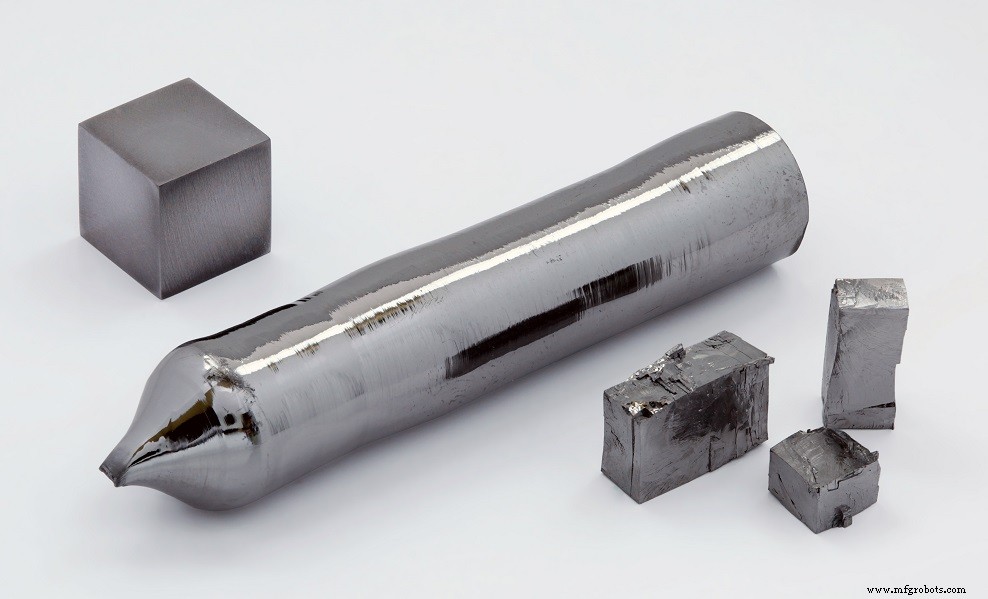
Tantalum naturally occurs alongside columbium (niobium) in mineral deposits. As demand for columbium grows, so does the availability of tantalum concentrates. Through a meticulous separation and reduction process, both metals are extracted as fine powders. These powders are pressed into billets and vacuum‑sintered by passing high currents, similar to the consolidation of tungsten. The resulting ingots are cast in consumable‑electrode vacuum‑arc or electron‑beam furnaces, then cold‑worked—thanks to tantalum’s exceptional room‑temperature ductility. Subsequent annealing is performed in vacuum furnaces to preserve purity.
Oxidation Resistance
Pure tantalum oxidizes more rapidly than tungsten when exposed to air at high temperatures. Therefore, any tantalum component intended for elevated‑temperature service must be housed in a high‑vacuum environment (≈ 1 × 10⁻⁴ mm Hg). For example, tantalum foil can serve as a heating element at temperatures beyond those achievable with molybdenum foil, provided the vacuum condition is met.
Superior Ductility and Toughness
Compared with other refractory metals, pure tantalum and several of its alloys exhibit outstanding ductility and toughness. These materials remain highly ductile down to –423 °F, allowing them to be rolled and fabricated at room temperature. Moreover, tantalum resists work hardening, enabling significant reductions through rolling or swaging between anneals.
Corrosion Resistance
Below 300 °F, tantalum demonstrates exceptional resistance to a wide range of corrosive media, making it a go‑to material in chemical‑process equipment. Even at temperatures approaching 500 °F, it resists oxidation by air. In inert atmospheres, tantalum containers can safely hold molten sodium, potassium, and other metals at temperatures up to 2200 °F without degradation.
Electrolytic Applications
The naturally forming oxide film on tantalum possesses excellent dielectric properties, which is why tantalum is the preferred material for electrolytic capacitors. The same oxide layer also enables tantalum to function as a rectifier in electrical circuits. Additionally, tantalum’s low vapor pressure, ease of forming, and weldability make it indispensable in vacuum tubes and other electronic components.
Alloy Development
Ongoing research focuses on enhancing high‑temperature strength and reducing oxidation rates. Promising alloying partners include tungsten, molybdenum, columbium, vanadium, hafnium, chromium, zirconium, titanium, and aluminum. Tantalum has already proven effective as an alloying element in high‑temperature steels and superalloys.
Conclusion
Thank you for exploring the critical role of tantalum in modern technology. For more in‑depth information on tantalum and other refractory metals, visit Advanced Refractory Metals. We supply premium tantalum products and a broad range of refractory metals at competitive prices.
Metal
- Why Platinum Holds the Title of the Most Expensive Metal
- Molybdenum: A Superior Electrical Conductor and Heat Transfer Material
- Which Metals Are Best for Welding? Factors, Methods, and Supplier Tips
- Warehouse Optimization: Definition, Benefits, and Key Strategies
- Why the Automation Industry Matters in Industry 4.0
- Why Uniform Wall Thickness Matters in Injection Molding
- ISO Certification: Ensuring Quality and Trust in Metal Products
- The Critical Role of Design for Manufacturing (DFM) in Hardware Success
- Why Air Quality Matters: Protecting Your Systems and Products
- Why ISO Certification Matters: Boosting Quality, Compliance, and Global Credibility