



Molybdenum: A Superior Electrical Conductor and Heat Transfer Material
Molybdenum: A Superior Electrical Conductor and Heat Transfer Material
Molybdenum: A Superior Electrical Conductor and Heat Transfer Material
In advanced manufacturing, refractory metals—such as tungsten, molybdenum, tantalum, and niobium—stand out for their extraordinary resilience. With melting points above 3,000 °C, these metals endure the most demanding thermal environments, yet they remain challenging to mine and process.
At Advanced Refractory Metals (ARM), we bring more than twenty years of powder‑metallurgy expertise to the production of high‑purity molybdenum powders, precision billets, and finished components that drive modern high‑tech industries.
Why Molybdenum Is Ideal for Heat Conduction and Electrical Conductivity
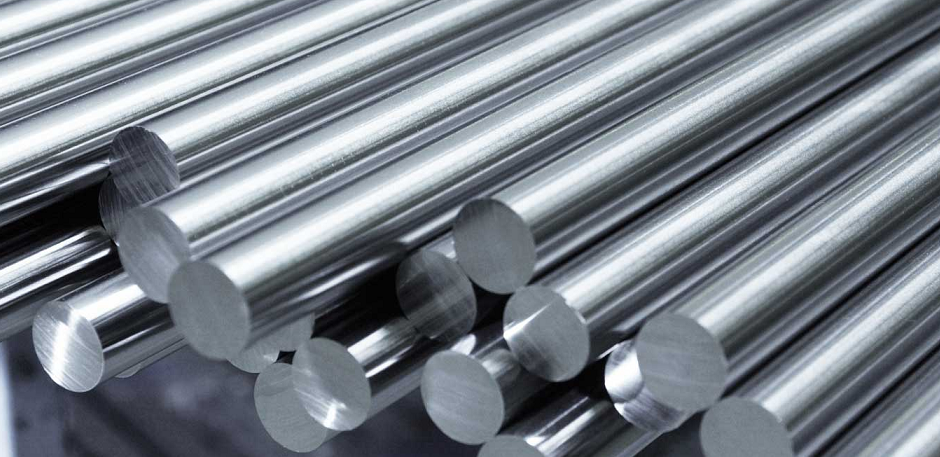
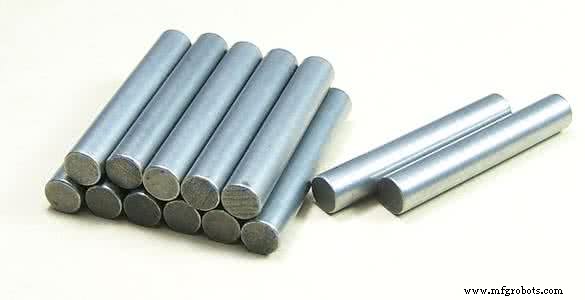
Molybdenum is a silvery‑white metal that, while lighter than tungsten, shares a similarly high melting point of 2,620 °C and a boiling point of 5,560 °C. Its density—10.22 g cm⁻³—combined with exceptional strength, toughness, and hardness, delivers outstanding thermal conductivity, low thermal expansion, and reliable performance at extreme temperatures.
Key Industry Applications
- Ultra‑thin molybdenum coatings are used as conductive layers in thin‑film photovoltaic systems.
- Its minimal thermal expansion makes it a preferred choice for semiconductor fabrication and heat‑sink materials in electronics.
- Molybdenum crucibles enable crystal growth for LEDs and other high‑purity devices.
- In high‑temperature furnaces, molybdenum insulation screens provide effective radiation shielding.
- Glass manufacturers employ molybdenum‑based fused electrodes to produce high‑purity glass.
Conclusion
Understanding molybdenum’s unique properties helps explain its pivotal role across technology sectors. For detailed information on refractory molybdenum or to explore our product portfolio, visit Advanced Refractory Metals (ARM), headquartered in Lake Forest, California, and a global leader in high‑quality molybdenum solutions.
Metal
- How Molybdenum Wire Cuts Metal: The Science Behind Wire EDM
- Common Causes of Molybdenum Wire Breakage During Wire Cutting
- Why Platinum Holds the Title of the Most Expensive Metal
- Why Tantalum Is a Cornerstone of High‑Performance Materials
- Why Robust Maintenance Procedures Are Essential for Industrial Success
- Aluminum Foil: Conductivity, Uses, and Insulation Properties
- Which Metals Are Best for Welding? Factors, Methods, and Supplier Tips
- Why There Aren’t ‘Good’ Bots—What Makes a Bot Truly Successful
- Ensure Safety and Efficiency: The Critical Role of Wind Turbine Brakes
- Investing in Used Rental Equipment: A Smart Choice for Your Business