



Molybdenum Recovery and Utilization: Current Trends and Techniques
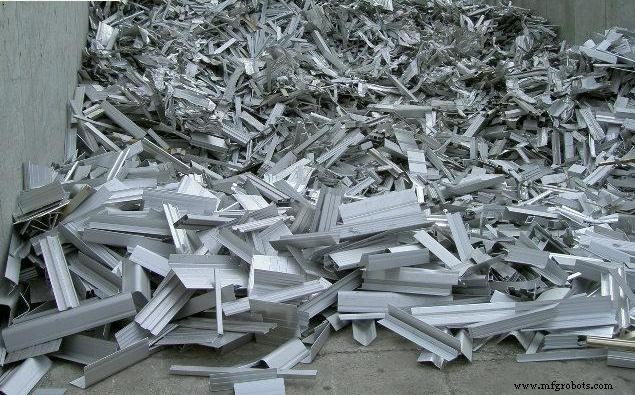
Molybdenum Recovery and Utilization: Current Trends and Techniques
The global demand for molybdenum continues to rise, driving the industry to focus on efficient resource use and environmental stewardship. Since the early 2000s, developed nations have prioritized the recovery of molybdenum from waste streams—particularly from spent catalysts—to reduce reliance on primary mining.
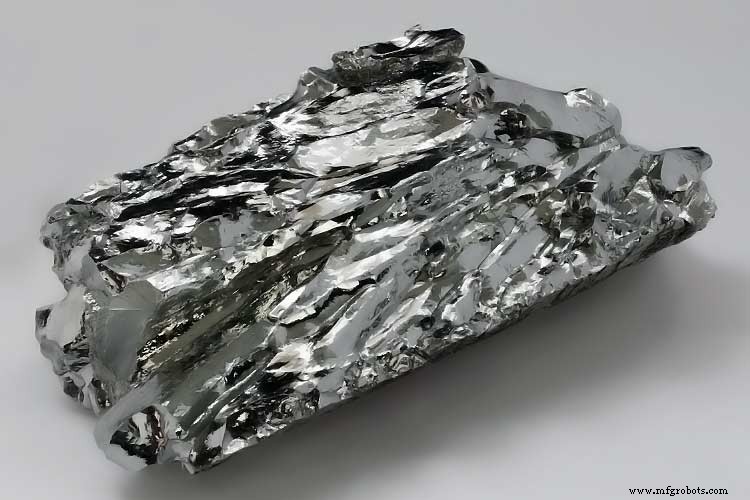
Molybdenum in waste catalysts
Recycled molybdenum often contains a higher concentration than raw ore, enabling lower extraction costs, reduced energy use, and minimal emissions. Consequently, recycling has become a cornerstone of sustainable molybdenum production.
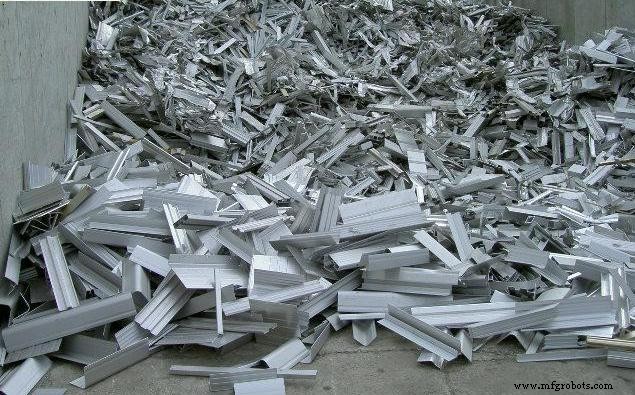
Molybdenum recycling in practice
Primary sources of recoverable molybdenum include (1) industrial waste streams—solid residues and liquid effluents—from molybdenum metallurgy, and (2) by‑products from molybdenum‑containing chemicals and alloys.
In 2011, the International Molybdenum Association reported that approximately 80,000 t of molybdenum were recovered worldwide, representing roughly 25 % of total consumption. By 2020, recovery volumes were projected at 110,000 t (≈27 % of supply), and the target for 2030 is 35 % of total supply.
About 60 % of recycled molybdenum is repurposed for stainless‑steel production; the remainder feeds alloy tool steels, superalloys, high‑speed steels, cast steels, and chemical catalysts.
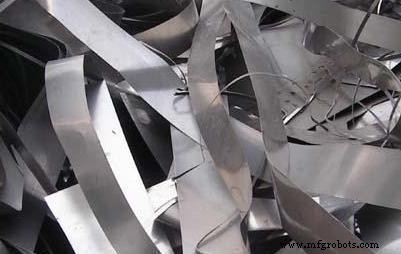
Applications of recycled molybdenum
Molybdenum Recovery Techniques
Current recycling strategies combine thermal and hydrometallurgical approaches. Key methods include:
- Sublimation – Heat molybdenum metal to produce MoO₃, which sublimes and is captured. Recovery rates reach 98 % and are ideal for powders, strips, wires, and high‑speed‑steel scrap.
- Molten Zinc Process – Treat hard alloys with zinc melting, distillation, and roasting. Typical recoveries: cobalt 97 %, molybdenum 98.4 %, tungsten 96.2 %.
- Oxidation‑Roasting Acid Leaching – Used mainly for spent catalysts. Cobalt and molybdenum recoveries are 97 % and 95 %, respectively.
- Sodium Carbonate Roasting Leaching – Targets cobalt and nickel from catalyst waste, achieving >90 % leaching for both metals.
- Alkaline Leaching – Effective for molybdenum, nickel, and aluminum recovery from waste catalysts, with rates of 96.9 %, 90.1 %, and 86.7 %, respectively.
Conclusion
Molybdenum recovery is essential for sustaining supply chains and protecting the environment. For deeper insights into molybdenum and other refractory metals, visit Advanced Refractory Metals, your trusted partner for high‑quality refractory solutions at competitive prices.
Metal
- Molybdenum Wire: Types, Properties, and Industrial Applications
- Why Molybdenum Is a Strategic Metal: Applications, History, and Global Significance
- Molybdenum Rods: Types, Applications, and Care
- Molybdenum and Its Alloys: Key Applications in Material Processing
- Molybdenum Mining & Processing: From Ore to Metal – A Technical Overview
- Molybdenum Compounds: Key Industrial Applications and Benefits
- Shocks vs. Struts: How They Keep Your Vehicle Stable
- Asset Utilization Explained: How to Measure and Maximize Returns
- Corrosion Explained: Causes, Effects, and Prevention Techniques
- Understanding Cut and Fill: Efficient Earthwork for Construction Projects