



Refractory Alloy Sintering Process – Six Key Stages & Influencing Factors
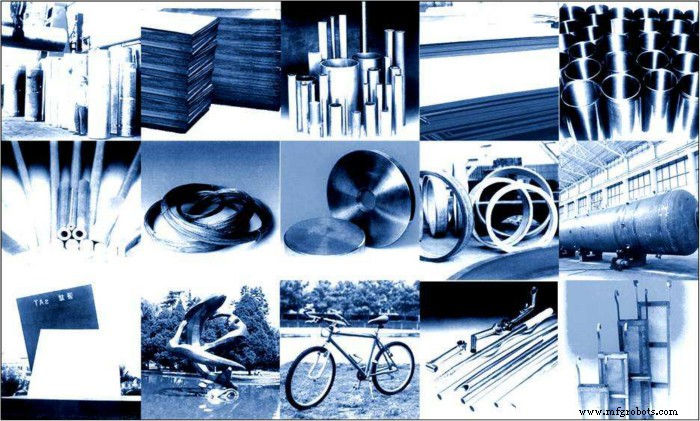
Refractory Alloy Sintering Process
Refractory alloy sintering is a controlled thermal transformation that produces dense, high‑performance components. The process is typically divided into six sequential stages, each governed by specific thermodynamic and kinetic principles.
1. Agent Removal & Burning Stage
During the initial temperature rise, binders and organic additives decompose or vaporize, leaving behind carbon residues. This carbon can reduce surface oxides of the powder, especially at high temperatures, improving the wettability of the metal particles. In the presence of a reducing atmosphere, hydrogen can further assist in removing residual oxides from cobalt and tungsten. As the binder is removed, inter‑particle contacts diminish, allowing particle diffusion, recovery, and recrystallization to begin, thereby increasing briquette strength.
2. Solid‑Phase Sintering Stage
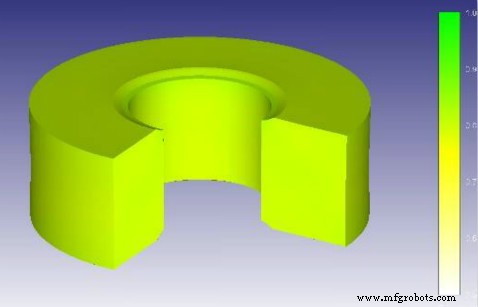
Before the alloy reaches its liquid phase temperature, solid‑state diffusion and reaction intensify. Plastic flow accelerates, leading to significant densification and dimensional shrinkage. The microstructure evolves through neck growth and pore elimination.
3. Liquid‑Phase Sintering Stage
Once the alloy enters the liquid phase, the remaining porosity collapses almost completely. Crystal growth and phase formation stabilize, establishing the alloy’s final structure.
4. Cooling Stage
Controlled cooling determines the final microstructure and phase balance. Rapid quenching can trap high‑temperature phases, whereas slow cooling promotes equilibrium phases, enhancing mechanical properties.
5. Infiltration
Infiltration describes the ability of the molten alloy to penetrate the solid particle network. Full wetting reduces residual porosity; incomplete wetting leads to defects and reduced density. Infiltration efficiency is critical for achieving near‑full densification.
6. Shrinkage
Sintered compacts exhibit three distinct shrinkage stages:
- Below 1150 °C – minor shrinkage, driven by solid‑state diffusion.
- 1150–1200 °C – pronounced shrinkage (~80 % of total), as plastic flow dominates.
- Above 1200 °C – final densification during liquid‑phase sintering.
Factors Influencing Shrinkage
- Heating Rate – Rapid heating increases porosity and gas entrapment; a moderate rate (~5 °C/min) yields uniform shrinkage.
- Initial Porosity – Lower briquette density leads to higher shrinkage; dense compacts mitigate pore growth during sintering.
- Particle Size & Grinding – Finer powders enhance diffusion and reduce pore size, improving densification.
- Cobalt Content – Higher cobalt promotes plastic flow and second‑stage shrinkage.
- Carbon Content – Excess carbon lowers the liquid‑phase onset temperature and boosts overall shrinkage.
Conclusion
Understanding each sintering stage and its influencing factors enables the production of refractory alloys with superior density, strength, and thermal stability. For more insights into advanced refractory metals and high‑quality materials, visit Advanced Refractory Metals.
Metal
- Tungsten–Nickel–Iron Alloy Production: From Powder Blend to Final Sintering
- Titanium Alloy Superplastic Forming: Process, Applications, and Benefits
- Powder Metallurgy: From Powder Production to Final Products – A Comprehensive Process Overview
- Refractory Metal Materials: Current Applications and Key Alloy Innovations
- Sintering of Refractory Metal Powders: Processes, Classifications, and Performance Outcomes
- Direct Metal Laser Sintering: A Professional Guide to Metal 3D Printing
- Advanced Technologies to Enhance Iron Ore Sintering Efficiency
- Comprehensive Guide to Manufacturing Shaped Refractories
- Revolutionary Cold Sintering Cuts Energy Use and Material Waste
- Alloy 31 Stainless Steel Plate – Superior Strength & Ductility for Extreme Environments