



Tungsten–Nickel–Iron Alloy Production: From Powder Blend to Final Sintering
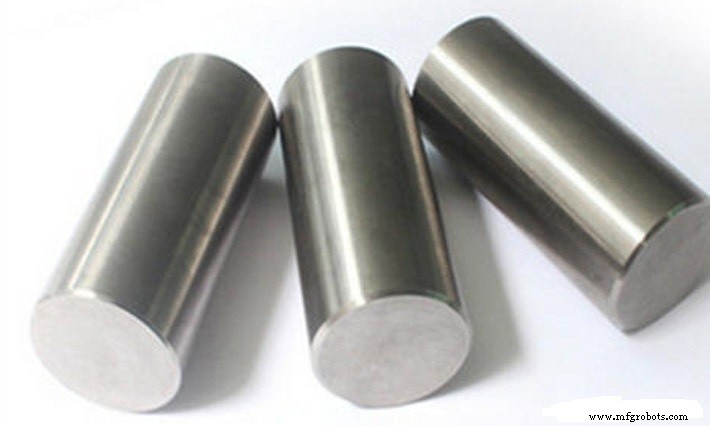
Tungsten–Nickel–Iron Alloy Production Process
Tungsten‑nickel‑iron alloy is a high‑density composite containing 90–98 % tungsten, supplemented with nickel, iron, copper, or other elements. Its specific gravity typically ranges from 17.0 to 18.5. The alloy is prized for its high sintering density, excellent mechanical strength, moderate ferromagnetism, good plasticity and machinability, superior thermal and electrical conductivity, and outstanding γ‑ray and X‑ray shielding properties. This article outlines the precise manufacturing workflow that delivers these performance attributes.
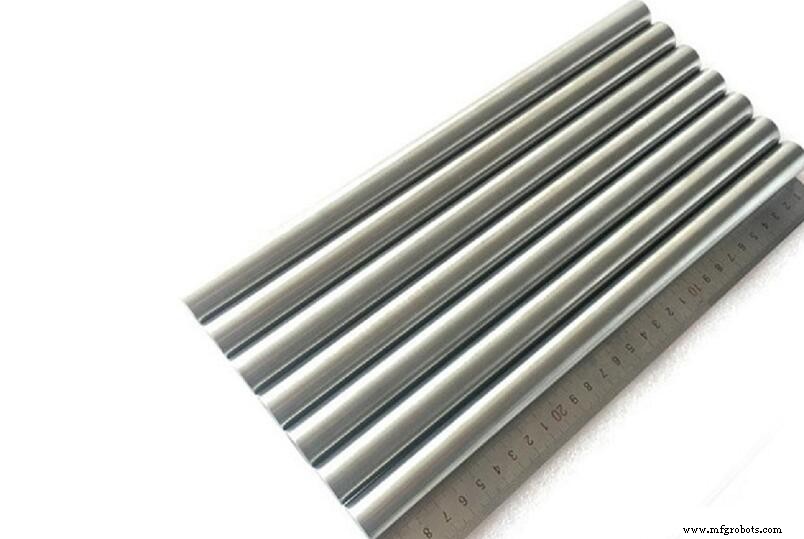
Production Process of Tungsten‑Nickel‑Iron Alloy
Step‑by‑Step Overview:
1. Powder Mixing: Accurate weights of tungsten, nickel, and iron powders are combined in a reactor. After thorough blending, a resin binder is added at the calculated proportion. The mixture is heated to 180 °C, allowing the binder to become a viscous fluid that uniformly coats the powders, creating a homogenous paste.
2. Extrusion Molding: The reactor’s output is routed to an extruder, which is fitted with the desired mold. The extrusion die is maintained at 100 °C while the extruder operates at 180 °C. Pellets are forced through the die, shaped into the target geometry, and immediately removed for the debinding stage.
3. Debinding: The green parts are placed on an alumina ceramic plate and transferred to a catalytic degreasing furnace. Operating parameters are: 110 °C, nitrogen flow of 25 L/min, oxalic acid at 2 g/min, and a 4‑hour catalysis period. Successful debinding is confirmed by a weight loss of at least 7.2 %.
4. Sintering: Debound components are loaded into a controlled‑atmosphere furnace. Temperature is ramped through multiple stages, with precise hold times at each plateau. Hydrogen is injected to maintain the internal pressure and reduce oxidation. Upon reaching the target temperature, the alloy is held to achieve full densification, then rapidly cooled (forced cooling) to lock in microstructure.
5. Quality Assurance: Post‑sintered parts are weighed and their density measured with a precision density meter. Qualified pieces undergo ultrasonic cleaning, drying, and polishing. Surface inspection checks for defects or scratches. Any out‑of‑spec parts are recorded, re‑processed, or scrapped to maximize material utilization and minimize waste.
This method consistently yields tungsten‑nickel‑iron alloys with superior strength, hardness, and toughness compared to conventional routes.
Conclusion
We hope this detailed overview of the tungsten‑nickel‑iron alloy production process enhances your understanding of advanced refractory metal manufacturing. For further insights into refractory metals and alloys, visit Advanced Refractory Metals (ARM), a leading global supplier based in Lake Forest, California. ARM delivers high‑quality tungsten, molybdenum, tantalum, rhenium, titanium, and zirconium at competitive prices.
Metal
- Tungsten Alloy Wafers: Applications, Benefits, and Industrial Uses
- Tungsten‑Nickel‑Iron Alloys: Key Applications in Modern Industry
- Tungsten Copper Alloy vs Tungsten Nickel‑Iron Alloy: A Technical Comparison
- Premium Tungsten Alloy Fishing Sinkers: Advanced Design & Performance
- Tungsten‑Nickel‑Copper Alloy Shield: Advanced Lead‑Free Radiation Protection
- Tungsten–Nickel–Iron Alloys: Properties, Applications, and Processing
- Tungsten‑Molybdenum‑Iron Alloys: Enhancing Steel Strength and Production Efficiency
- Tungsten–Nickel–Copper Alloys: Key Properties & Industry Applications
- FINEX Process: Advanced Liquid Iron Production Using Iron Ore Fines & Non-Coking Coal
- The Corex Process: A Cleaner, Cost‑Effective Alternative to Traditional Ironmaking