



High‑Gravity Tungsten Alloy Counterweights: Sustainable, Durable Solutions for Heavy‑Duty Cranes
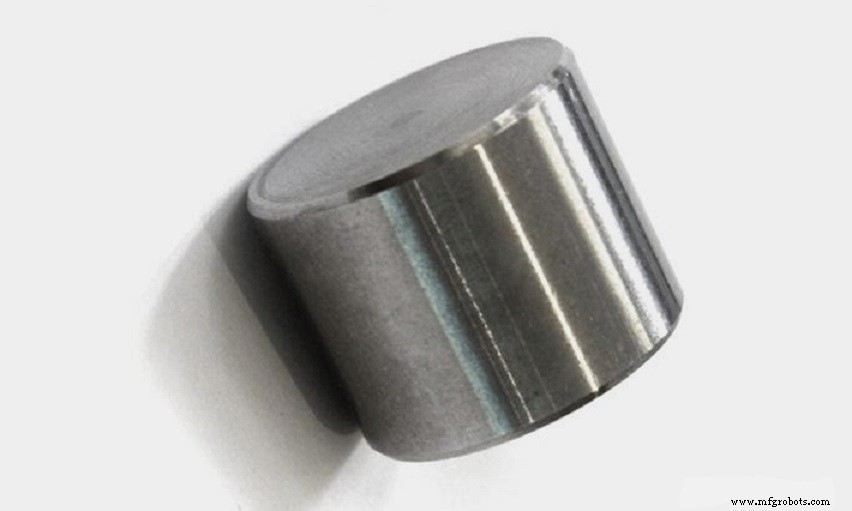
High‑Gravity Tungsten Alloy Counterweights: Sustainable, Durable Solutions for Heavy‑Duty Cranes
Tungsten alloy counterweights have become the material of choice for modern cranes because they combine a remarkably high density (≈19.3 g/cm³) with exceptional corrosion and oxidation resistance. This translates into longer service life, reduced maintenance, and a smaller footprint compared with traditional lead or iron blocks, all while minimizing environmental impact.
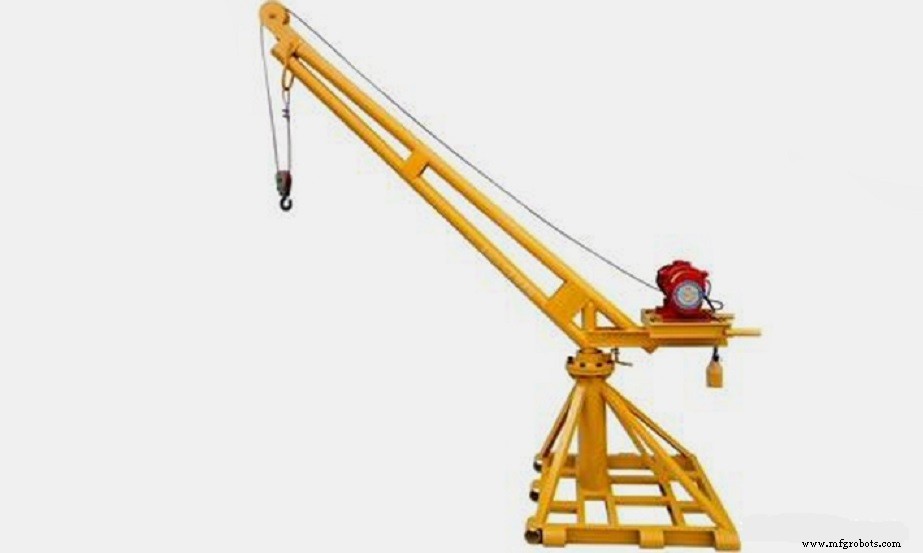
High‑gravity tungsten alloy counterweight for cranes
Crane systems—used in shipyards, heavy‑equipment manufacturing, and tooling—consist primarily of a power unit and a lifting bracket. Understanding how these components work helps appreciate why a high‑density counterweight is critical for safe, efficient operation.
The Working Principle of the Crane
1. Power unit: It houses a single‑phase capacitor motor, a two‑stage gear reducer, a clutch‑brake assembly, and a rope drum. The motor features a built‑in thermal switch to prevent overheating. When the clutch disengages, the rope drags quickly, and the brake controls descent speed to avoid impact. A blower can be fitted for forced cooling if required.
2. Bracket and lifting assembly: The main rod and rotating arm (screw, jack nut, vertical rod) allow a full 360° swing. A travel switch and an operator‑controlled start/stop button provide safety, preventing over‑lifting or misoperation. The pulley system lifts the support while the wire rope winds or unwinds.
Using a high‑density tungsten alloy for the counterweight offers several tangible benefits:
- Smaller, lighter blocks that deliver the same or greater mass, allowing for more compact crane designs.
- Enhanced corrosion and oxidation resistance, especially in marine or industrial atmospheres.
- Reduced environmental burden—tungsten is non‑toxic and recyclable, unlike lead.
- Extended operational life, lowering replacement frequency and total cost of ownership.
Although tungsten alloy costs more upfront than lead or iron, the lifecycle advantages often justify the investment, especially in high‑performance or environmentally sensitive applications.
Conclusion
We hope this overview clarifies the advantages of high‑gravity tungsten alloy counterweights for cranes. For more in‑depth information on tungsten and other refractory metals, visit Advanced Refractory Metals (ARM), a global leader in the supply of high‑quality tungsten, molybdenum, tantalum, rhenium, titanium, and zirconium alloys.
Metal
- High‑Performance Ti‑Al‑Nb‑Zr‑Mo Alloy for Deep Submersible Shells
- Tungsten Alloy: The Ultimate Forklift Counterweight Solution
- Tungsten‑Copper Alloy: The Engine Behind Rocket Throat Lining Performance
- Tungsten‑Copper Alloys: The High‑Performance Material for Microelectronics Packaging
- High‑Density Tungsten Alloys for Effective Gamma‑Ray Shielding
- Tungsten Alloy Weight Blocks: Enhancing Tennis Racket Performance and Safety
- Properties and Applications of Tungsten Alloy Counterweights
- Tungsten Alloy Bullets: The Eco‑Friendly, High‑Performance Alternative to Lead
- High‑Performance Tungsten‑Titanium Alloy Targets for Advanced Semiconductor Chips
- High-Density Tungsten Alloy: The Optimal Choice for Medical Radiation Shielding