



High-Density Tungsten Alloy: The Optimal Choice for Medical Radiation Shielding
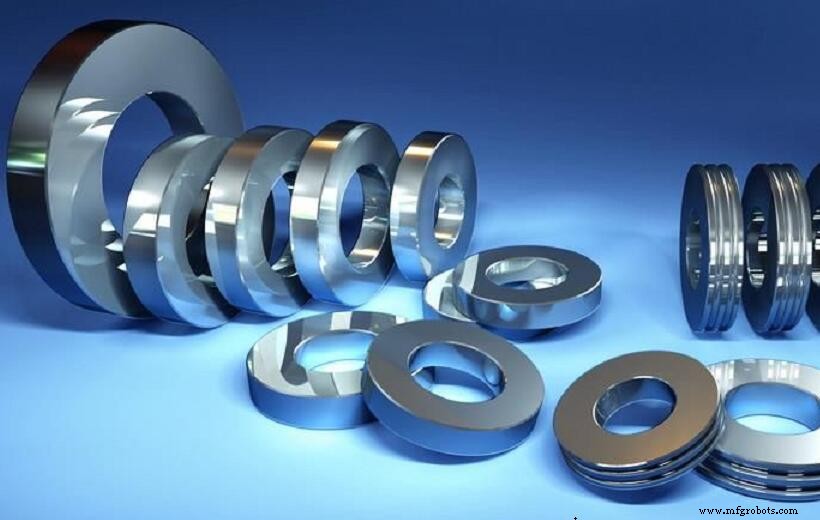
High-Density Tungsten Alloy: The Optimal Choice for Medical Radiation Shielding
With the rapid advancement of medical imaging and radiotherapy, the demand for effective radiation protection has never been higher. While lead and iron have long served as the standard shielding materials, the unique properties of high‑specific‑gravity tungsten alloy make it the superior option for safeguarding patients, clinicians, and support staff.
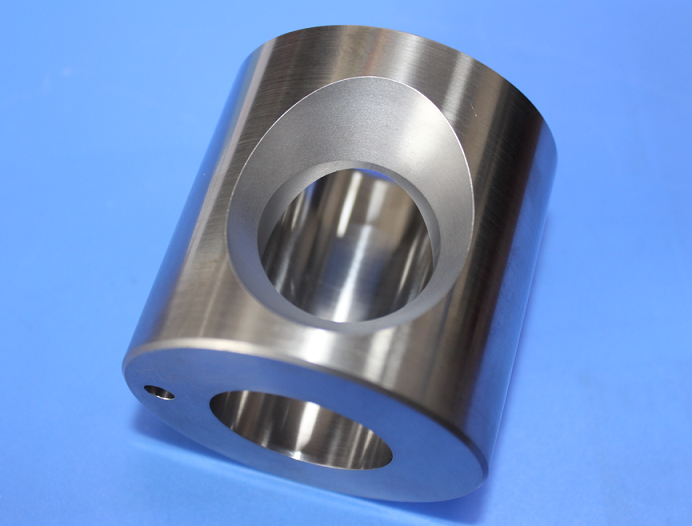
Application of High Specific Gravity Tungsten Alloy
Why Tungsten Alloy Excels as a Radiation Shield
Radiation shielding effectiveness is tightly linked to a material’s density. Tungsten alloy, with a density of approximately 19.3 g/cm³—about 60% greater than lead (11.34 g/cm³)—absorbs gamma rays far more efficiently, allowing for thinner, lighter shields without compromising protection.
- Superior Gamma‑Ray Attenuation: For a given volume, tungsten alloy offers better attenuation than lead, reducing the thickness required by up to 30%.
- High Strength & Durability: Its high tensile strength and resistance to wear enable long‑term use in demanding clinical environments.
- Excellent Corrosion Resistance: Unlike lead, tungsten alloy remains stable in the presence of moisture and chemical agents common in medical settings.
- Non‑Toxic & Environmentally Friendly: Free of heavy‑metal toxicity, it poses fewer health risks and simplifies waste disposal compared to lead and depleted uranium.
Common Applications in Healthcare
Tungsten alloy shields are widely adopted in nuclear medicine and radiation oncology for:
- Collimators: Precise beam shaping in diagnostic imaging.
- Radioisotope Containment: Secure housing for radionuclide sources.
- Radiotherapy Source Shields: Protecting staff from stray radiation during treatment.
Because tungsten alloy does not trigger NRC, EPA, or OSHA special handling requirements, facilities can implement it with minimal regulatory burden.
Conclusion
High‑specific‑gravity tungsten alloy offers unmatched performance, safety, and sustainability in medical radiation shielding. For deeper insights into tungsten alloys and other refractory metals, visit Advanced Refractory Metals (ARM).
Headquartered in Lake Forest, California, ARM is a leading global supplier of high‑quality refractory metals—including niobium, molybdenum, tantalum, rhenium, tungsten, titanium, and zirconium—at competitive prices.
Metal
- Tungsten Alloy Wafers: Applications, Benefits, and Industrial Uses
- High‑Density Tungsten Alloys for Effective Gamma‑Ray Shielding
- High‑Gravity Tungsten Alloy Counterweights: Sustainable, Durable Solutions for Heavy‑Duty Cranes
- Tungsten Alloy Weight Blocks: Enhancing Tennis Racket Performance and Safety
- Tungsten–Nickel–Copper Alloys: The Lead‑Free Solution for Advanced Medical X‑Ray Shielding
- Tungsten Alloy Applications in Industrial Radiation Shielding
- Tungsten‑Rhenium Alloys: Production Techniques and High‑Temperature Applications
- Tungsten Alloy in Modern Weaponry: Applications, Properties, and Global Resources
- Medical Tungsten Alloy Shields: Key Properties & Clinical Applications
- Tungsten: Key Properties and Industrial Applications