



Medical Tungsten Alloy Shields: Key Properties & Clinical Applications
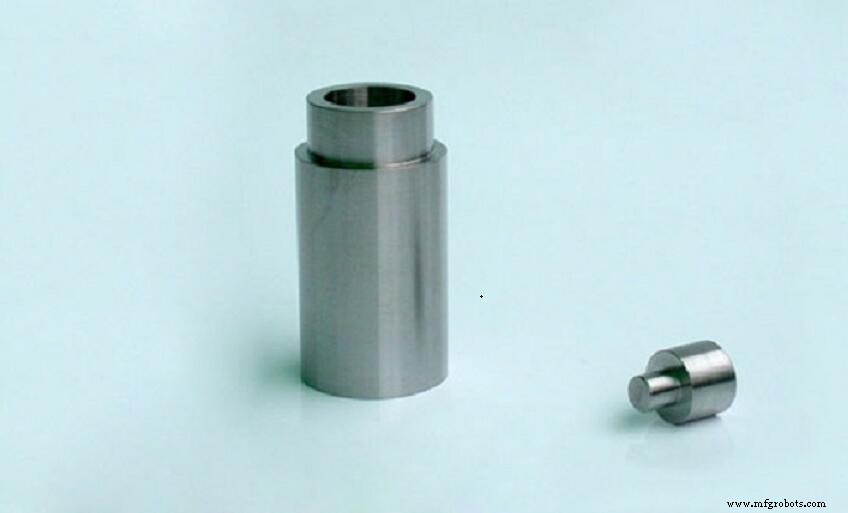
Characteristics and Uses of Medical Tungsten Alloy Shields
Tungsten alloy shields are the preferred solution for radiation protection across medical, defense, and electronics industries. In this article, we explore their essential properties and the critical roles they play in modern healthcare.
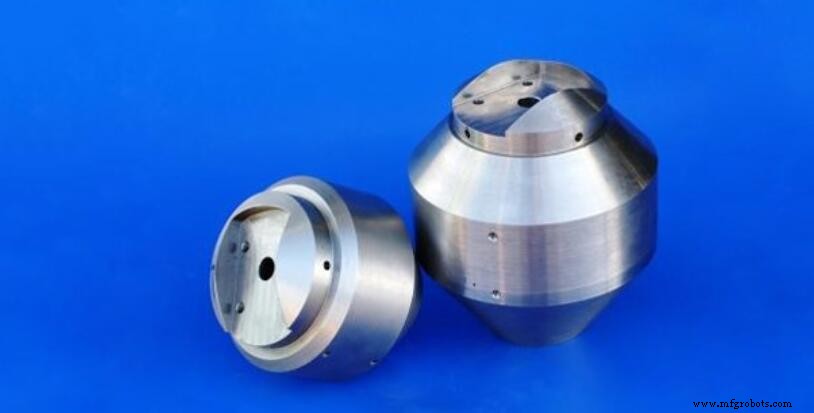
Medical Tungsten Alloy Shields
Uses of Medical Tungsten Alloy Shields
1. Radiotherapy
Radiation therapy relies on precise collimation to target tumors while sparing healthy tissue. Devices such as linear accelerators and cobalt‑60 units employ tungsten‑nickel‑iron alloy collimators, multi‑leaf collimators, and shielding blocks to shape and contain high‑energy photon and electron beams.
2. Medical Imaging
Computed tomography (CT) and other X‑ray modalities depend on tightly collimated beams. Tungsten alloy tubes, sheets, and plates absorb stray photons and gamma rays, improving image quality and reducing patient dose.
3. Radioactive Tracer Work
In nuclear medicine, handling radionuclides requires robust protection. Tungsten alloy syringe sleeves shield the operator’s arms from beta and gamma radiation during injection or isotope preparation.
Key Characteristics of Tungsten Alloy Shields
- High specific gravity: density up to 18.8 g/cm³, providing superior mass per unit volume.
- Exceptional radiation attenuation: for equal thickness, it blocks more than 1.7 times the radiation of lead, with the advantage growing at higher energies.
- Non‑toxic and environmentally friendly: unlike lead, tungsten alloys pose no health risk during manufacturing or use.
- High mechanical strength: tensile strength ranges from 700 to 1,000 MPa, enabling durable, thin‑profile shields.
- Excellent workability: good shaping, processing, and weldability simplify fabrication of complex geometries.
- Superior thermal conductivity: about five times that of conventional die steel, aiding heat dissipation in high‑dose applications.
- Low thermal expansion: coefficient of 4–6 × 10⁻⁶ /°C, reducing dimensional change under temperature fluctuations.
Conclusion
Medical tungsten alloy shields combine unparalleled shielding performance with safety, durability, and ease of manufacture. They are indispensable in radiotherapy, imaging, and radioisotope handling. For further details on tungsten and its alloys, visit Advanced Refractory Metals (ARM), a leading global supplier headquartered in Lake Forest, California, offering high‑quality refractory metals at competitive prices.
Metal
- W‑Ag Alloy: Key Properties and Industrial Applications
- Tungsten Alloy Wafers: Applications, Benefits, and Industrial Uses
- Premium Tungsten Alloy Fishing Sinkers: Advanced Design & Performance
- Properties and Applications of Tungsten Alloy Counterweights
- Tungsten Alloy Balls: Properties, Production, and Key Applications
- Tungsten Alloy Bullets: The Eco‑Friendly, High‑Performance Alternative to Lead
- Tungsten–Nickel–Copper Alloys: The Lead‑Free Solution for Advanced Medical X‑Ray Shielding
- Tungsten Alloy Spherical Fragments: Design, Performance, and Tactical Applications
- High-Density Tungsten Alloy: The Optimal Choice for Medical Radiation Shielding
- Unexpected Applications of Copper‑Tungsten Alloy